Krakow travel guides & articles
All 21 in-depth pieces we’ve published on Krakow — newest first.
Tours & tickets
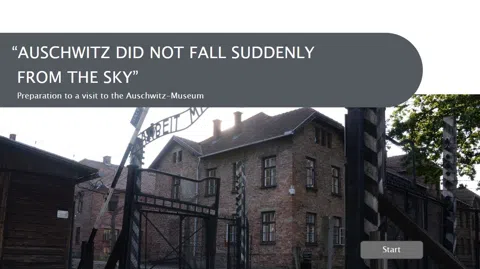
What a Day at Auschwitz-Birkenau Asks of a Krakow Visitor
How the memorial an hour west of Krakow actually works: the booking rule that turns people away, the three kilometres most day trips skip, and what the day takes out of you.
Tours & tickets
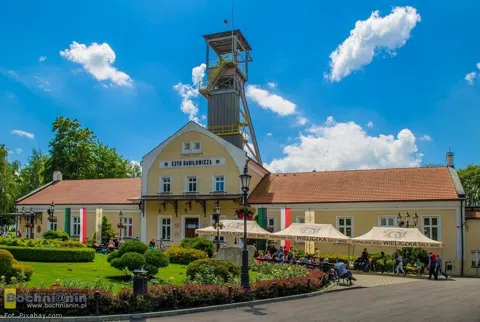
Eight Hundred Steps Under Krakow at the Wieliczka Salt Mine
What the descent to the chapel is like, why the 17°C air matters, and how to plan a day around a timed slot instead of queueing for one.
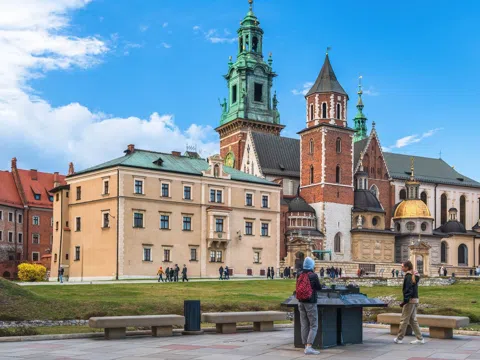
Dragons, Bones and Dead Kings on Krakow's Wawel Hill
The castle routes, the whale bones by the cathedral door and the 135 steps down to a bronze dragon that still breathes fire, in the order worth walking them.
Krakow by Candlelight on All Saints Day
How to spend 1 November 2026 in Krakow: which cemeteries to walk, what opens and when, and where to eat on the one day the city keeps for itself.
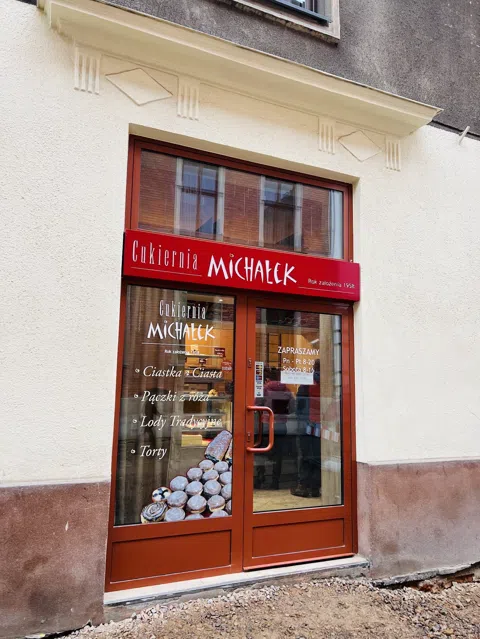
Pączki, Sernik and Kremówka in Kraków's Backstreet Cukiernie
Fifteen family workshops, sourdough bakeries and pączki counters where Kraków actually buys its cake, with hours, prices and who each one suits.
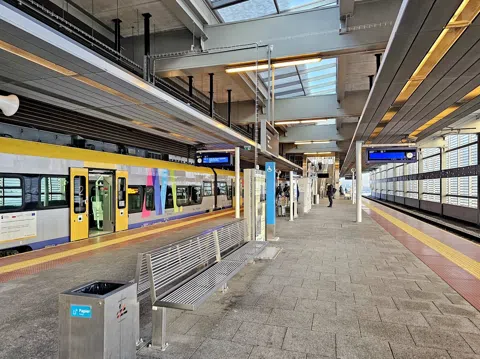
Krakow Airport to the Old Town Without the Taxi Markup
The SKA1 train does the job for 20 zloty in under half an hour, so here is the short list of arrivals where paying for a car is the sensible call rather than the lazy one.
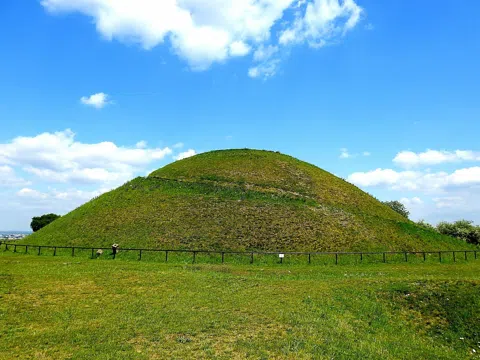
Climbing Krakow's Four Mounds for Sunrise and Sunset
Four earth mounds ring Krakow, and only one is open at the hour when the light is worth having. Here is which mound to climb, when, and where to stand instead when the gate is shut.
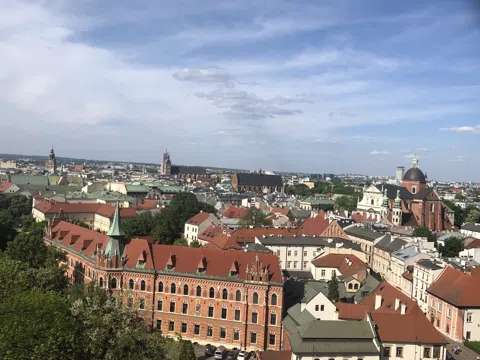
Where to Find Company in Krakow When You Arrive Alone
Hostel dinners, Friday language exchanges, a Saturday 5k and the Kazimierz bars where one person at a table is completely normal, with prices, timings and honest door notes.
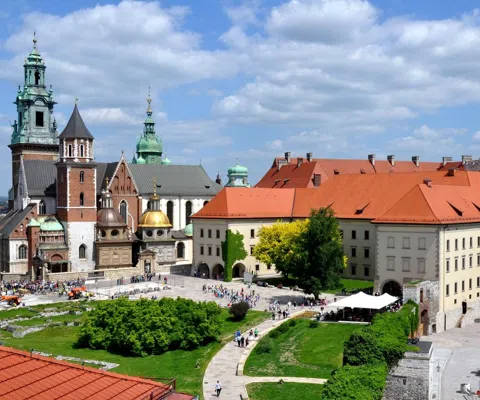
October in Krakow Before the Towers Shut for Winter
The last month Krakow works outdoors: what to climb, what to book weeks ahead, and which doors close on 31 October and stay closed until spring.
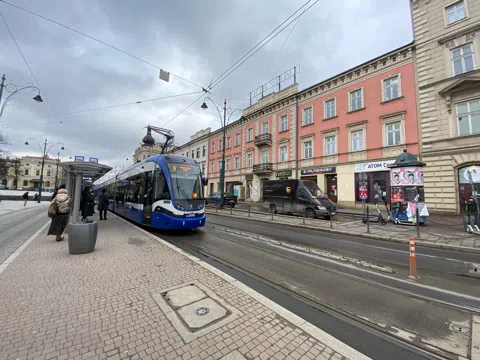
Krakow runs on trams, trains and a ten-minute walk
Trams come every five minutes, one train line serves both the airport and the salt mine, and the walk from the platform to the Main Square takes ten minutes: Krakow in 2026 is a city you can get around without a car.
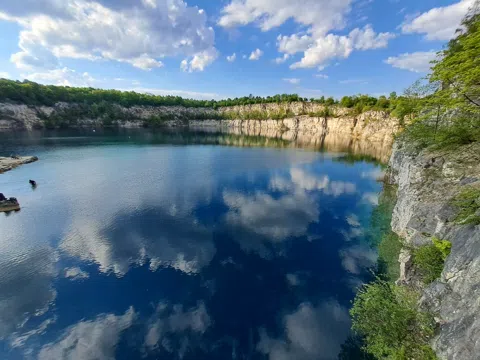
Krakow's Water Days from Zakrzówek Quarry to Tyniec Abbey
A summer route through Krakow's water: the guarded quarry at Zakrzówek, the flooded gravel pits the city actually swims in, and the paddle down the Vistula to a working Benedictine abbey.
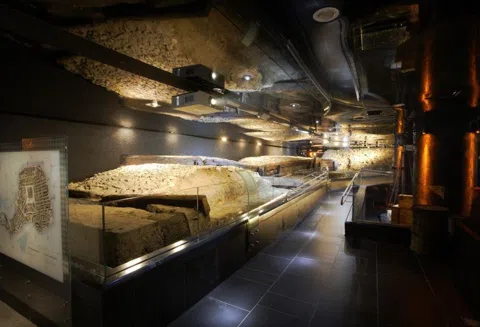
What's Actually Buried Under Krakow's Main Square
Rynek Underground is only the entry point to a whole excavated layer of medieval Krakow, from Wawel Hill's older foundations to a cellar cabaret still running the same rooms today.
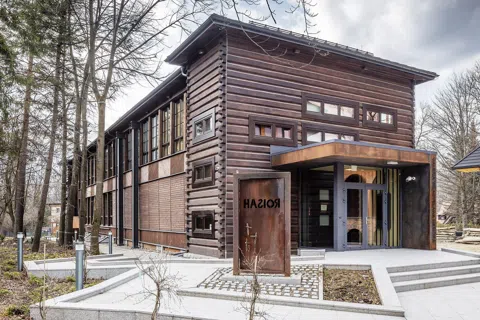
Reading Gorale Culture on a Tatra Day Trip From Krakow
The Tatra foothills beyond Zakopane hold a highland culture that designed its own architecture and still guards its own cheese. Here's how to read it properly on a day out of Krakow.
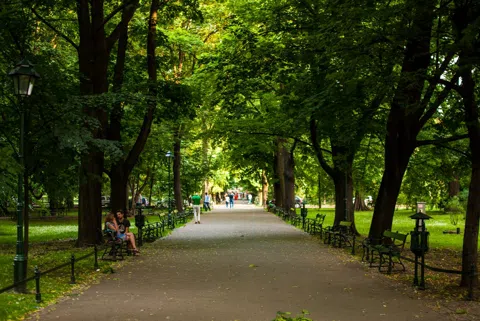
Walking Krakow's Green Ring Before the City Wakes
A sunrise circuit of the Planty park that once was Krakow's city wall, from a vicar's old parish to the empty courtyards of Wawel, before the first tour group sets off.
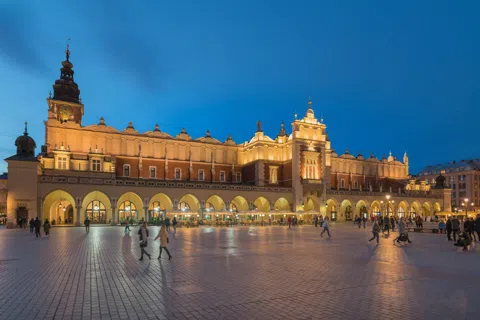
Inside the Cloth Hall: Krakow's Market That Never Quite Closes
Seven hundred years of trading under one Renaissance roof, and the restaurants, cafés and cellars around Rynek Główny that keep the night going once the amber stalls shutter.
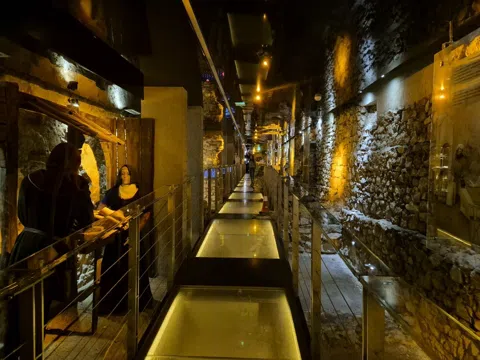
Two Days Beneath Krakow's Market Square
Krakow's Main Square hides a second city under the cobbles — this is the 48-hour route through it, floor by floor, cellar by cellar.
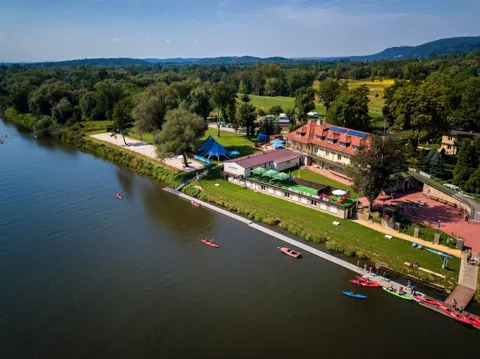
The Vistula You Don't See From the Old Town
Past Wawel's postcard side, Kraków's left bank hides kayak launches, a quarry turned swimming lake, and a green belt that locals actually use — here's how to walk and paddle it in a day.
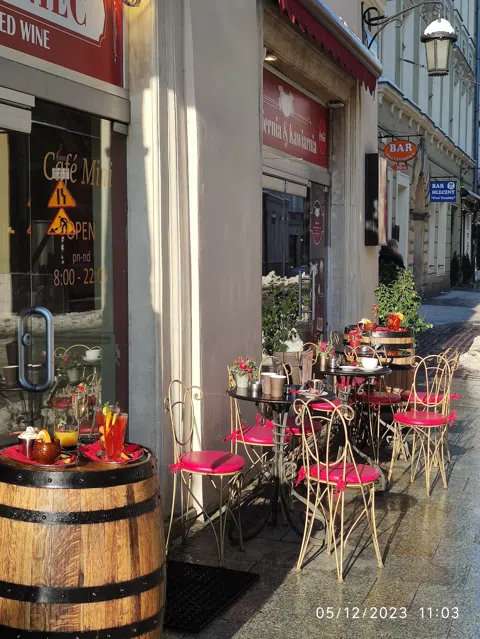
Krakow's Pierogi Trail: Milk Bars to a Michelin Plate
A dumpling trail through Krakow, from communist-era milk bar hatches to the saffron pierogi at Poland's only two-Michelin-star table.
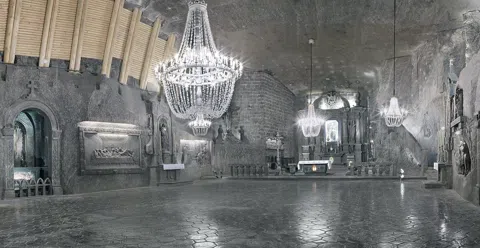
The Wieliczka Salt Mine's underground world: a subterranean chapel, lake and labyrinth
Beneath a small town outside Krakow, seven centuries of salt mining left behind a carved chapel, a brine lake denser than the Dead Sea, and 3.5km of tunnelled labyrinth — here is exactly how to see all of it in one well-planned day.
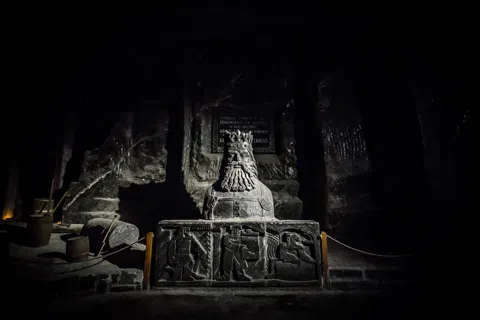
The Wieliczka Salt Mine's underground world: a subterranean chapel, lake and labyrinth carved by centuries of miners
Nine hundred metres beneath Kraków, a working mine turned into a chapel, a lake and a labyrinth of galleries carved by miners across seven centuries — here's how to see it properly, from the sold-out English slots to the underground restaurant that isn't a gimmick.
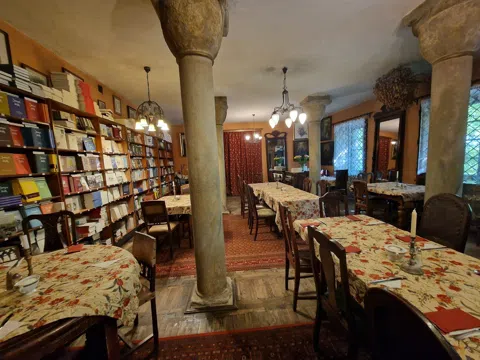
Kazimierz After Dark: How Krakow's Oldest District Became Its Youngest Heart
A calm, walkable evening through Krakow's former Jewish quarter — its synagogues, its klezmer suppers and its candlelit dive bars — told honestly, without the fairy dust.