The Krakow issue
Kazimierz After Dark: How Krakow's Oldest District Became Its Youngest Heart
A calm, walkable evening through Krakow's former Jewish quarter — its synagogues, its klezmer suppers and its candlelit dive bars — told honestly, without the fairy dust.
By Rhys LlewellynKraków on foot — sights, neighbourhoods and the slow city
Cross Ulica Starowiślna after sundown and the city changes register. Krakow's Old Town glows with an operatic self-importance; Kazimierz, a few minutes south, hums at a lower, stranger frequency — candle-flames in shopfront windows, a clarinet threading out of an open door, the smell of frying dough drifting off a floodlit square. It is the oldest district in the city and, on any given night, unmistakably its youngest heart.
Kazimierz was not always part of Krakow. It was founded in 1335 as a separate royal town and named for the king who chartered it, Kazimierz III — Casimir the Great — a monarch remembered for welcoming Jewish settlers when much of Europe was expelling them. For four centuries this was the seat of one of the most important Jewish communities on the continent, until the Second World War emptied it and the postwar decades left it to crumble. What you walk through tonight is the third act: a quarter that spent the 1990s half-derelict and squatted by artists, and has since become the place Cracovians go when the Old Town feels too polished. This guide walks you through it in the order the evening wants to unfold — history first, then supper, then the long, slow business of a drink.
Start with the stones: synagogues and the weight of the place
Do the history early, while you still have the light and the patience for it. Kazimierz makes far more sense after dark if you have spent an hour with what came before, and the sites cluster tightly enough to walk between in minutes.
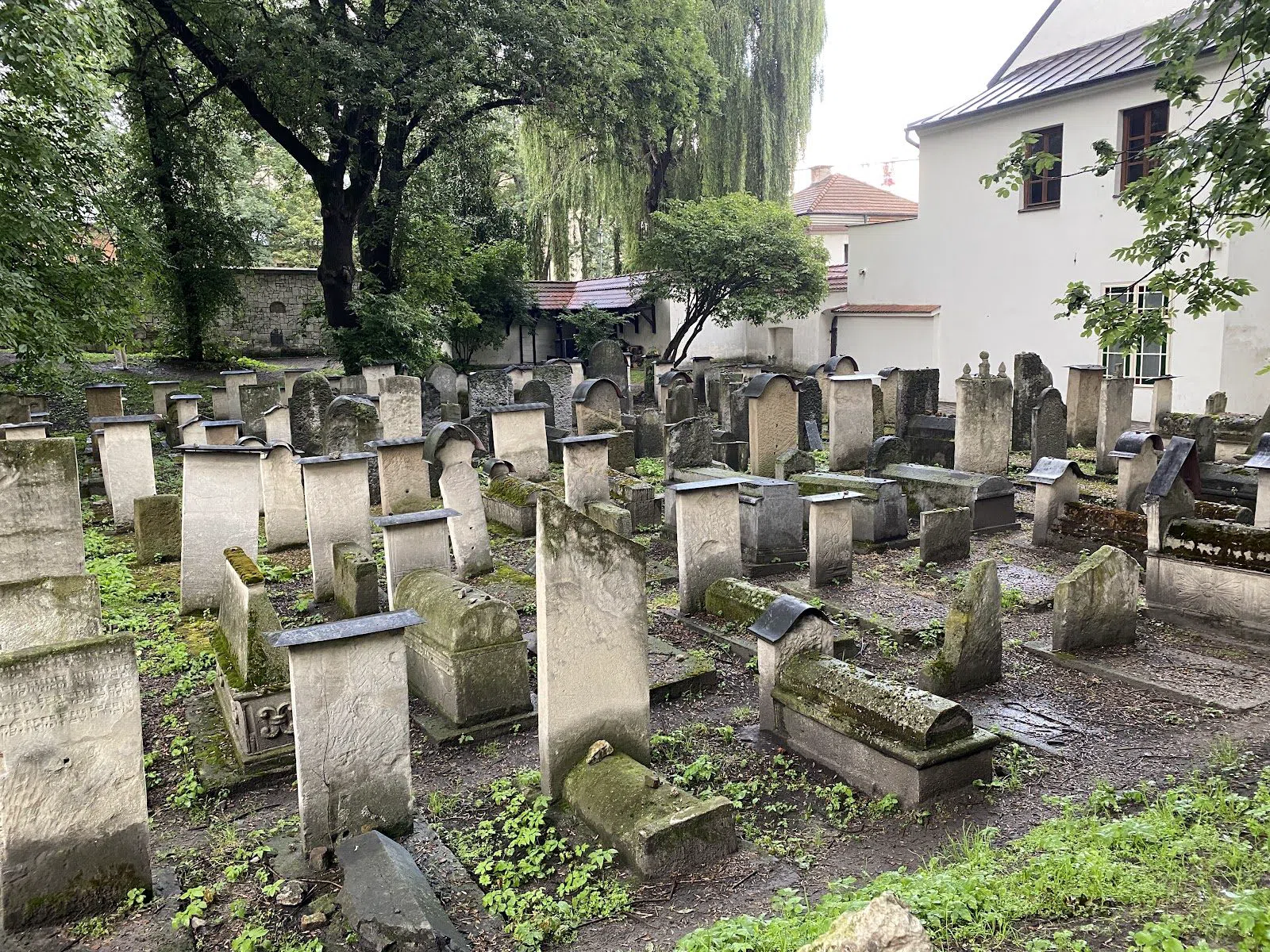
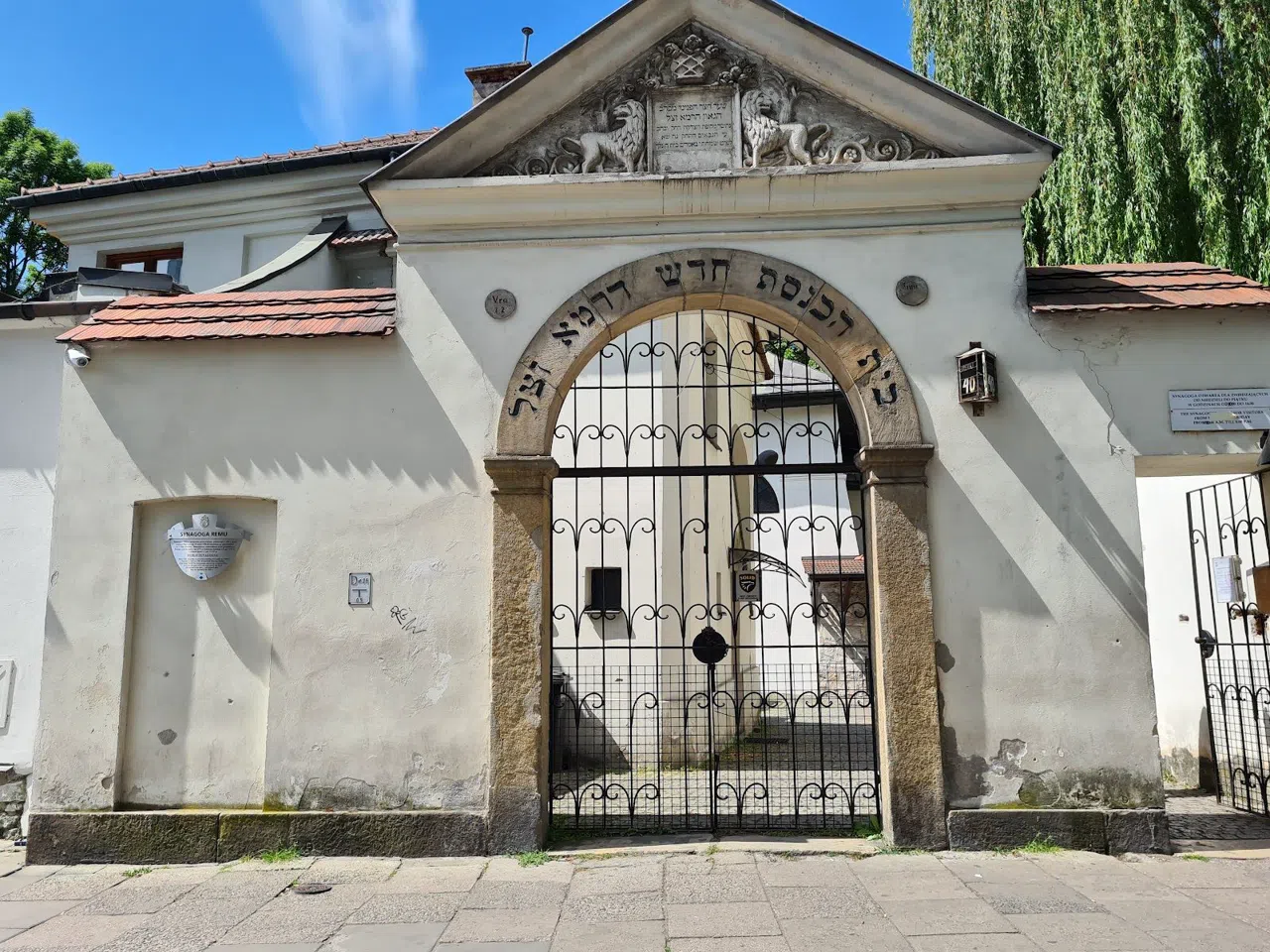
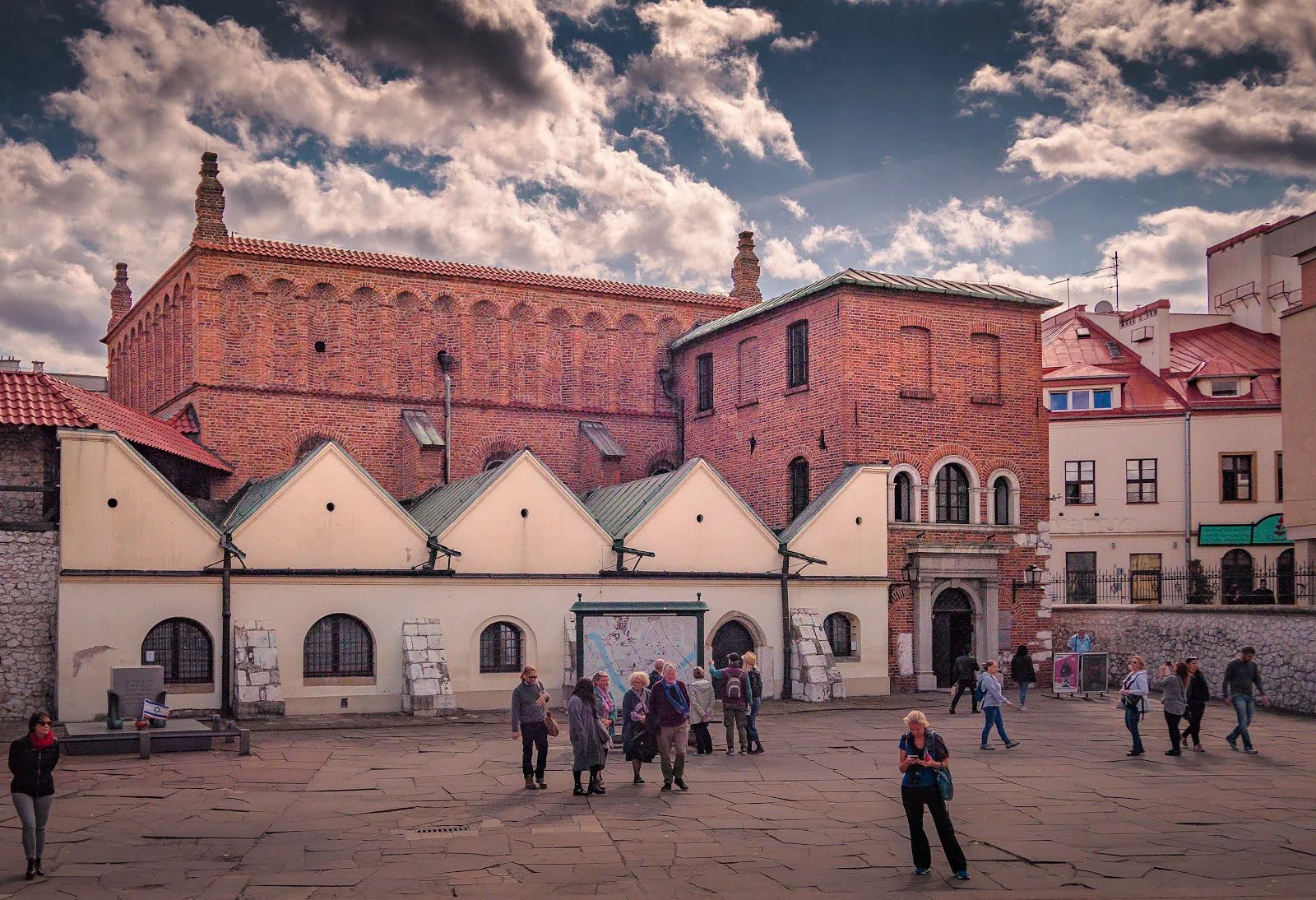
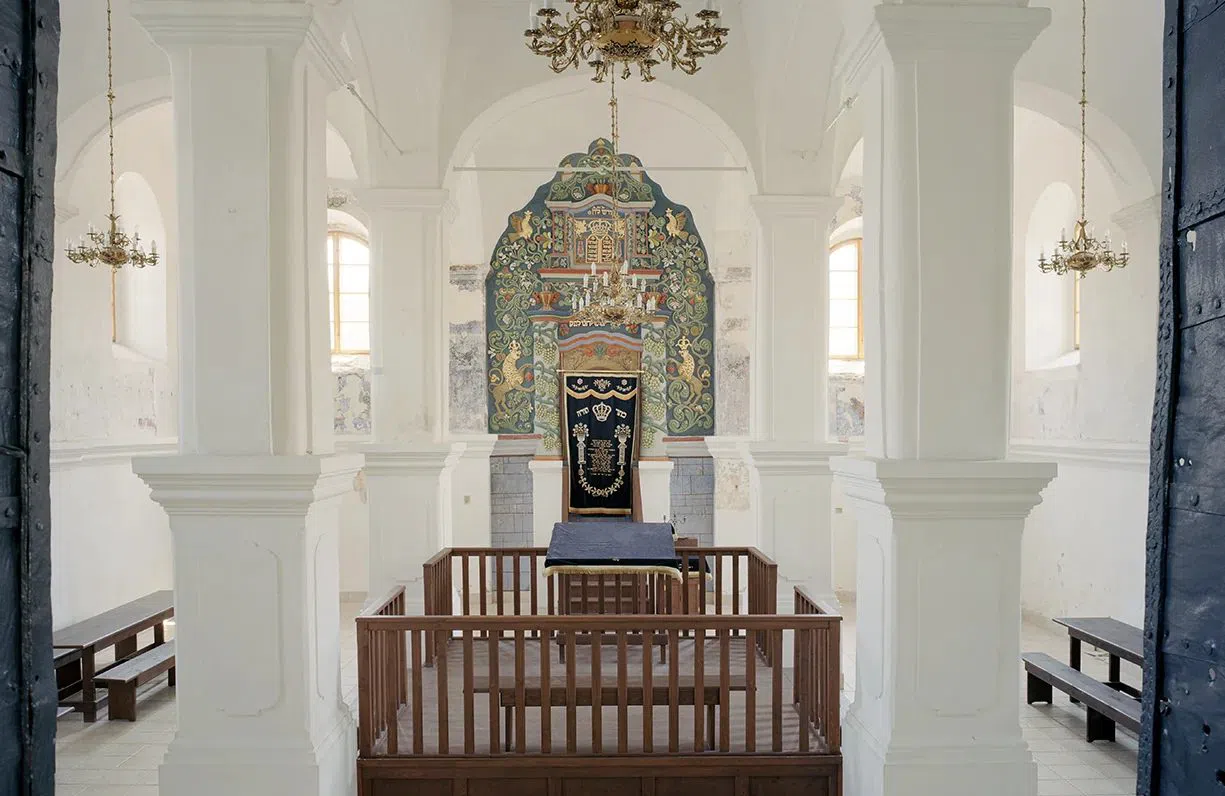
Begin on Szeroka Street at the Old Synagogue (Szeroka), the oldest surviving synagogue in Poland and now a branch of the Museum of Kraków. Entry runs about 20 PLN, tickets are timed, and guided groups move through comfortably; treat it as your orientation, the room that explains everything that follows. A short walk up the same street brings you to the Remuh Synagogue & Cemetery (Szeroka), the only synagogue in Kazimierz still in regular use — Friday-evening Shabbat services are held here — and the most atmospheric of the old cemeteries, its worn Renaissance headstones crowded close. It is a living site rather than a museum piece, so dress modestly, and men should cover their heads; admission is around 15–20 PLN and groups are admitted but ushered through briskly.
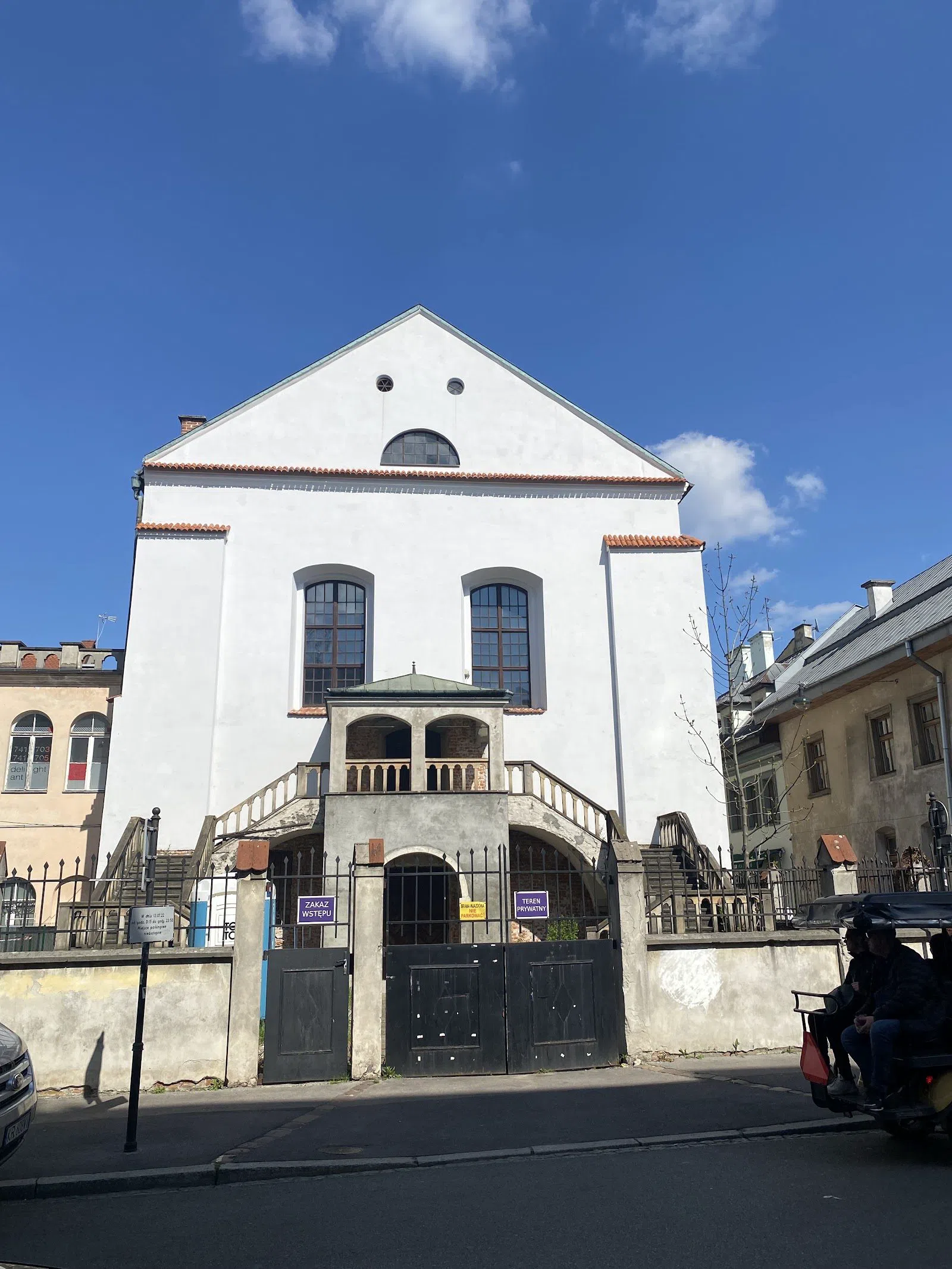
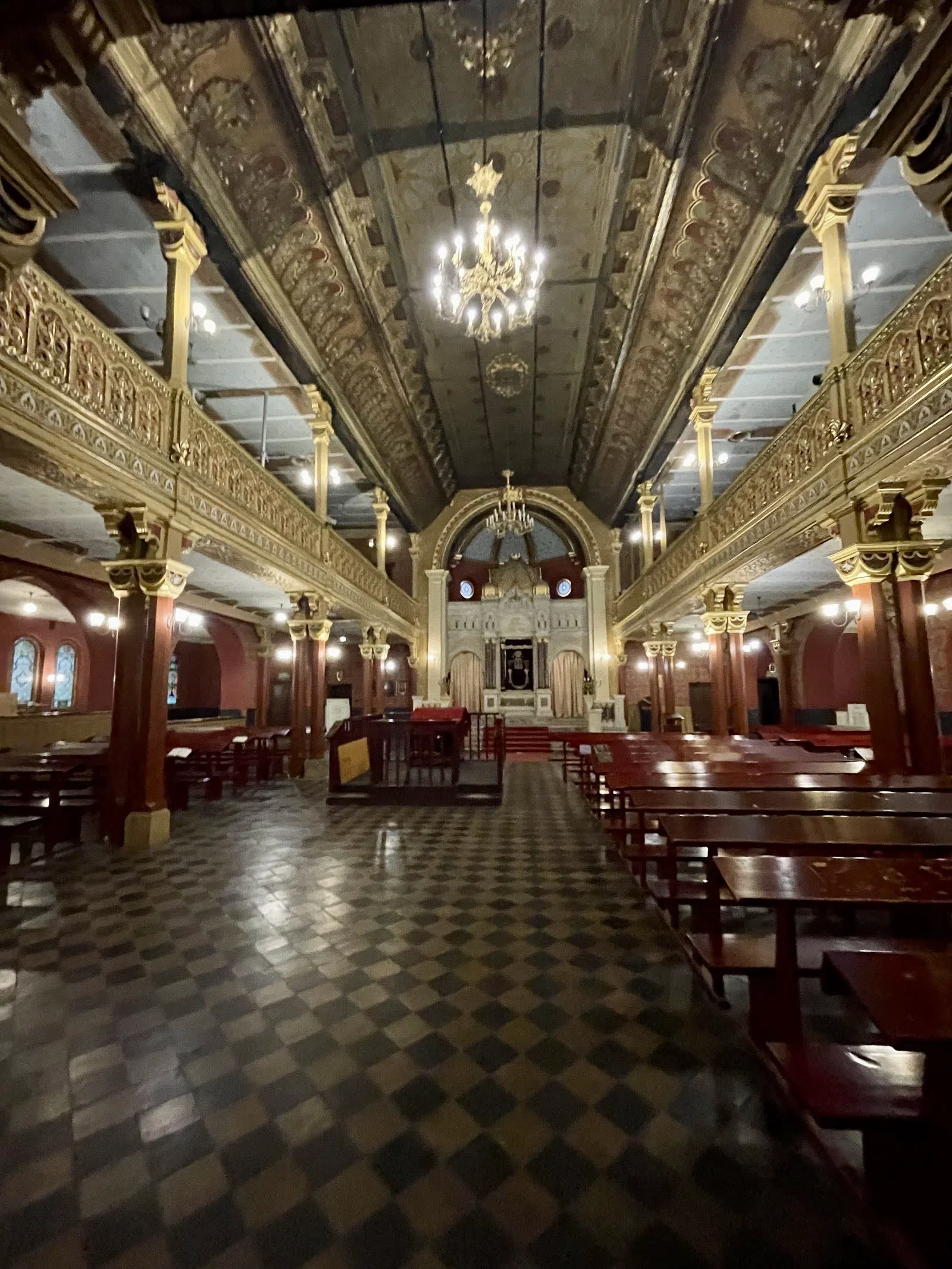
From there the route bends toward Tempel Synagogue (Miodowa), the most visually spectacular interior in the quarter — a nineteenth-century Reform synagogue whose painted and gilded walls come as a genuine shock after the plainer medieval rooms. It doubles as a concert hall for the summer Jewish Culture Festival, and at roughly 15–20 PLN it is the one to see if you only see one for its decoration. Close by, the Baroque Izaak (Isaac) Synagogue (Kupa) is grander still and, crucially for a night out, hosts regular seated klezmer concerts in the evening; a ticket is around 50–70 PLN, and the acoustics of that vaulted room make it a better live-music experience than any of the restaurant floor shows.
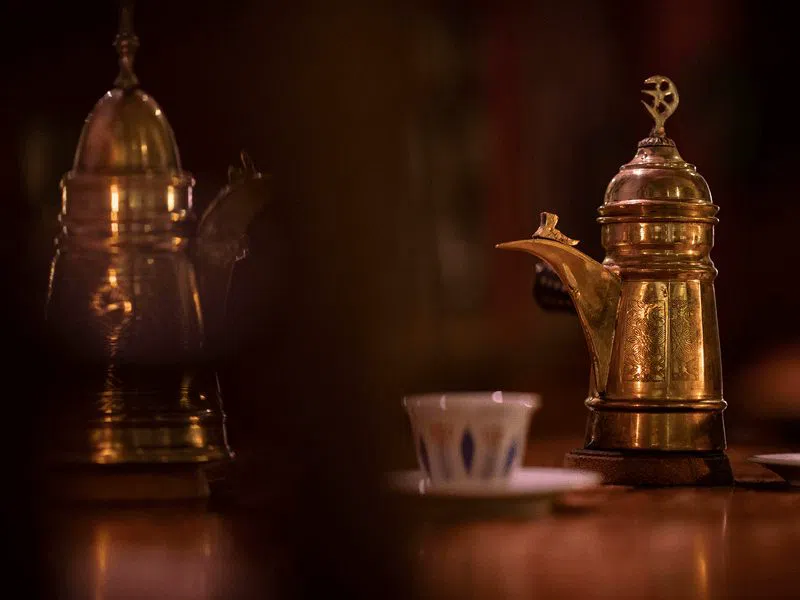
Two quieter institutions round out the history and both are worth your time. The Galicia Jewish Museum (Dajwór) is the best-curated Jewish museum in Kazimierz — a working cultural centre whose permanent photographic exhibition treats absence and survival with more feeling than any glass case of relics; it is fully wheelchair-accessible, runs guided group tours, and costs about 30 PLN. And on Józefa, Cheder Café (Józefa) is run by the Jewish Culture Festival as a year-round cultural hub: coffee for around 12–18 PLN, a wall of books, film screenings, talks and Shabbat breakfasts. It is a genuinely Jewish space rather than a themed one, and a good place to sit and let the afternoon tip over into evening — though note it is closed on Mondays.
Plan your Krakow trip
Live prices from our booking partners.
Free cancellation on many rooms. We may earn a commission when you book.
Szeroka Street and the klezmer supper
Szeroka is the wide, almost square-shaped street that was the heart of Jewish Kazimierz, and it is where the evening's first proper meal belongs. It is also, it must be said, the most touristed corner of the quarter — Steven Spielberg filmed much of Schindler's List along these streets in 1993, and the attention that followed never entirely left. That history cuts both ways: the klezmer restaurants here are unashamedly a performance, but the best of them are also decades-deep institutions that locals still rate.
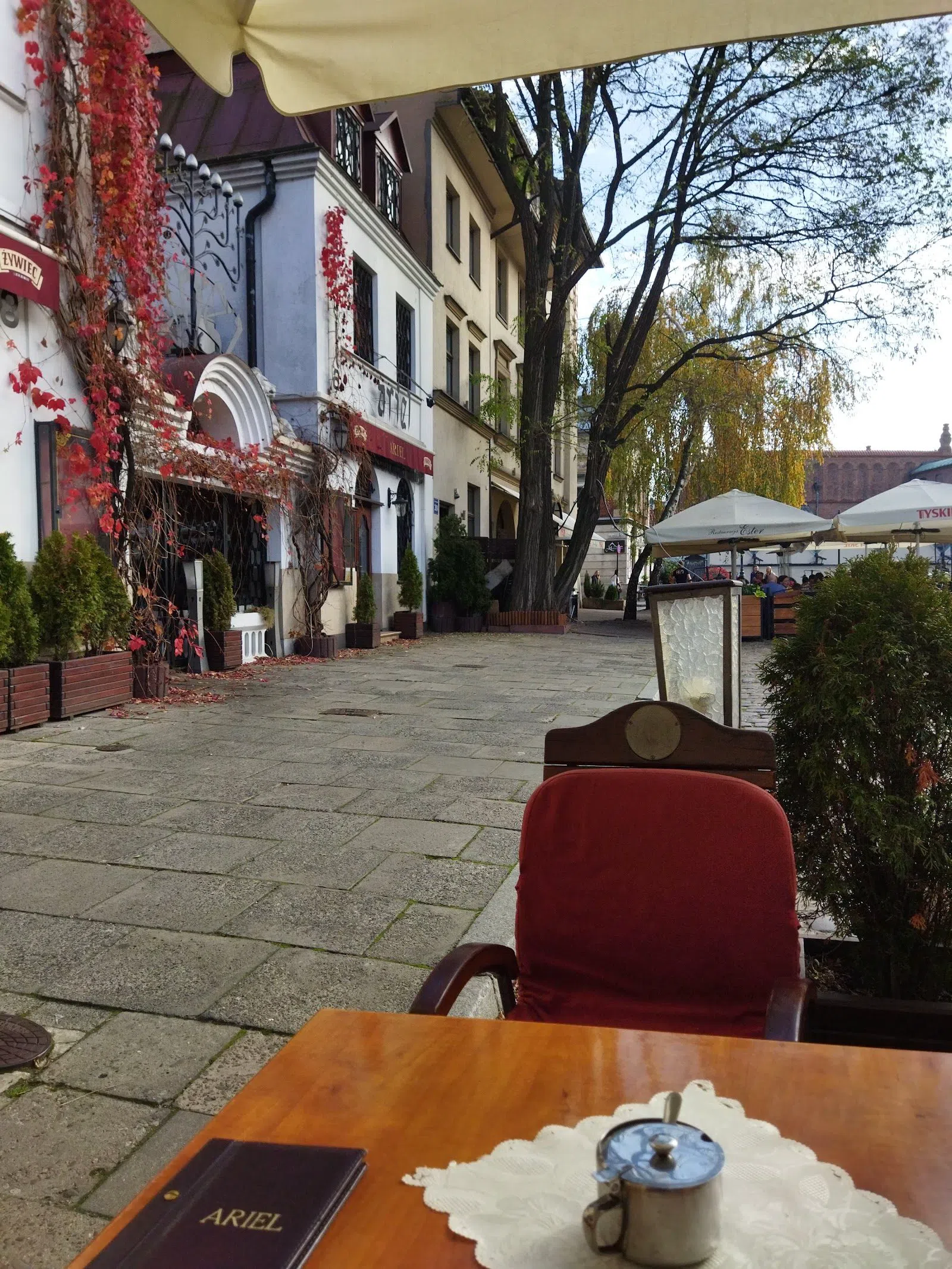
The one I send people to first is Klezmer-Hois (Szeroka), set in a former Jewish ritual bathhouse at the quiet end of the street. It is the most atmospheric of the Szeroka klezmer restaurants and the one Cracovians themselves still turn out for; nightly live music comes with dinner at no cover charge, mains sit around 50–80 PLN, and it takes groups genuinely well — large evening tables and set menus are available, but book ahead, because the klezmer nights fill. A few doors along, Ariel (Szeroka) is the grand old institution of the street, once Krakow's first private Judaic gallery. Its menu leans hard into old Galician-Jewish cooking — roast goose, stuffed goose necks, slivovitz to finish — with klezmer every night; mains run 55–90 PLN. It is frankly touristy, but it is the real, long-standing thing rather than a pastiche, and it handles larger parties with ease.
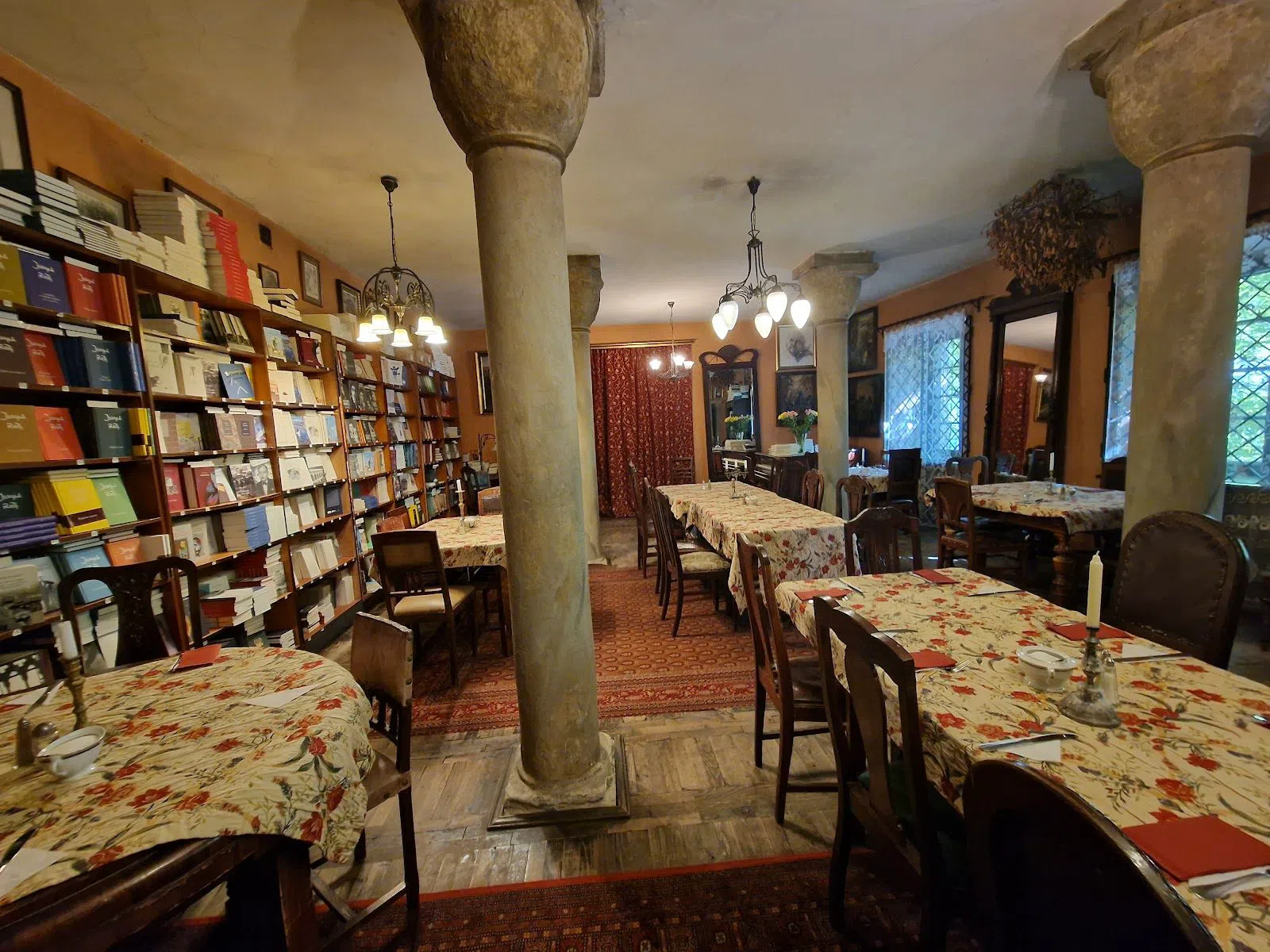
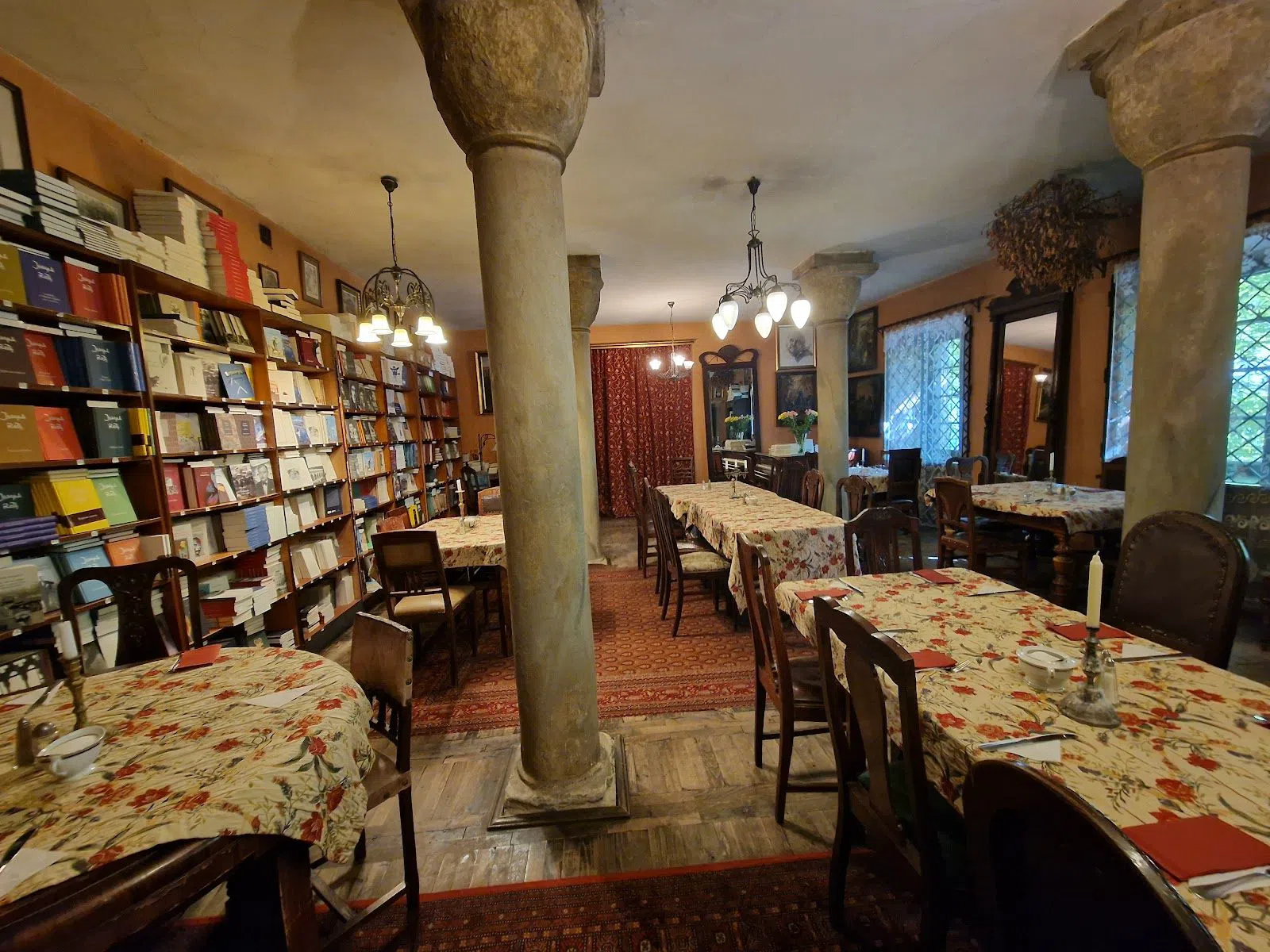
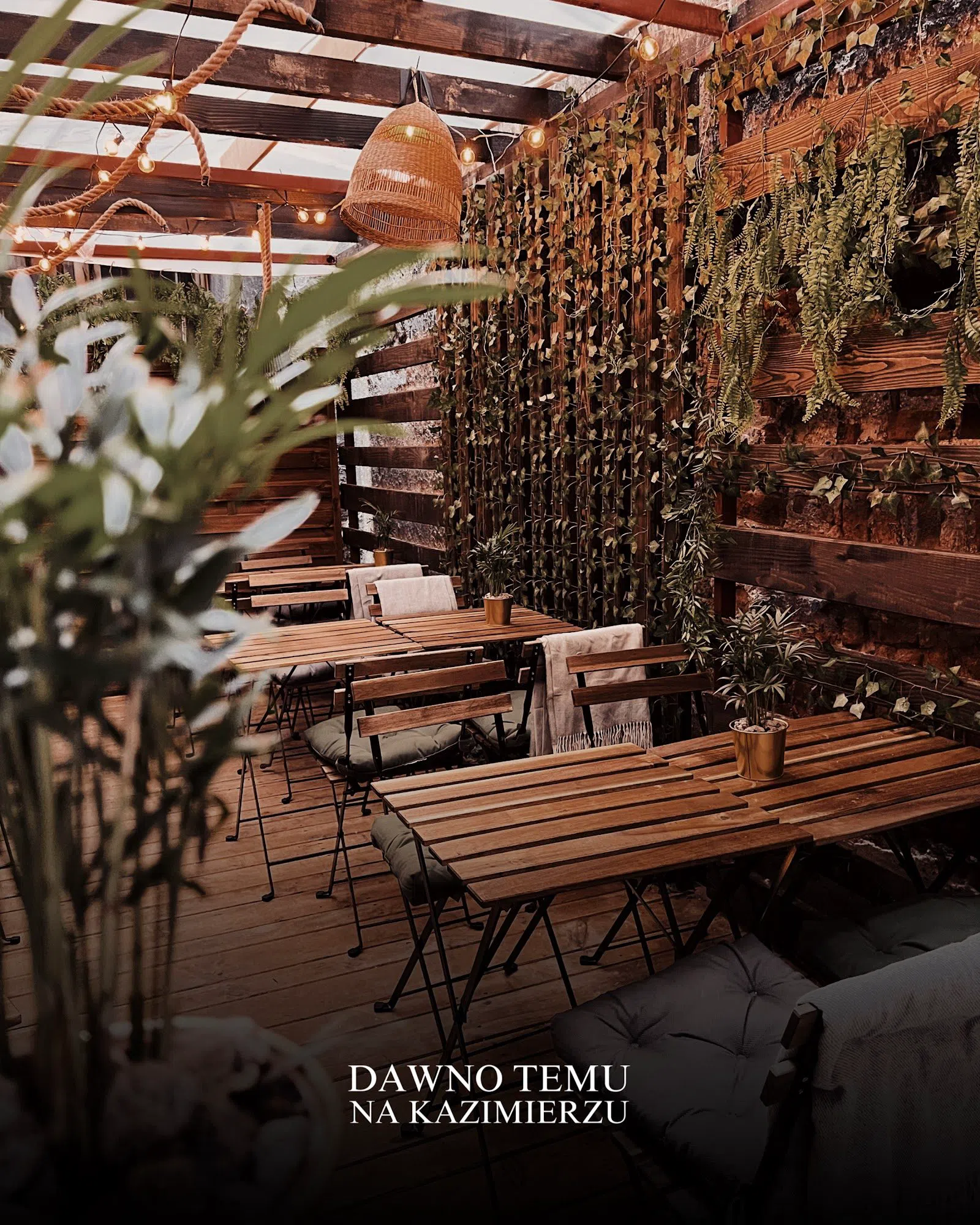
For something smaller and more idiosyncratic, Dawno Temu na Kazimierzu (Szeroka) — "Once Upon a Time in Kazimierz" — is styled as a row of pre-war Kazimierz shopfronts, sewing atelier and grocer and all, and that interior is the genuine draw and the best photograph you will take all night. I will be honest with you where the kitchen isn't: the food here is uneven, so come for the atmosphere and the live music rather than the plate. It takes groups, but the room is tight — book ahead for anything over six.
A note on how to use these places. They are, all three, most rewarding when the music is on and the room is full, which means an early booking for a big group or a later, looser seat for two. If what you actually want is the music without the supper-theatre, buy a ticket to one of those seated klezmer concerts at the Izaak Synagogue instead and eat separately — a cleaner division of pleasures, and often the better night.
The living present tense: modern Jewish cooking
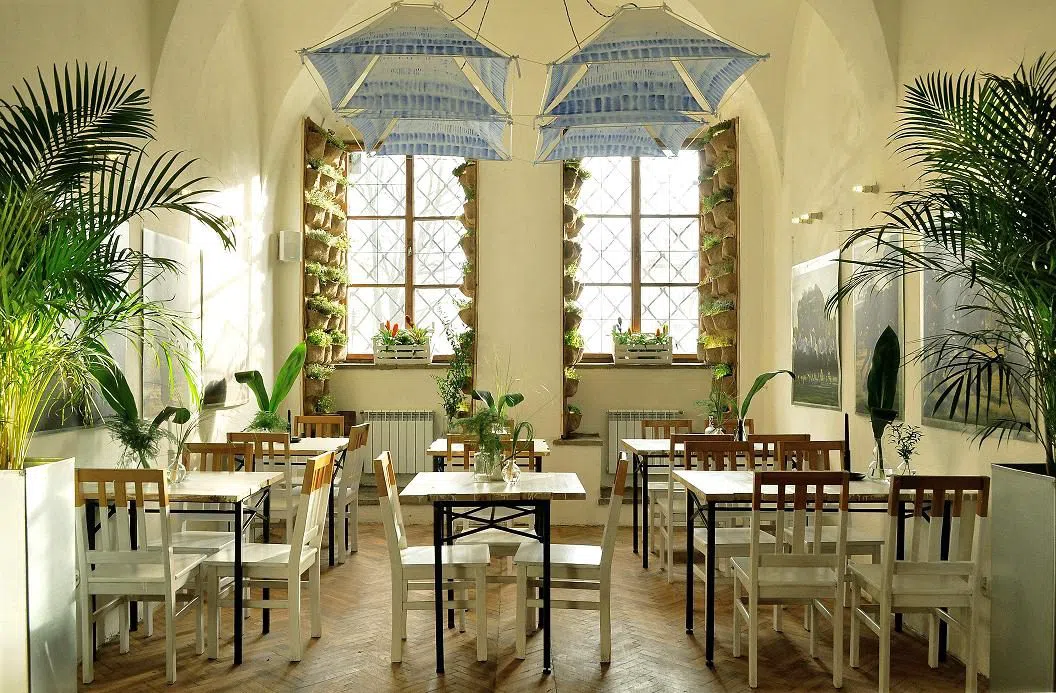
For a long time the Jewish food of Kazimierz existed only in the past tense — reconstructed, remembered, played for visitors. The corrective sits on Plac Nowy. Hamsa Hummus & Happiness (Plac Nowy) is a contemporary Israeli kitchen doing fresh, modern cooking — big shareable mezze platters, a lively terrace, hummus that tastes of this decade rather than a museum — and it gives the quarter's Jewish story a living present tense. It is very group-friendly; walk-ins and bookings both work, and mains run about 40–65 PLN. If the klezmer restaurants are the district remembering itself, Hamsa is the district still cooking, and I would build at least one evening around it.
Plac Nowy and the late-night rite
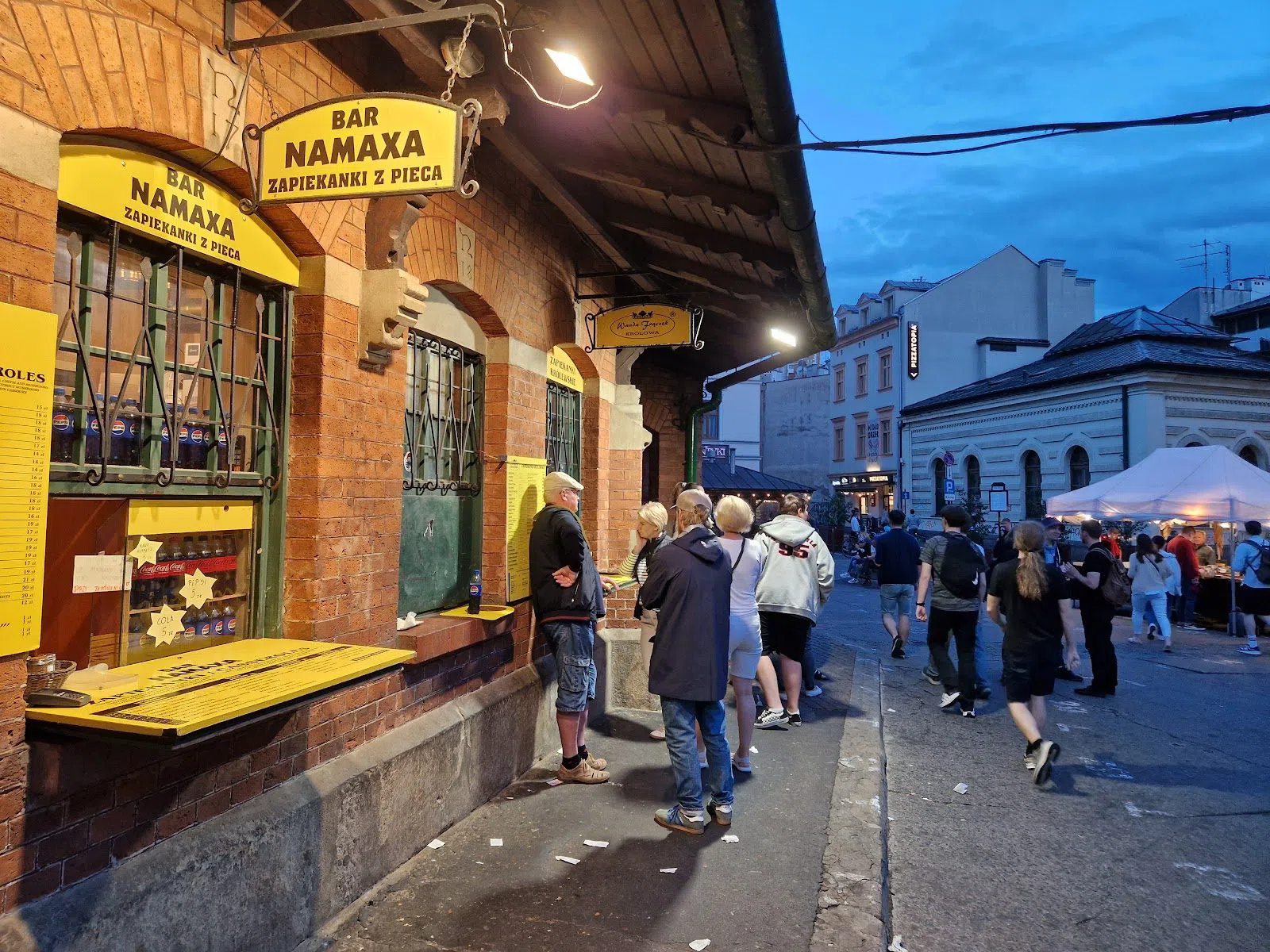
Plac Nowy is the beating square at the centre of Kazimierz, and the squat round building in its middle — the Okrąglak, built in 1900 as a kosher poultry market and slaughterhouse — is now the quarter's most democratic institution. Its hatches sell Endzior (Plac Nowy), the cult zapiekanka stall: a long toasted half-baguette heaped with mushrooms, cheese and whatever else, handed over for something like 15–25 PLN. There is no seating; you queue at the hatch and eat standing on the square, and that is precisely the point. It is a cheap, essential rite of passage, best performed late at night when the bars have filled the square with people doing exactly the same thing. One caveat worth respecting: the counter is closed on Sundays.
The bars that made the aesthetic
Here is where Kazimierz earns its reputation, and where you should give the night room to sprawl. When the district was near-derelict in the 1990s, artists moved into the empty buildings and opened bars inside them without stripping out the decay — mismatched armchairs, guttering candles, walls of foxed photographs — and in doing so invented a look that has since been photocopied across half of Europe. The originals are still here, and still better than their imitators.
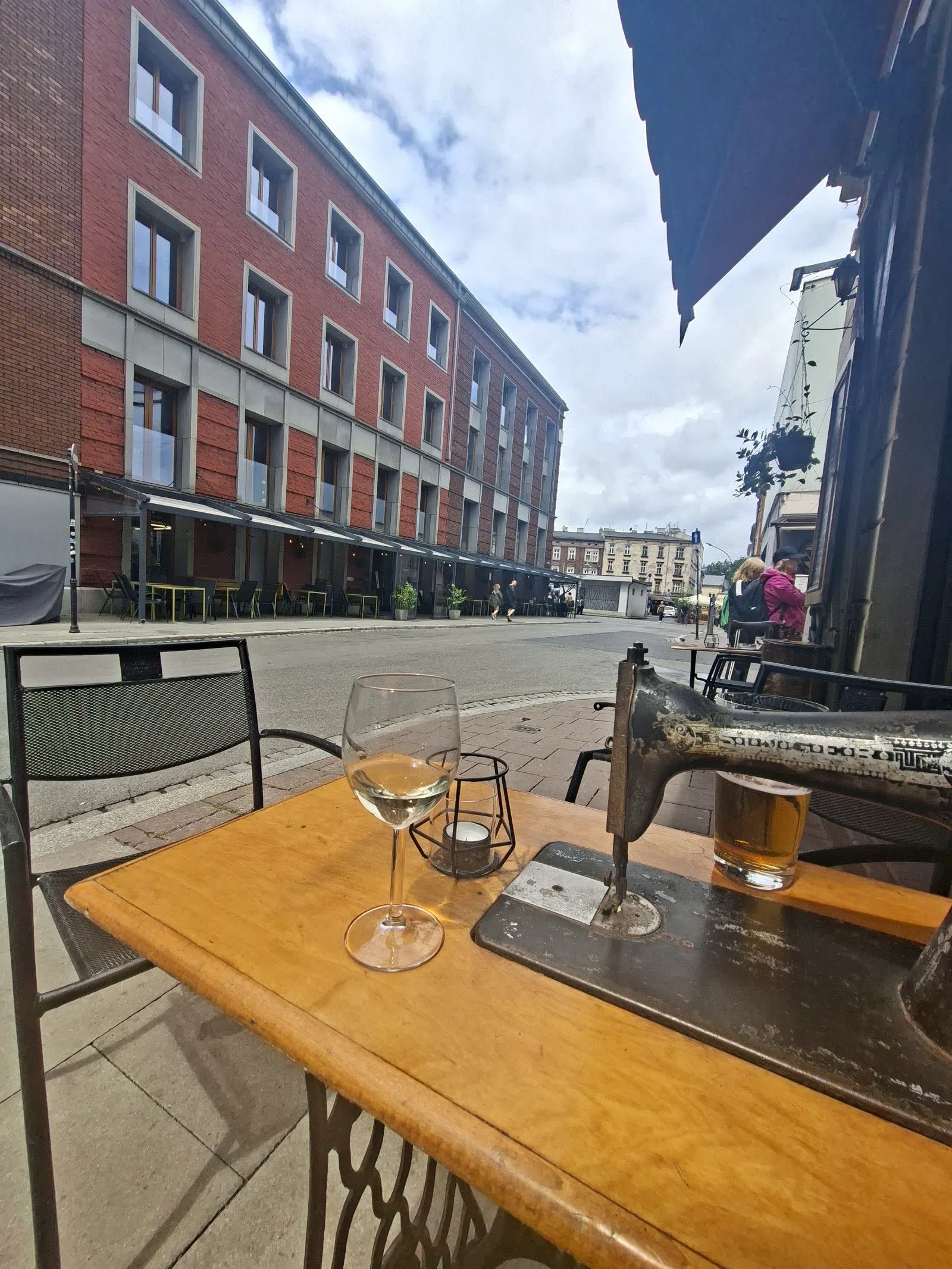
The anchor is Alchemia (Plac Nowy), the bar that defined the whole candle-and-antiques aesthetic — a sprawling warren of dim rooms that opens from dawn to late and easily absorbs a crowd, with a cellar that stages ticketed live shows. Beer runs about 15–22 PLN, and it remains, decades on, the neighbourhood's dependable centre of gravity; if you begin or end anywhere, begin or end here. Just off the square, Singer Café (Estery) is one of the original Kazimierz cafés and the literal source of the sewing-machine-table look everyone else has copied — you drink at old Singer treadle tables, and on weekends it stays open until dawn. It is small and atmospheric rather than roomy, so it suits a couple or a few far better than a large party.
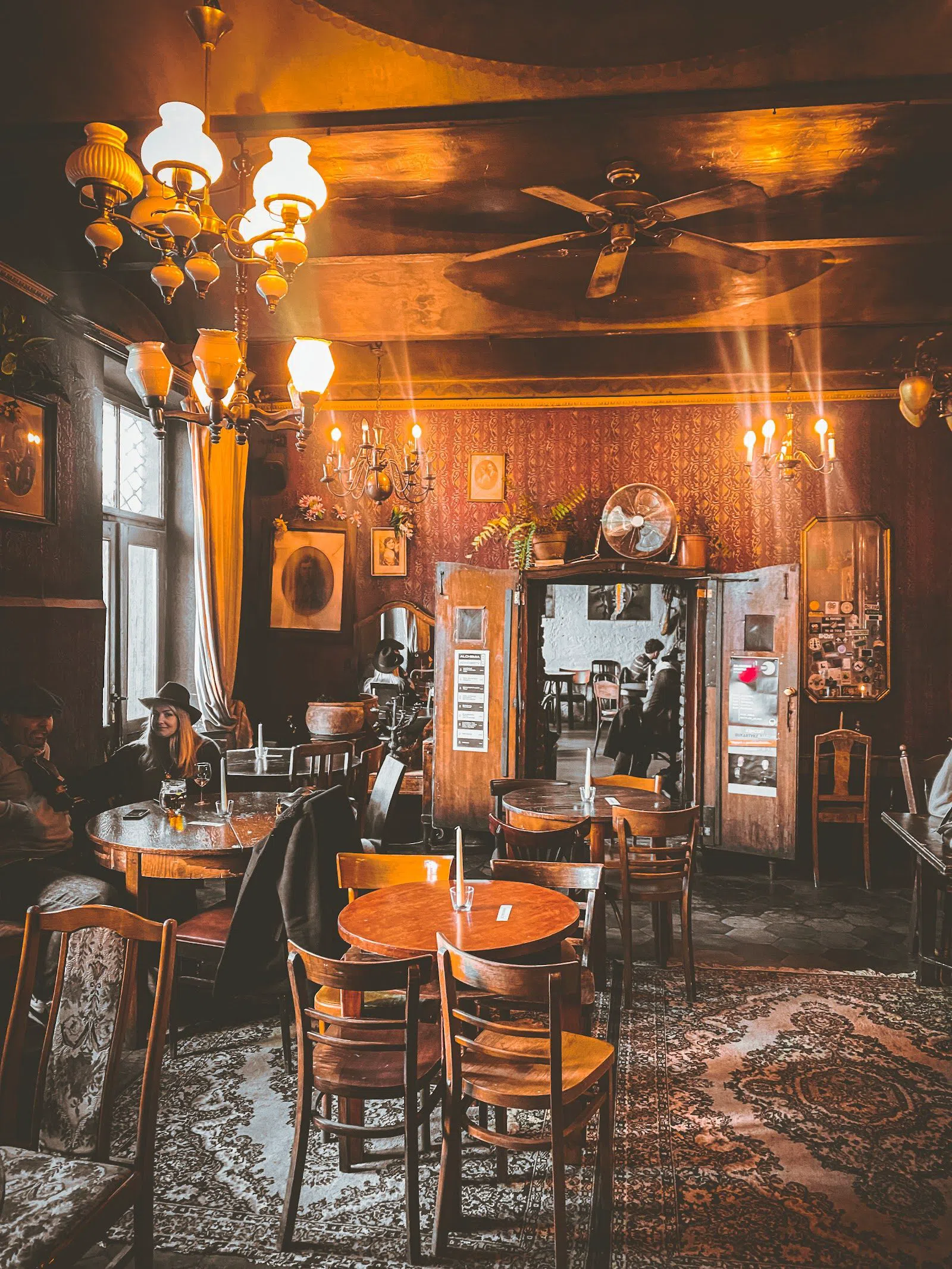
Two more reward the walk. Mleczarnia (Meiselsa) is the archetypal shabby-chic hideaway, and its shaded courtyard garden — long benches, cheap beer at around 13–20 PLN — is one of the loveliest warm-evening spots in the whole quarter and genuinely good for a group in summer. And tucked off Józefa, Eszeweria (Józefa) is the one I love most: the most beautiful of the candlelit dive bars, a room that feels like drinking inside a faded fin-de-siècle parlour, with a hidden garden that saves it in summer. It is cosy and intimate — small groups fine, large ones not — with beer around 14–20 PLN. Half the pleasure is finding the door at all; there is no grand sign, which is entirely in keeping.
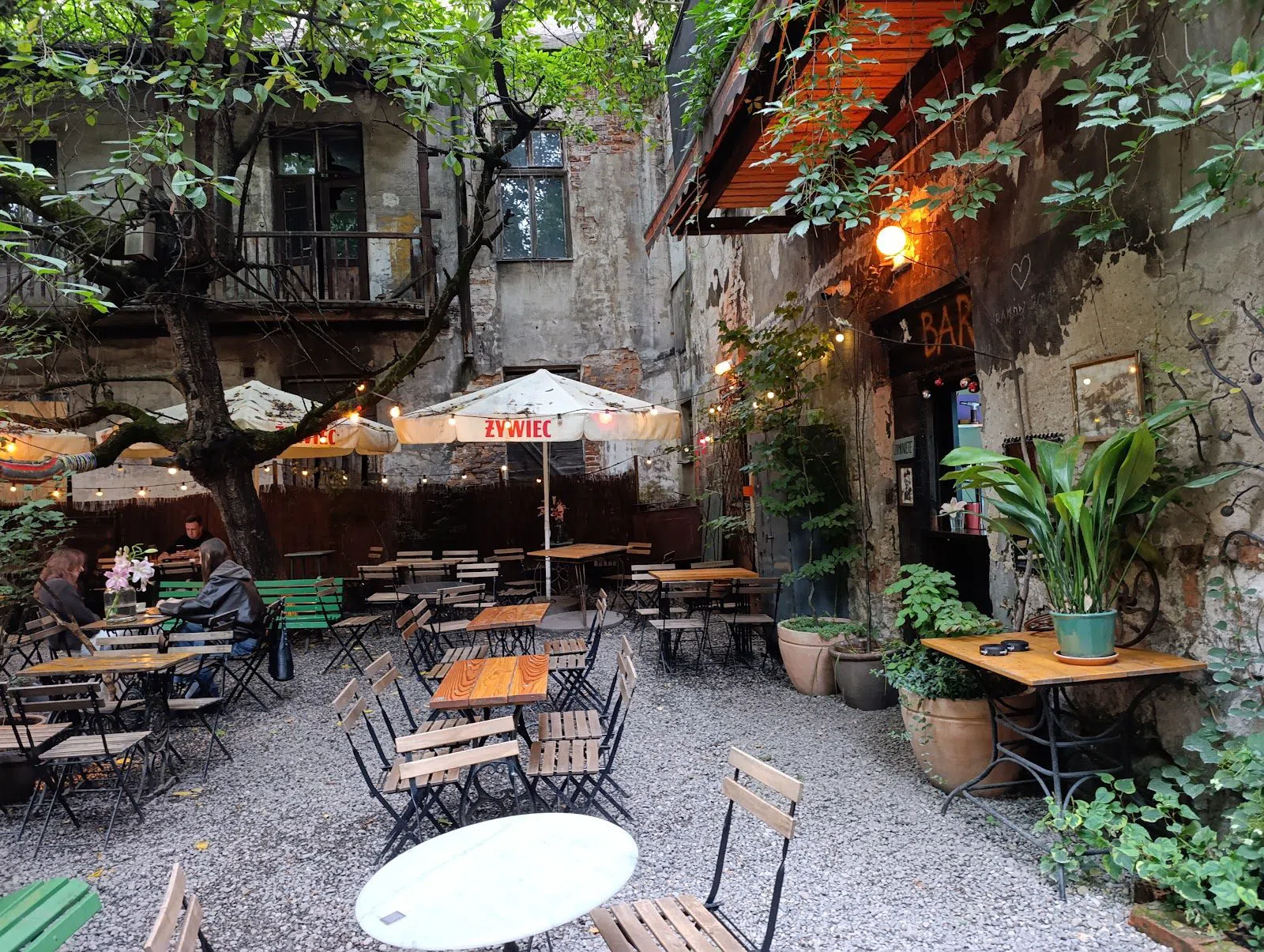
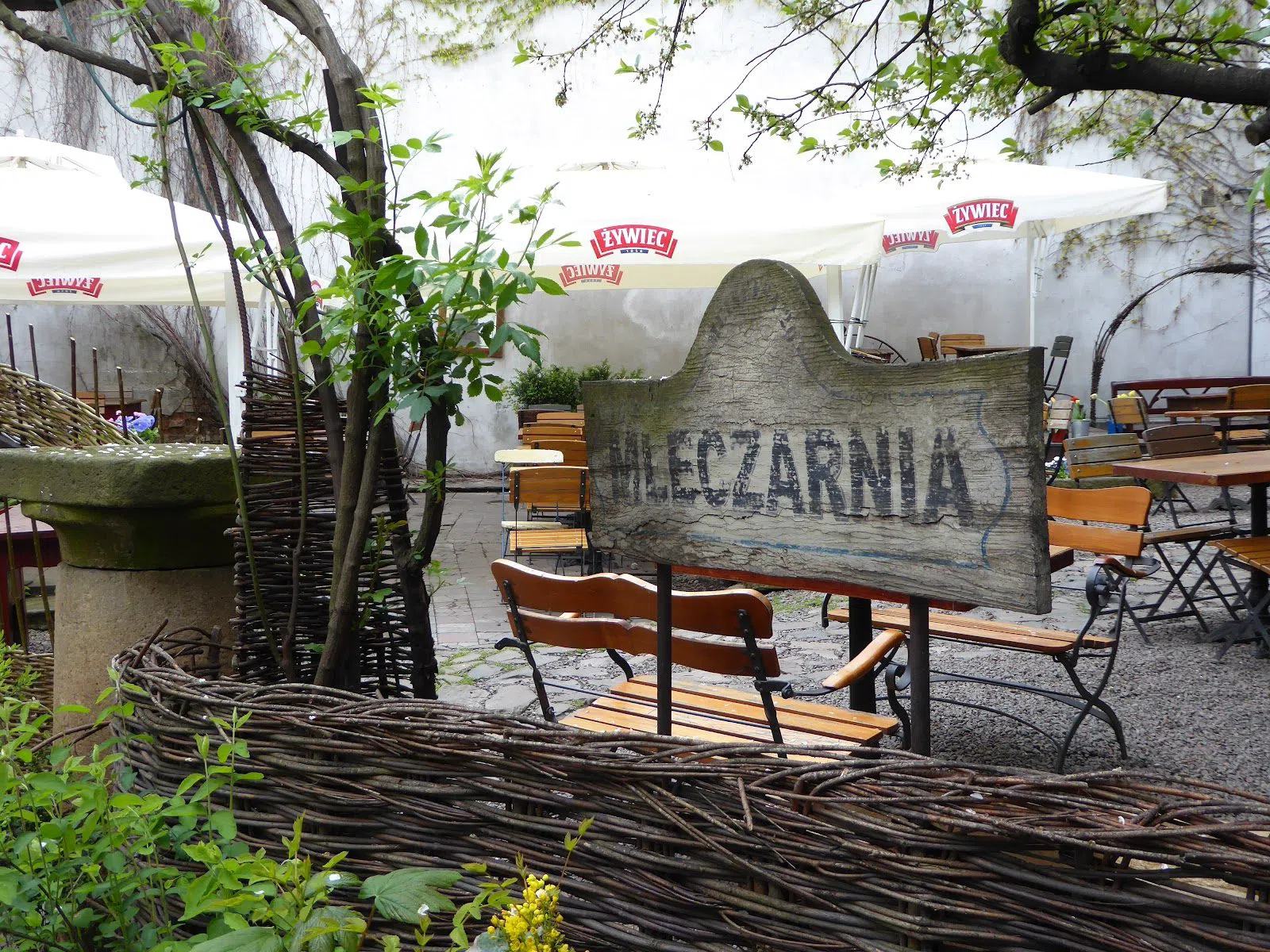
A word on doors and groups, since Kazimierz's charm is also its limitation. These are not clubs with velvet ropes — nobody is turning you away on a dress code — but the good rooms are small, and a party of ten arriving unannounced at Eszeweria or Singer will not fit and will not be thanked. Match the venue to the size of your night: the courtyards of Mleczarnia and the rambling rooms of Alchemia take crowds; the parlour bars are for couples and pairs. Plan accordingly and the quarter opens up to you.
Practicalities: getting there, timing and money
Getting in and around. Kazimierz sits about a fifteen-minute walk south of Krakow's Main Market Square, and walking is by far the best approach — the district is small and entirely explorable on foot. Trams run down Starowiślna and along the river if your feet give out. For where to stay, a bed in or near Kazimierz puts every venue in this guide within a short stroll; start with a Krakow hotel search and read the wider Krakow guide for the Old Town half of the city.
Cash and cards. Poland uses the złoty (PLN), not the euro, and while cards are accepted almost everywhere, the Plac Nowy hatches — Endzior included — are a cash-first world, so carry a few small notes for zapiekanka and the odd garden bar.
Timing. Sundays and Mondays thin the quarter out: Endzior closes on Sundays, Cheder Café on Mondays, and some synagogue sites keep shorter or restricted hours around the Jewish sabbath, so do the museums and synagogues Tuesday to Friday if you can. The bars keep their own generous clock — Alchemia and the weekend cafés run to dawn — so build history into the afternoon and leave the night entirely open.
Budget. This is an affordable evening by any European measure. A zapiekanka and a couple of garden beers is a night for well under 100 PLN; a klezmer supper with wine will land somewhere around 120–180 PLN a head; a seated concert at the Izaak Synagogue adds 50–70 PLN. Kazimierz rewards the unhurried far more than the extravagant — the best of it costs almost nothing but the willingness to keep walking until you find the right lit window.
Before you go
Is Kazimierz safe to walk around at night?
Yes. Kazimierz is one of Krakow's most popular evening districts and its streets and squares stay busy and well-lit late into the night, especially around Plac Nowy and Szeroka. Use ordinary city-centre common sense and you'll be fine; it's a fifteen-minute walk from the Main Market Square.
Do the klezmer restaurants on Szeroka charge extra for the live music?
At Klezmer-Hois the nightly live music is included with dinner and there's no cover charge, and the other Szeroka klezmer restaurants work similarly. If you want the music as a proper concert rather than a floor show, buy a seated ticket to a klezmer performance at the Izaak Synagogue for around 50–70 PLN instead.
What is a zapiekanka and where do I get the famous one?
A zapiekanka is a long toasted half-baguette topped with mushrooms, cheese and other fillings — Poland's classic cheap street food. The cult version comes from Endzior, a hatch in the round market hall in the middle of Plac Nowy, for about 15–25 PLN. There's no seating; you eat standing on the square, and it's closed on Sundays, so bring cash and go late.
Can Kazimierz's bars handle a large group?
Some can, some can't. Alchemia's rambling rooms and Mleczarnia's summer courtyard absorb crowds easily, but the small candlelit bars — Singer Café and Eszeweria — suit couples and small groups far better than a party of ten. Match the venue to your numbers and book klezmer suppers ahead for anything over six.
Which day should I visit Kazimierz?
Tuesday to Friday is ideal. The synagogues and museums keep fullest hours midweek, Endzior is closed on Sundays and Cheder Café on Mondays, and some Jewish sites restrict hours around the sabbath. The bars run late every night — some to dawn on weekends — so do the history in the afternoon and leave the evening open.