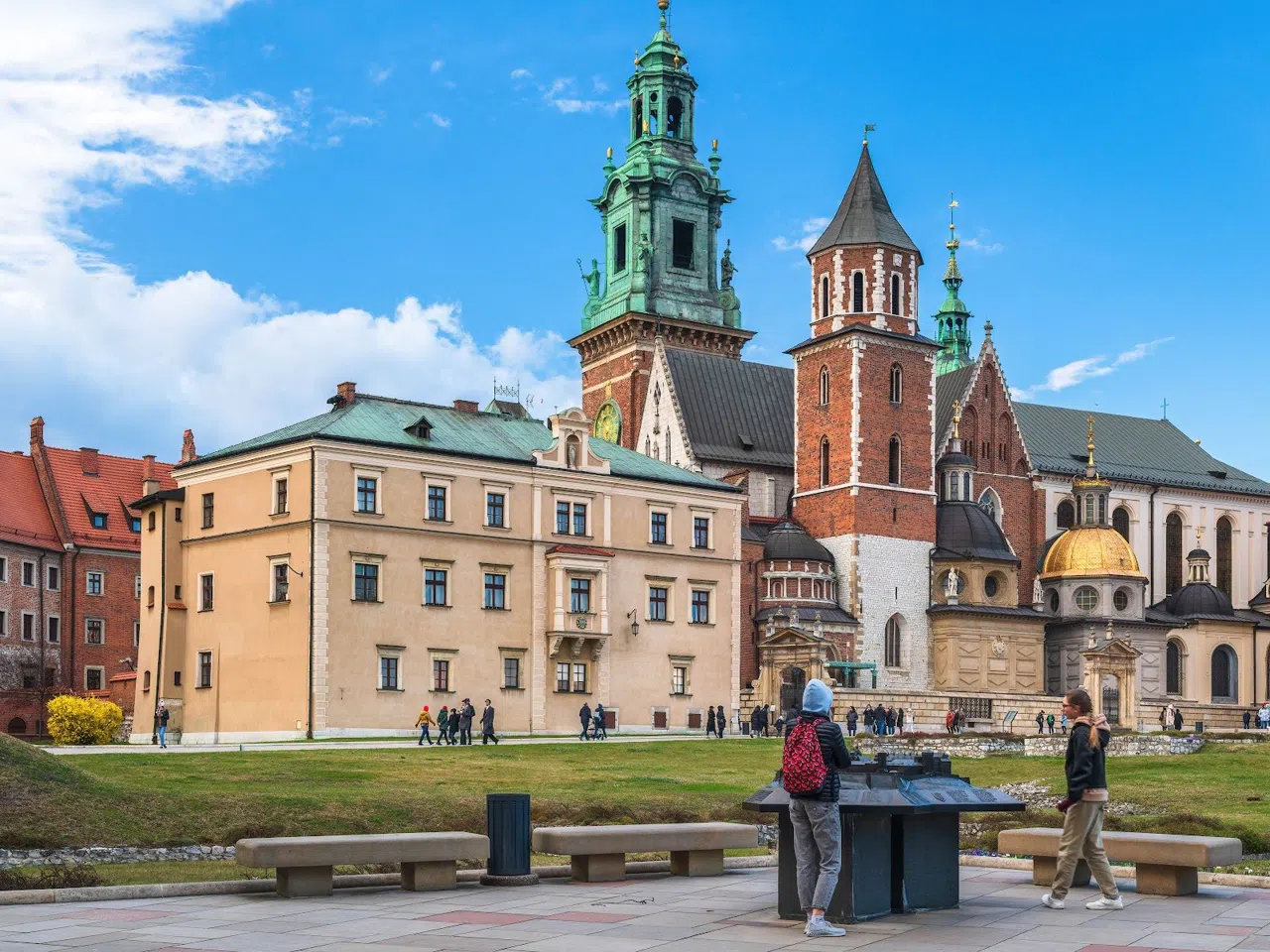

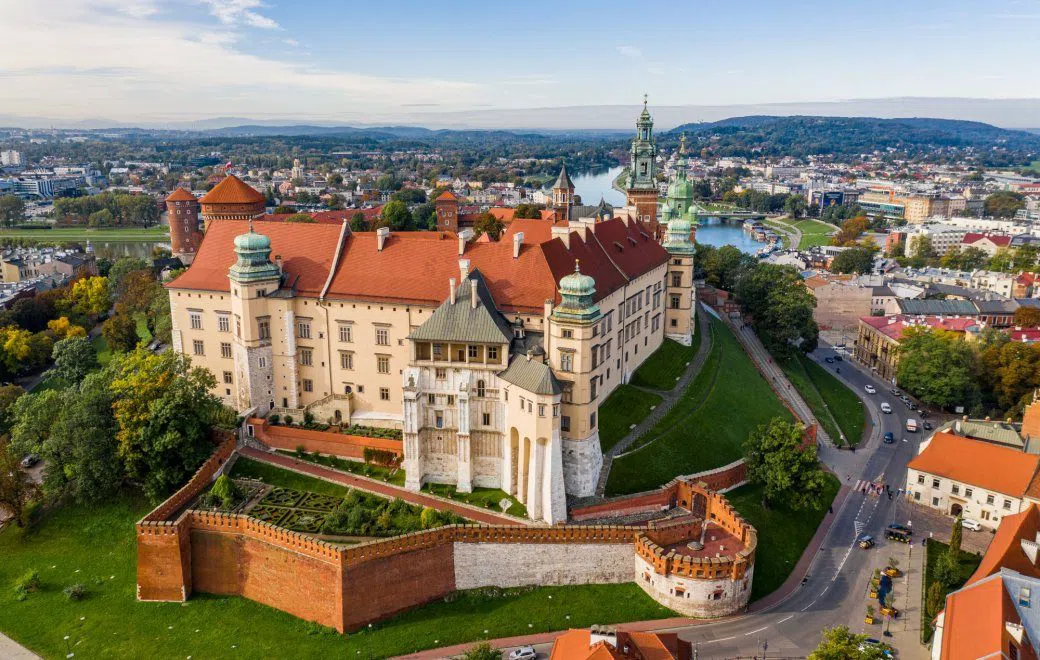
Three enormous bones hang on chains beside the door of Kraków's cathedral, and the story attached to them is that the world ends on the day they fall. They belong to a whale and a mammoth rather than a dragon, a correction nobody on Wawel Hill has ever managed to make stick. Almost everything Poland cared about (its kings, its coronation sword, its most durable monster) ended up inside two hundred metres of limestone above a bend in the Vistula, and you can walk all of it in a morning if you buy the tickets in the right order.
Buy the castle ticket before you climb
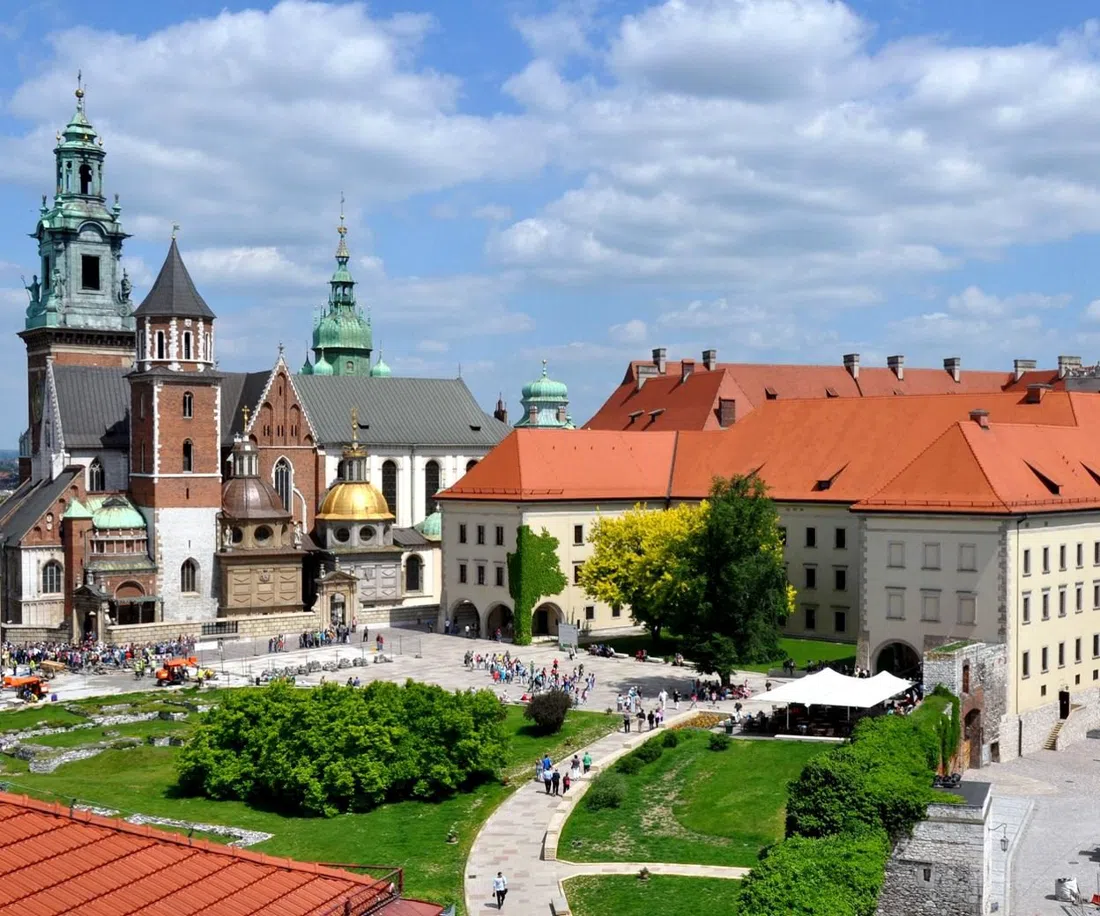
Wawel Royal Castle (Wawel Hill, at the southern edge of the Old Town) is not one attraction with one queue. It is a museum of separate routes, each sold as its own timed-entry ticket, and the commonest way to waste an hour here is to arrive at the gate without knowing which one you want. The State Rooms are 49 zł, 30 zł reduced. The Crown Treasury and Armoury is 35 zł, 25 zł reduced. Bundling two or three routes puts you roughly between 80 and 100 zł. A limited number of free tickets is released for Mondays, but Monday opening is a clipped 9:30 to 13:00, so treat it as a bonus rather than a plan; the rest of the week runs 9:30-17:00 from April to October, closing an hour earlier through winter.
Book online, and if you are a group, book properly: organised parties have to reserve slots in advance through the official ticket site, and walk-up group entry is not reliable in summer. Couples and pairs can usually improvise a same-day slot outside July and August. Twelve people cannot.
The Treasury is where the legend and the archive agree. Szczerbiec, the notched sword carried at Polish coronations from the thirteenth century, is the only significant piece of the old regalia to survive; the rest was broken up and sold off. It sits in a case a few rooms from the throne it was raised beside. Out in the arcaded courtyard, meanwhile, a quiet line of people stands with one palm flat against the north-west corner, where a twentieth-century esoteric belief places one of the earth's energy points. The castle has never encouraged the idea, and has never quite managed to stop it either.
The bones, the bell and the kings underneath
Wawel Cathedral (same courtyard, sixty seconds from the castle ticket windows) is the cheapest serious hour in Kraków. The nave costs nothing to enter. The combined ticket covering the Royal Tombs, the Sigismund Bell and the Cathedral Museum is 26 zł, 18 zł concession, with an explicit group rate of 23 zł per person, 16 zł concession. Opening is Mon-Sat 9:00-16:30 and Sundays from 12:30 only, with the museum closed on Sundays entirely.
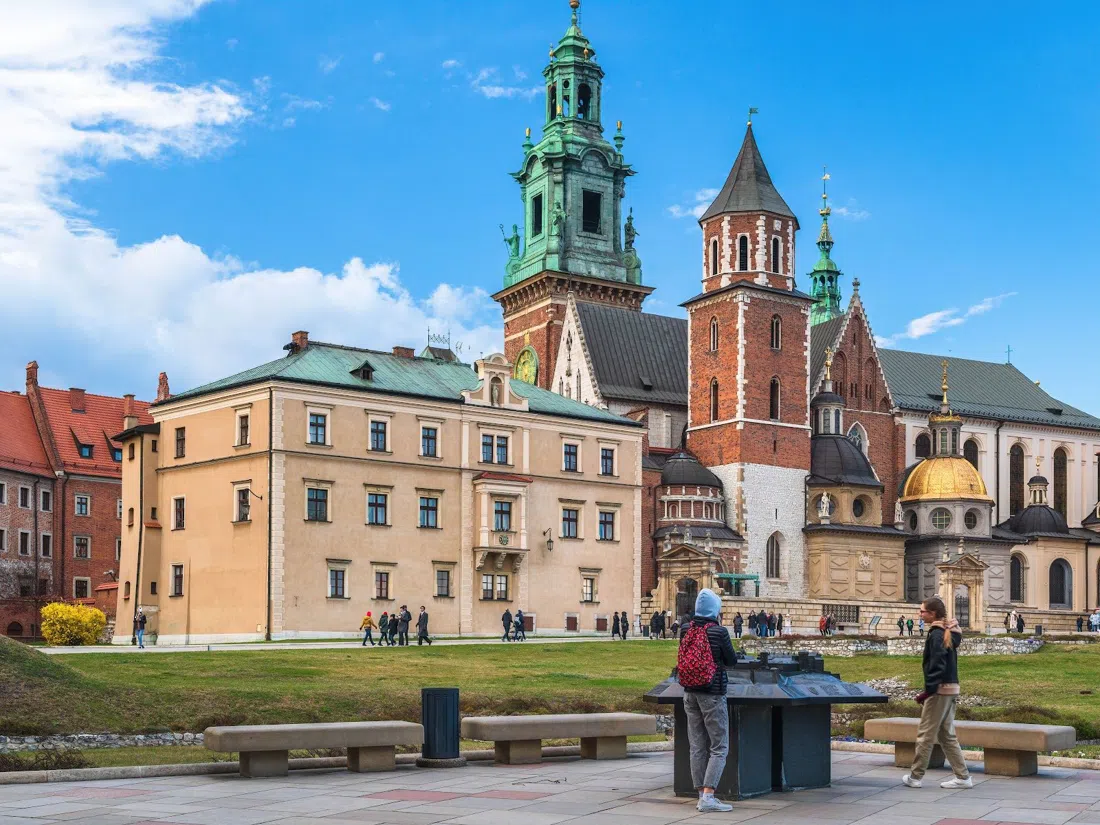
The bones are the first thing you pass, chained above the west door. Below, the Crypt of St Leonard is black marble and Romanesque, older than nearly everything standing above it, and the kings of Poland lie in the tombs beyond in a line that reads as a compressed national history. Up the other way, the Sigismund Bell was cast in 1520 and still hangs in a timber cage reached by a cramped wooden stair; visitors touch the clapper on the way past, which is the closest thing Kraków has to a queue for a superstition.
Be realistic about the stairs. Both the tombs and the bell are single-file and narrow, so large groups get split at the door and move slowly. Budget an hour for eight people, not the twenty-five minutes two people need.
A one-way stair and a dragon that genuinely burns
Do Dragon's Den (Smocza Jama) last on the hill, because it does not let you back. The entrance sits inside the castle grounds on the river side, the ticket is a flat 12 zł with under-sevens free, and the descent is 135 steps of spiral stair with no return route. It is wet, cold and properly dark in places. It is not workable with a pushchair, with limited mobility, or with any claustrophobia worth the name. It is also seasonal: roughly late April to the end of October, closed all winter, which catches people out in March more than any other date on this hill.
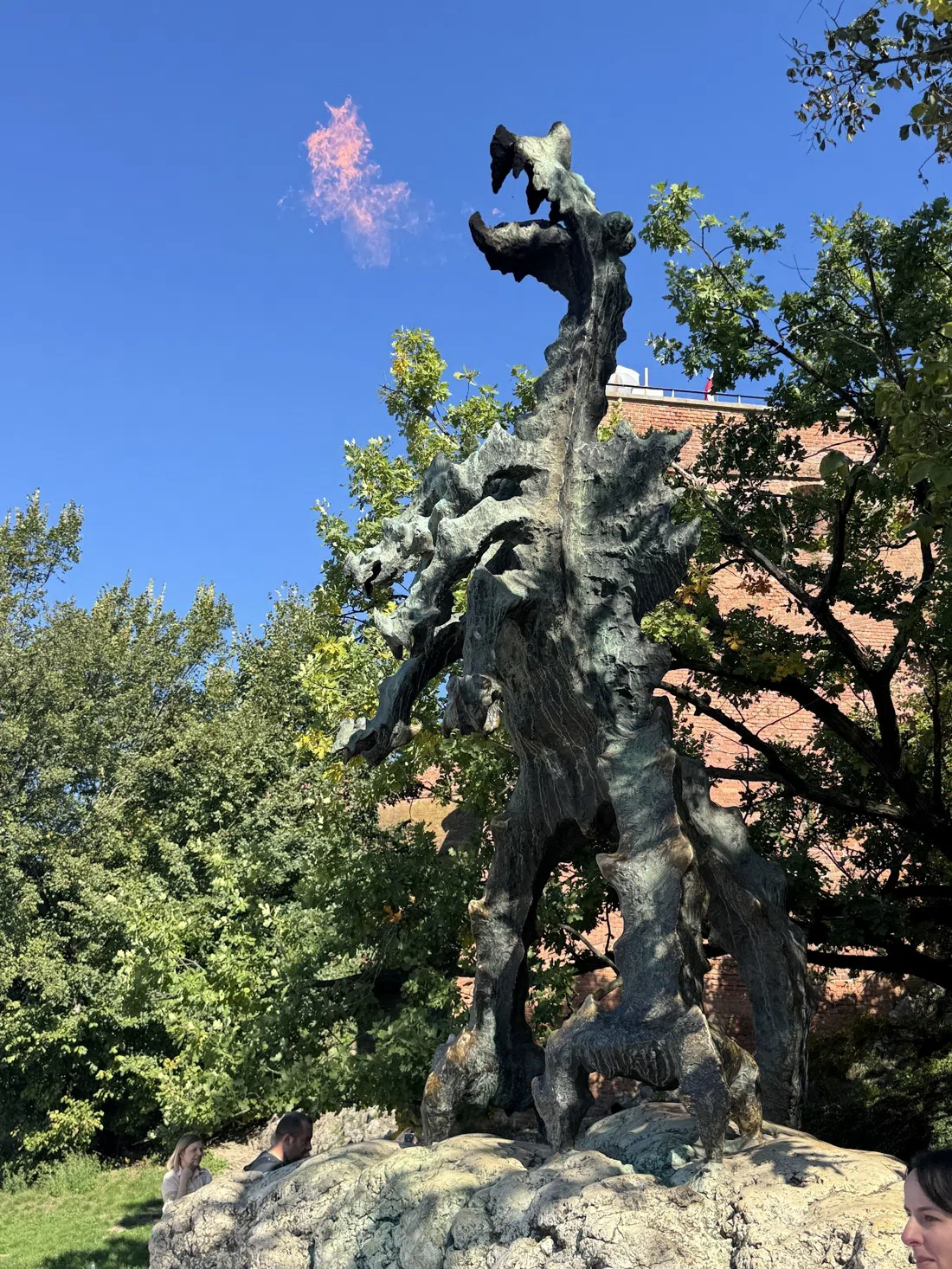
The cave spits you out at river level beside the Wawel Dragon statue (the Vistula bank directly below the castle), Bronisław Chromy's squat bronze with seven necks, which breathes real fire off a gas nozzle every few minutes and can still be set off on demand by text message. It is free, outdoors and unticketed at any hour and any group size, though the riverside strip is shoulder-to-shoulder by mid-afternoon in summer. The legend it commemorates is a cobbler's trick: a sheep stuffed with sulphur, a dragon that drank the river to put out the burn, and a dragon that burst. Children who were bored rigid in the State Rooms will forgive you here.
The killing at Skałka
Turn downriver and walk ten minutes along the boulevard to Church on the Rock — Skałka (Kazimierz), where the royal-ghost story on Wawel actually begins. In 1079 Bishop Stanislaus was cut down here by Bolesław the Bold, the king he had excommunicated; the king lost the throne, the bishop became a saint, and the guilt was eventually laid to rest a kilometre back up the hill where his relics now sit in the cathedral. It is the rare Polish legend with a recorded date and a known corpse.
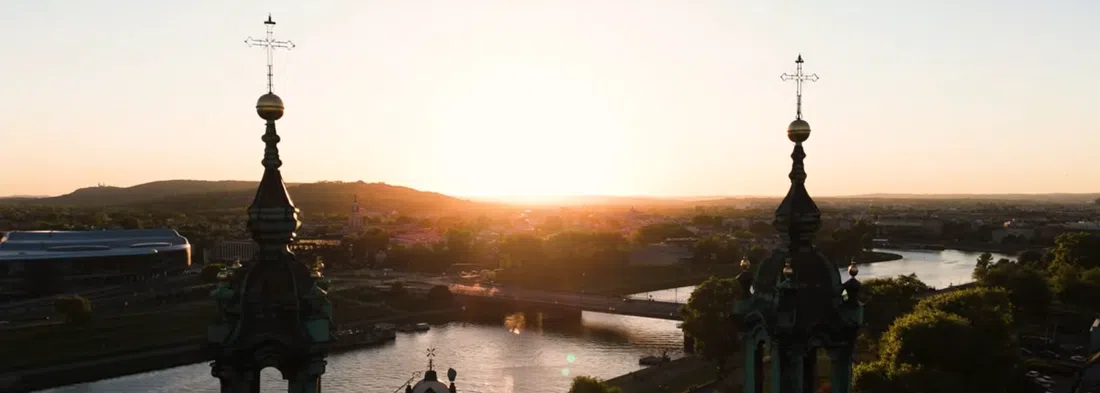
The church is free and open 07:00-20:00. The Crypt of Distinguished Poles below is 5 zł, 3 zł concession, open 10:00-17:00, in winter by request only, and larger parties should ring ahead rather than arrive. Wyspiański, Malczewski, Szymanowski and Miłosz are down there in a dozen sober niches. It takes fifteen minutes and is the quietest stop in this guide.
The other dead, under the Main Square
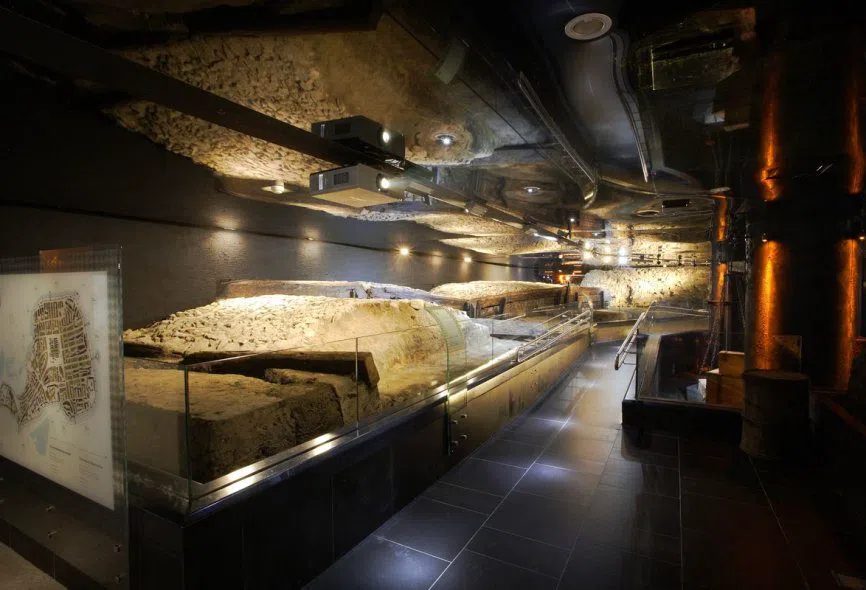
Wawel buries kings. Rynek Underground (Main Square, Old Town) shows you what happened to everyone else. Four metres beneath the market square, the excavation lays out medieval trade levels, plague burials, eleventh-century graves and the city's anti-revenant practices, the weighting and pinning of bodies people feared would come back. Admission is 36 zł adult, 32 zł reduced, 72 zł for a family of up to four, free on Tuesdays with a limited same-day allocation from the box office. Timed entry caps numbers, so reserve; a guided tour for a group is bookable at 145 zł for the group. Hours are Mon and Wed-Thu 10:00-19:00, Tue 10:00-14:00, Fri-Sun 10:00-20:00.
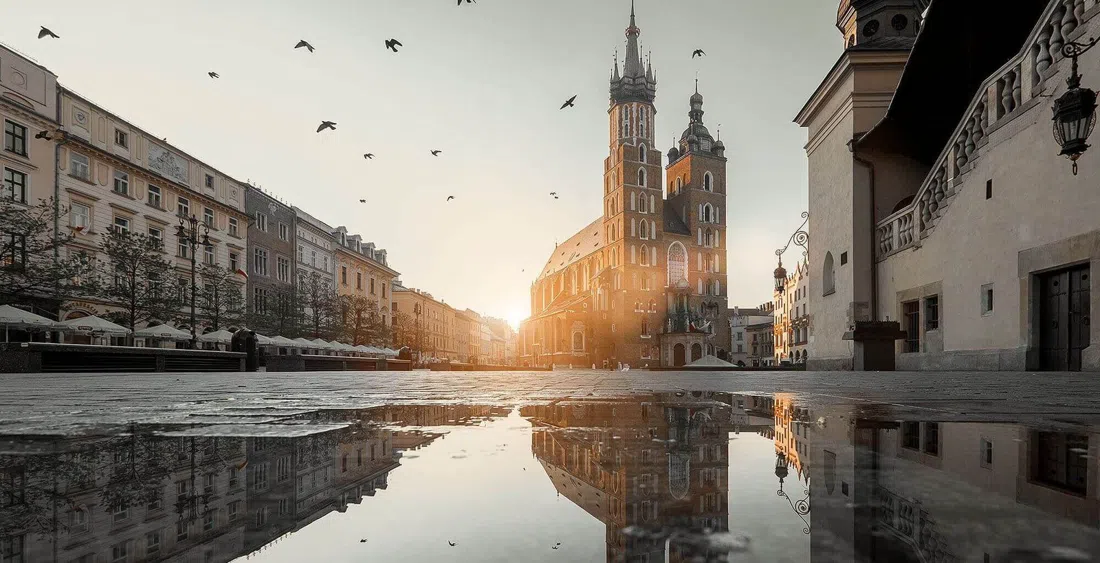
Up at ground level, St Mary's Basilica (Main Square) carries two legends in one building: the brothers who built the mismatched towers and the murder that settled which was taller, and the watchman shot through the throat mid-call, still commemorated by the hejnał breaking off unfinished on the hour. Tourists enter by the south-side door for roughly 25-35 zł, less concession. The Bugle Tower climb is ticketed separately at about 20 zł, goes up in small timed parties on narrow timber stairs, and must be booked on its own. Sightseeing stops during Mass; the tourist window is 11:30-18:00.
A soul sold at the university
Collegium Maius (Old Town, a few minutes west of the Main Square) is where Pan Twardowski, the Polish Faust, is said to have signed his contract before the devil collected him. The courtyard is free and open, and worth five minutes for the mechanical clock alone. Inside, visits run as fixed small groups on set slots: 17 zł self-guided, 26-31 zł guided, free self-guided on Wednesdays 13:30-17:00, under-sevens free. Organised groups must arrange a slot by phone or email in advance. Hours are Mon-Fri 10:00-17:00 with last entry at 16:30, and Saturday self-guided 10:00-15:00.
The grounded half of the story is in the same rooms: the Jagiellonian globe, made around 1510, is the oldest surviving globe to show the Americas, drawn by people who had only second-hand word that the continent was there. Alchemy and cartography were the same building's business, and the guides are good on why that made sense at the time.
Two more rocks on the river
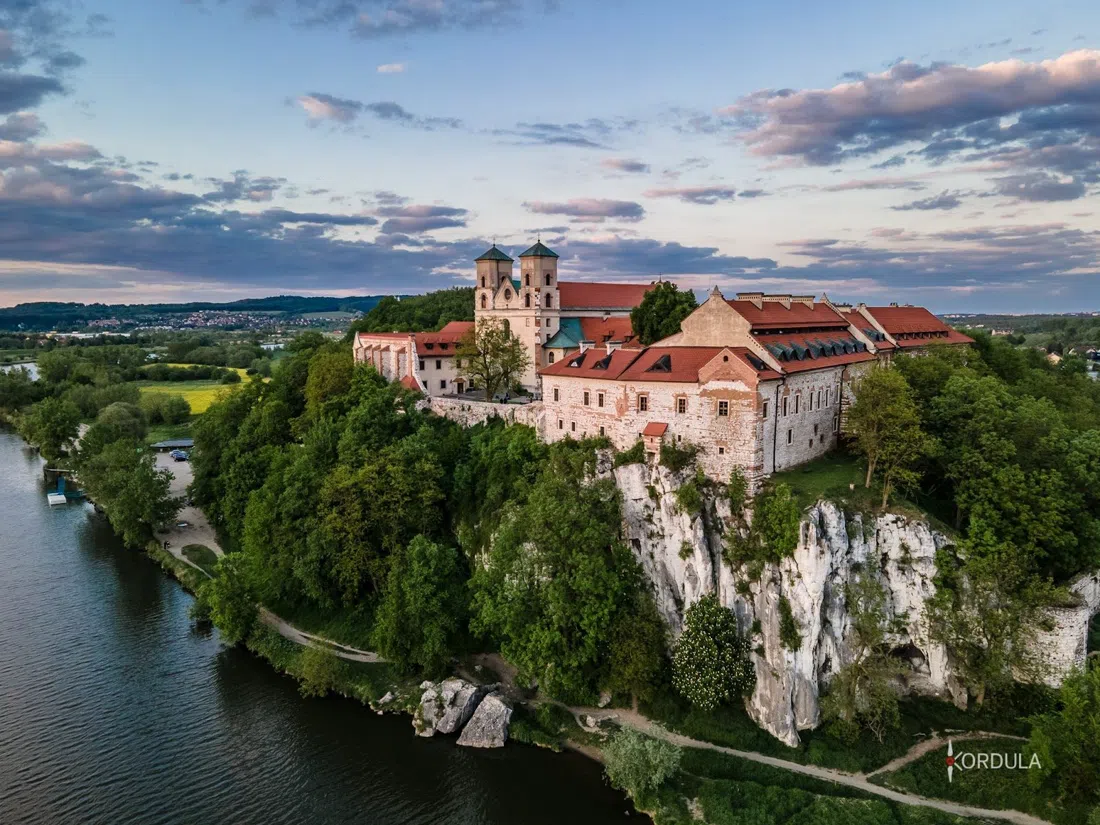
Benedictine Abbey in Tyniec (Tyniec, twelve kilometres upriver) is the darker half of the Wawel story: a second fortified crag over the same water, sacked by Tatars and later by Swedes, with its monks' bones excavated on site. Inside is guide-accompanied only, with near-hourly tours Mon-Sat 9:00-12:00 and 14:00-15:00 and Sunday tours at 14:00 and 15:00. The museum is 7 zł, a combined abbey tour and museum 10 zł, 8 zł concession, and the outer courtyard is free. It is a working monastery, so dress modestly and book if you are a group.
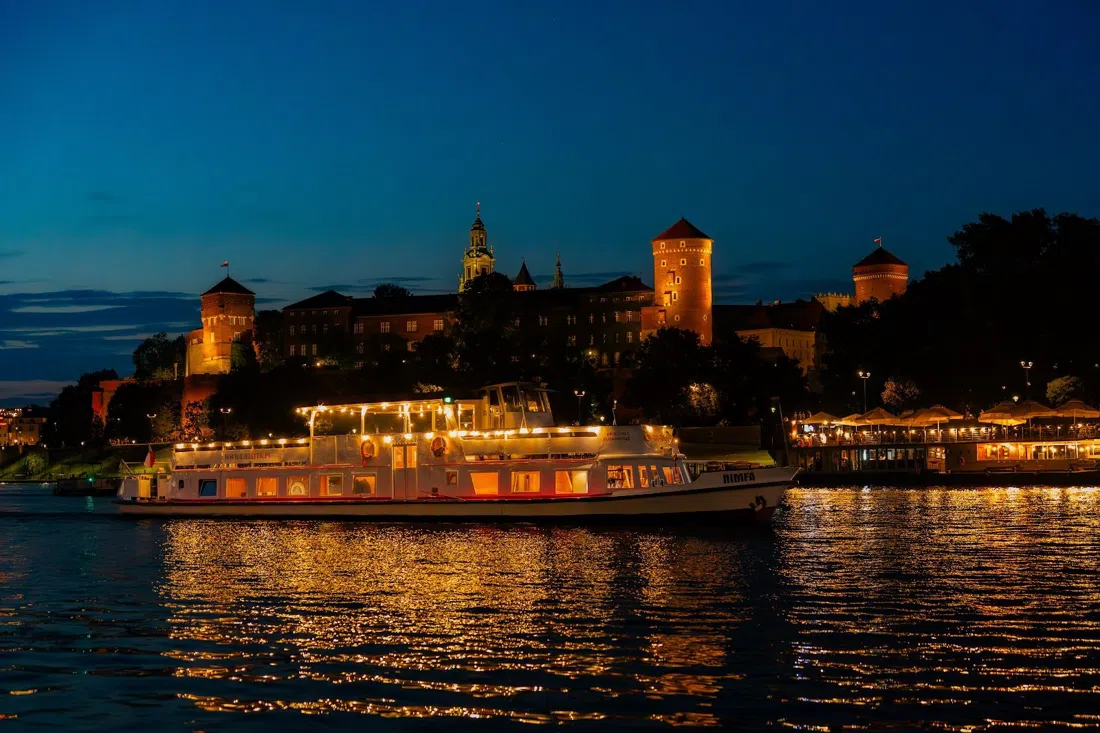
Getting there is half the point. Bus 112 takes about thirty minutes, but Kraków Passenger Shipping (Żegluga Krakowska, statek Nimfa) runs the river itself: a 30-minute Wawel cruise at 49 zł, a 50-minute city run at 65-75 zł, evening sailings at 75-85 zł, and a full-day Tyniec return at 150-160 zł that doubles as transport to the abbey. Boats range from small craft to 200 passengers with dedicated group and school bookings, and a private catamaran charter runs 450 zł for thirty minutes or 850 zł for an hour. Sailing runs daily to around 30 October. From the water you see the hill the way the legend frames it: a rock with a hole in its base, above a river a dragon was supposed to have drunk dry.
The grave nobody can date
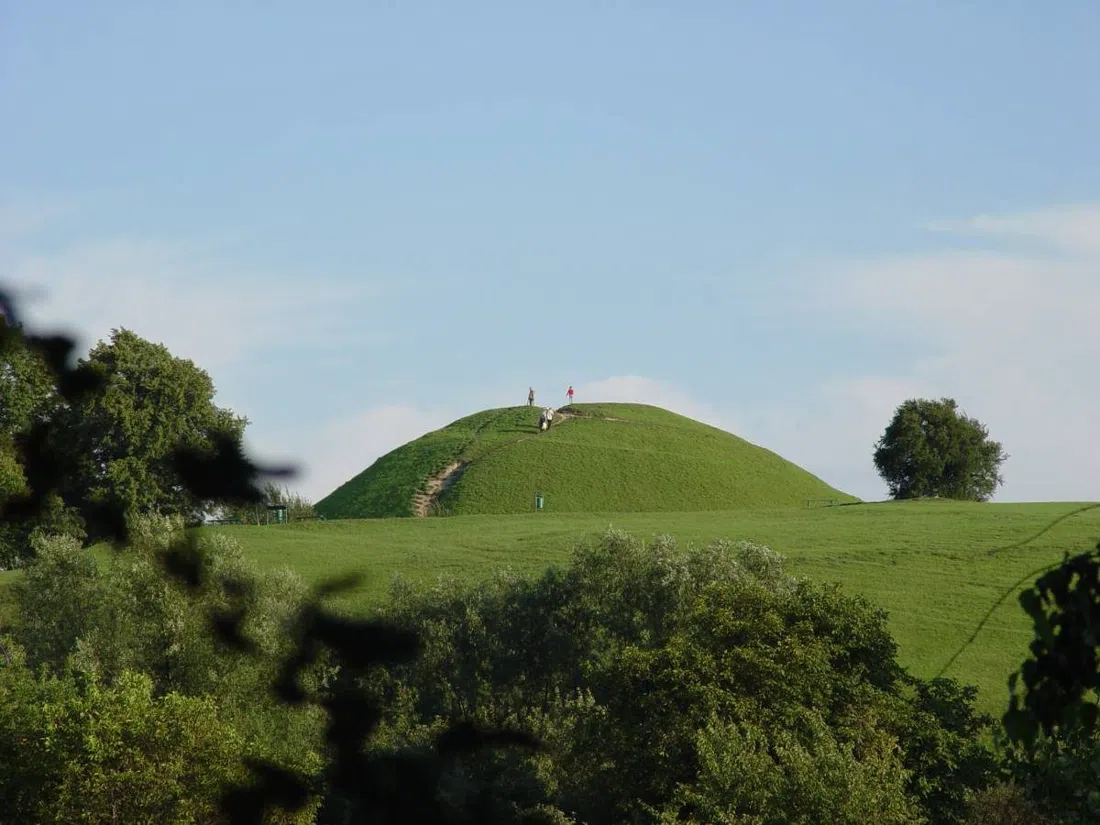
Krakus Mound (Kopiec Krakusa) (Podgórze, south of the river) is the supposed grave of King Krak, the man the dragon story is hung on. Excavation never settled when it was raised or by whom, which is precisely why it earns a place here rather than in a history book. It is open ground with no gate, no ticket and no closing time, suitable for any group at any hour, though it is a ten-minute uphill walk from the tram, fully exposed, and unlit after dark. Come at the end of the day and pair it with the neighbouring Liban Quarry for the clearest free view back at Wawel.
Guides worth taking after dark
Walkative! — Macabre Kraków tour (departs in the Old Town) is eighty minutes on executioners, punishment sites and urban legend, reliably run in English, and it is pay-what-you-wish, with most people giving €15-50 per person. Booking is obligatory either way. The catch matters for families and stag or hen parties: groups of eight or more cannot join the pay-what-you-wish walk at all and must book the paid private version at €18 per person. It also covers the Old Town rather than Wawel, so treat it as the evening complement to your day on the hill rather than a replacement for it.
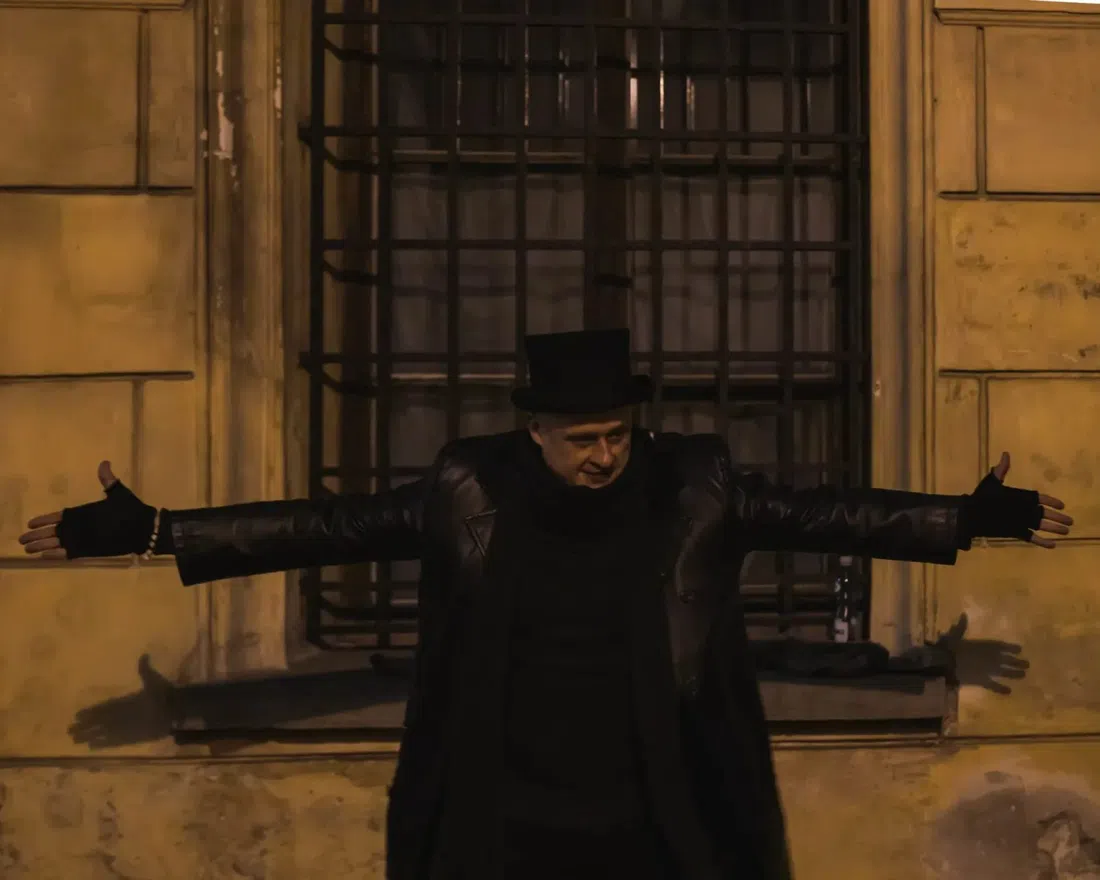
Mysterium Tours (Old Town, private bookings) is the better choice if you are already travelling as a group. Its 'Dark Stories of Kraków's Old Town' walk covers alchemists, the dragon and the city's vampire lore in English, Italian or Spanish, runs roughly €20-30 per person depending on group size, and can be customised with pick-up and drop-off arranged. There are no actors and no jump-scares, which is the right register for adults who want the history told straight.
Dinner within sight of the gate
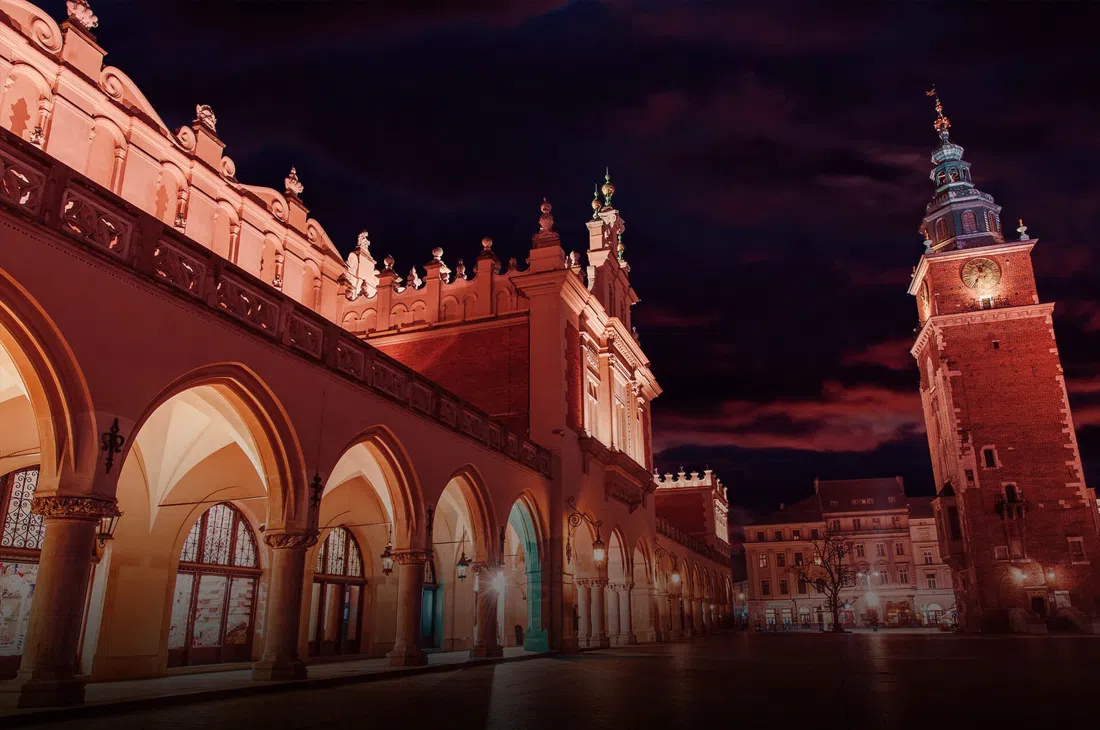
Pod Aniołami (Grodzka, five minutes from the castle gate) has been family-run since 1893 and occupies a genuine medieval cellar rather than a themed one: the stone is old, the ceilings are low, and there are private rooms for parties. Mains run roughly 70-140 zł and a full evening with wine lands at 200-300 zł a head. Order the beechwood-grilled lamb. Book ahead at weekends; it is open daily 13:00-24:00.
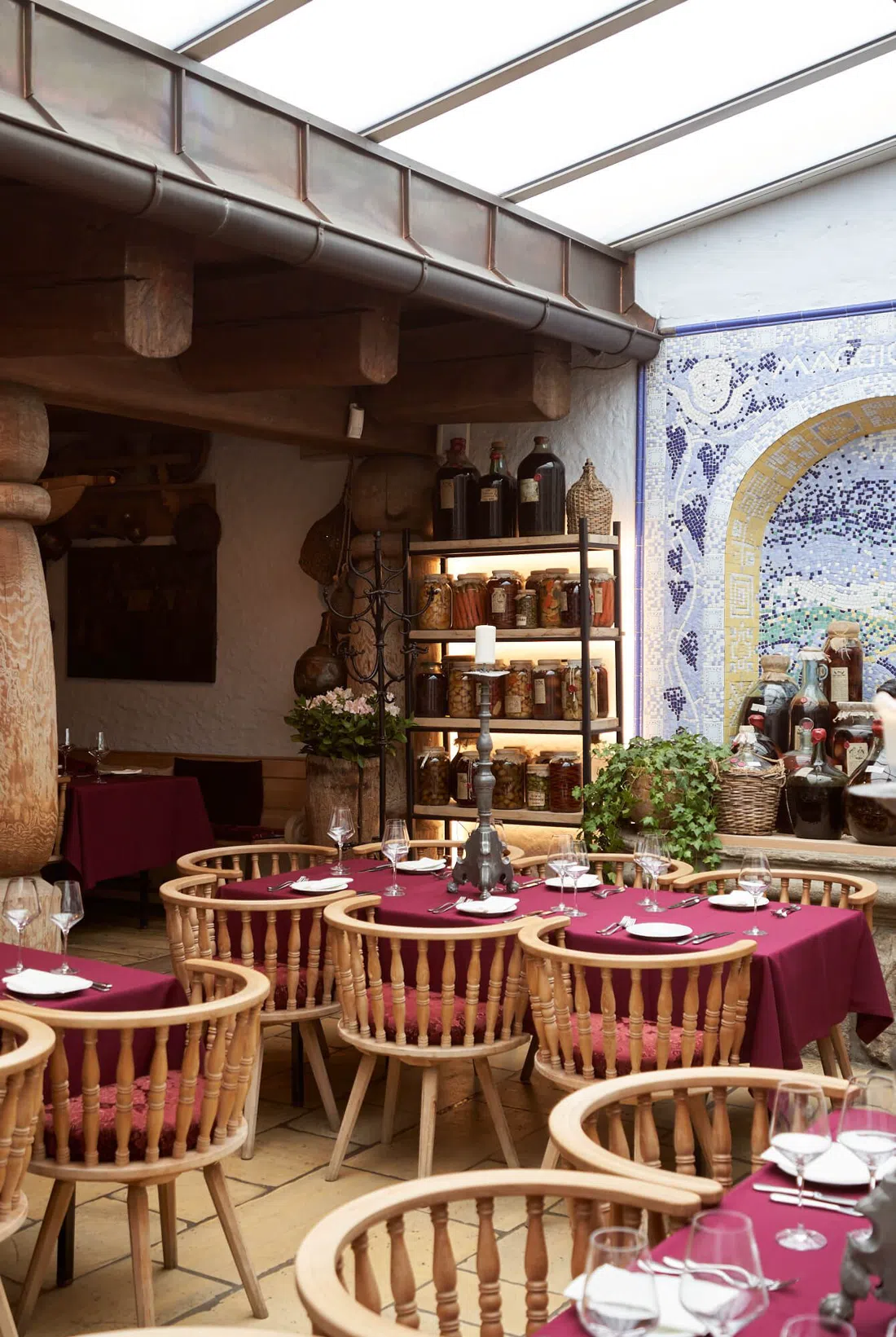
Pod Wawelem Kompania Kuflowa (ul. św. Gertrudy, ninety seconds from the cave exit) is the practical answer for a dozen people at once: long refectory tables, a garden terrace, a soft-play corner for children, enormous portions and no pretension at all. Mains are roughly 45-80 zł and beer starts around 18 zł. Reserve or expect a fifteen-minute wait at dinner. Open Mon-Sat 12:00-24:00, Sundays to 23:00.
The dragons come back the first weekend of June
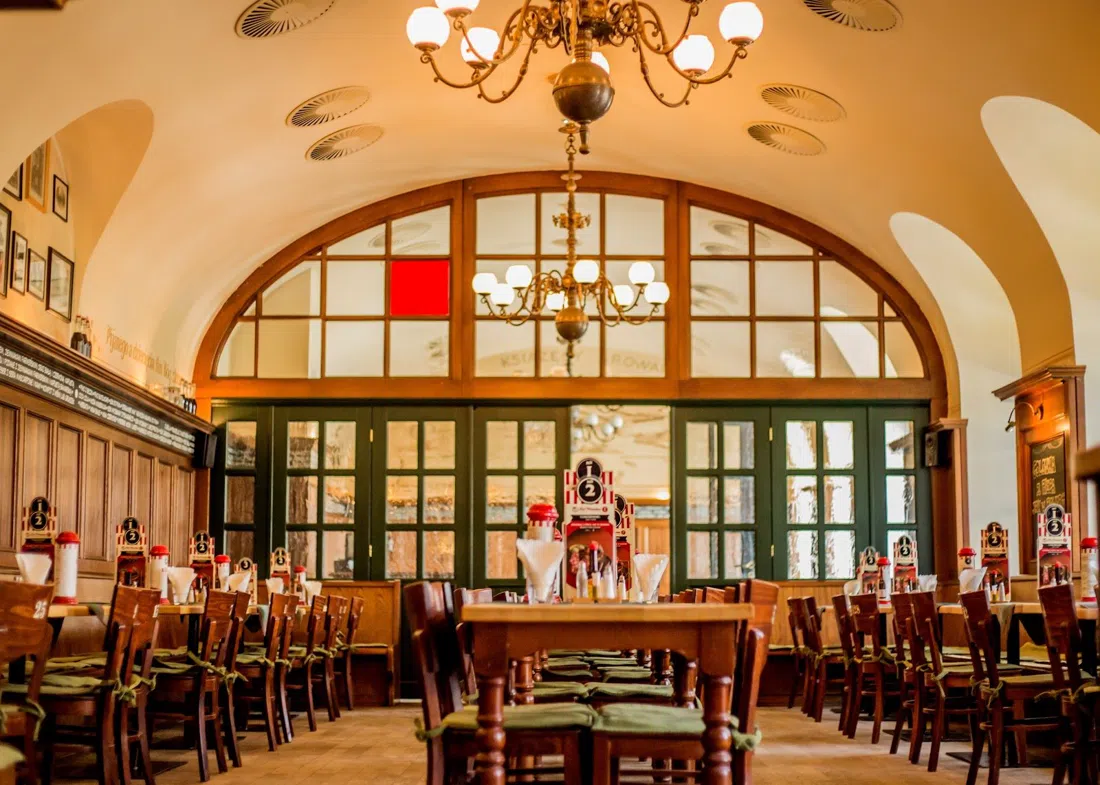
Teatr Groteska — Great Dragon Parade (Wielka Parada Smoków) has been run by the theatre since 2000, and the 25th edition took place on 6-7 June 2026. The Saturday night spectacle on the river below Wawel (giant puppet dragons, fire and fireworks over the water) draws tens of thousands to the banks, and the Sunday street parade is aimed squarely at children. The riverbank is free and needs no booking; a reserved grandstand box costs 250 zł if you want a guaranteed sightline. If you are planning around it, the first weekend of June 2027 is the date to hold.
Practical notes
Getting around. Trams and buses stop at the foot of the hill on św. Gertrudy, a two-minute walk from the castle ramp and the beer hall. Bus 112 reaches Tyniec in about half an hour, or take the boat from below Wawel. Krakus Mound is a tram ride into Podgórze plus a ten-minute uphill walk. Everything else in this guide is inside a twenty-minute walk of the Main Square.
Money. Poland uses the złoty, and cards work almost everywhere, including the castle ticket office. Carry 50-100 zł in cash anyway for the 5 zł crypt at Skałka, candles, and the occasional small kiosk. Tour operators here quote in euros; venues quote in złoty.
Timing. Castle Mondays are short (9:30-13:00) and the free allocation goes early. Rynek Underground is free on Tuesdays and correspondingly busy, and closes at 14:00 that day. Collegium Maius is free to self-guide on Wednesday afternoons. The cathedral opens late on Sundays and its museum shuts entirely. The Dragon's Den is closed all winter: if you are here between November and April, the bronze dragon still breathes fire, but the cave under it does not open.
Budget. A full day on the hill (State Rooms, the cathedral combined ticket and the cave) comes to 87 zł a head. Add Rynek Underground for 36 zł and a half-hour river cruise for 49 zł and you are at 172 zł for everything worth paying for, before food. Stay in Okół or the lower Old Town to walk to the ramp in five minutes, or in Kazimierz if you want Skałka and the river on your doorstep; compare rates with a Krakow hotel search. For the rest of the city beyond the hill, start with our Krakow guide.