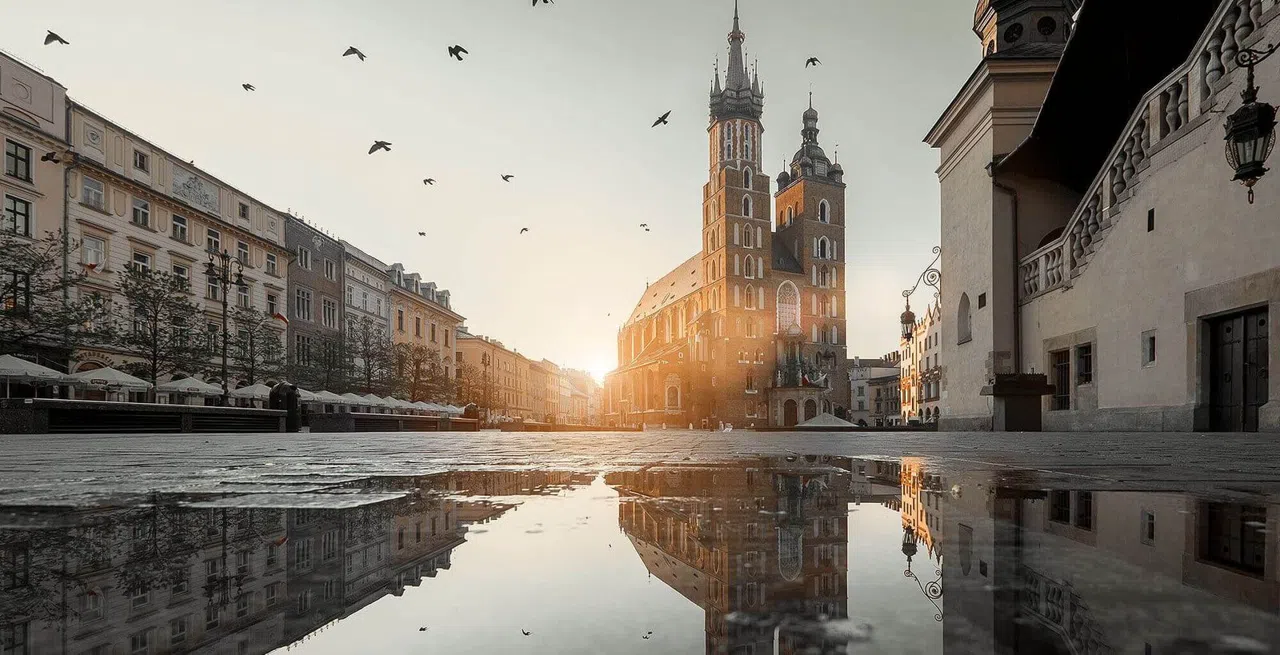

Nobody presses play. On the hour, every hour, a bugler climbs to a window near the top of St Mary's tower, leans out over Rynek Główny and plays the same short melody four times, once to each compass point, and each time the last phrase simply stops, as though the player had been interrupted. Twenty-four times a day Krakow is told the time by an instrument that refuses to finish its sentence, and if you plan even loosely around that, the Old Town stops being a square full of restaurants and becomes a day with a pulse.
What you are actually hearing
The sound comes from St. Mary's Basilica and its bugle tower (Bazylika Mariacka, on Plac Mariacki at the eastern edge of Rynek Główny). The call is the hejnał, and it is live. A small rota of city fire-brigade buglers works the tower in shifts, and one of them plays it in person every hour of the day and night, through snow, through Sunday mornings, through the small hours when the square belongs to pigeons and delivery vans. National radio carries the noon performance, which is why that hour draws the biggest crowd and the thickest forest of raised phones.
The melody breaks off mid-note because, according to the legend, the watchman who first sounded the alarm against an approaching Tatar army was shot through the throat before he could finish. It is a good story, and half the plaques in the city tell it as fact. The honest version is that the arrow is not documented in the medieval record, and the tale was popularised abroad by a children's novel in 1928. The interruption is now a deliberate, protected part of the performance, which is more interesting than the legend: the city chose to keep playing an unfinished tune for centuries.
The basilica interior is a separate visit from the tower, entered through the side tourist door and ticketed separately at roughly 15-20 PLN. Unlike the tower, it absorbs large groups comfortably. Go in for the Gothic altarpiece carved by Veit Stoss in the late fifteenth century, whose wings are unveiled late each morning; it is the one thing inside the church that will hold a restless party of fifteen for twenty minutes.
Getting up the tower without a booking
The tower climb is the hardest ticket in the Old Town, and not because it is expensive. It costs 20 PLN, or 15 PLN reduced. The constraint is capacity: groups of a maximum of fifteen people, two groups an hour, departing every twenty-five minutes, and tickets sold same-day only from the visitor centre at Plac Mariacki 7. There is no advance booking, no online queue-jump and no concierge workaround. A party of twenty will be splitting into two groups on different departures, so send one person to the visitor centre early rather than arriving together at midday and hoping.
The other constraints are seasonal and physical. Tower hours run Tuesday to Saturday 11:00-17:30 and Sunday and holidays 13:00-17:30, the climb is closed roughly from November through April, and it shuts in bad weather with no warning; wind matters more than rain. Children under seven are not allowed up at all, which makes this a couples-and-teenagers climb rather than a family one. Families should put the money into the basilica interior and one of the viewpoints below instead.
Three ways to stand inside the hour
The tower is the source, but you cannot be in the window with the trumpeter, so what matters is where you stand when the hour turns. Three places answer that differently, and a thorough visitor does all three on different days.
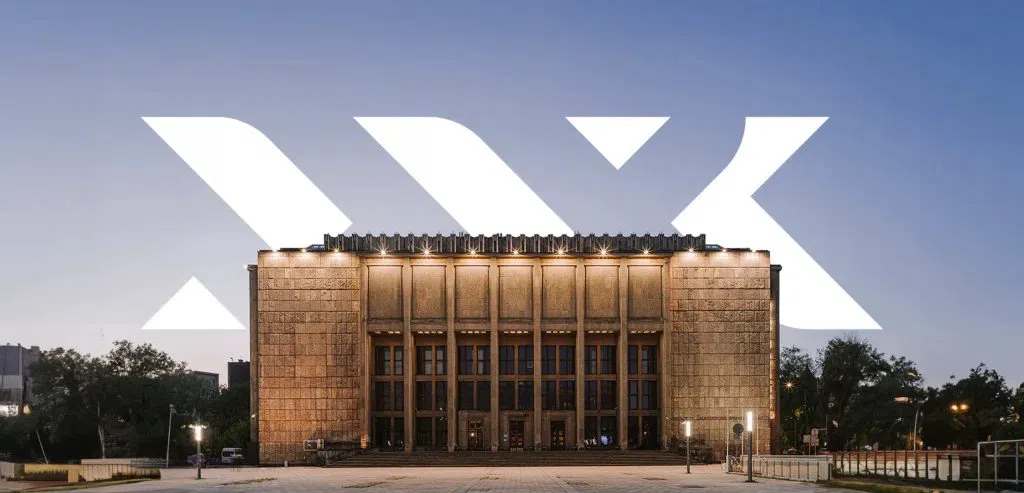
Café Szał (the Cloth Hall roof terrace, Rynek Główny) puts you level with the bugler and directly across the square from him, the only vantage point where you hear all four directions turn: the sound swings away from you, comes back, and you can hear the player breathe between phrases. Terrace admission is 2 PLN, free on Sundays and Mondays and after 20:00, with coffee and cake at 20-40 PLN. Access is by lift from the National Museum stairwell inside the hall, a building rebuilt into its present form in the 1870s when the old market rows were cleared away. The terrace is narrow and warm-season only; a group of eight will end up spread across three tables, so come off-peak or accept the split. The indoor café runs year-round.
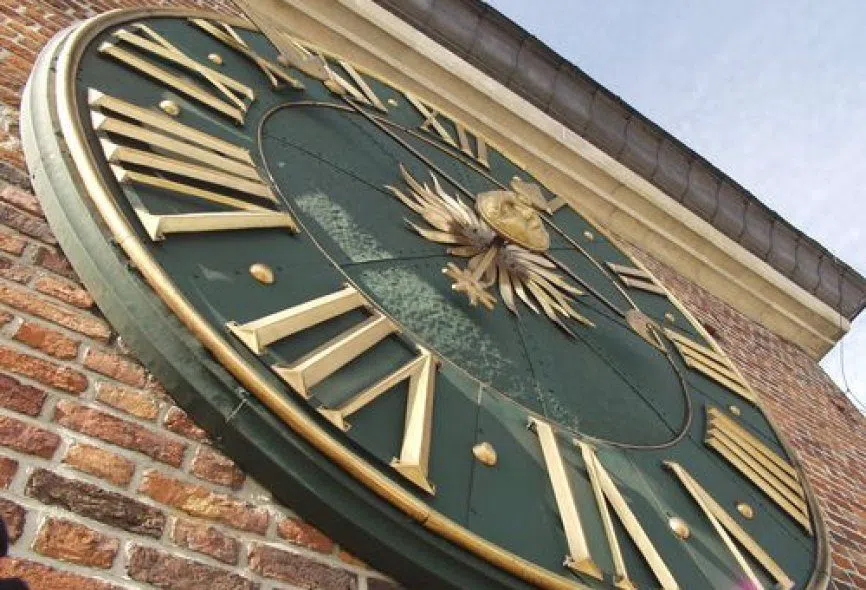
Town Hall Tower (Rynek Główny, west side, Museum of Krakow) is the counterweight. From here the hejnał arrives across two hundred metres of open square rather than falling straight down on you, slightly late and slightly thinned, which is how most of Krakow actually hears it, from a tram stop or a courtyard. Tickets are 22 PLN, 16 PLN reduced, 44 PLN family, and entry is free on Mondays. The internal stair is tight and one-way, so parties should book ahead and expect staggered entry; check the day's closing time before you build an evening around it, and note it closes in early March and from 30 November. The tower stands alone because the rest of the town hall was pulled down in the 1820s.
Rynek Underground (beneath Rynek Główny, Museum of Krakow) inverts both. You stand under the square, on the thirteenth-century market level where the invasion legend is set, and hear the call overhead as a muffled suggestion. At 36 PLN, 32 PLN reduced and 72 PLN family it is the most expensive stop here and the best value, with timed entry slots and audio-guide headsets that suit groups. Book ahead, since slots sell out in season. It is free on Tuesdays and closed every second Monday.

Where the call becomes civic rather than scenic
Two stops turn the hejnał from a photo opportunity into something you understand. Krzysztofory Palace (Rynek Główny, north-west corner) holds the Museum of Krakow's permanent show 'Krakow from the beginning, to no end', where the bugle call is shelved alongside the city's other living customs rather than treated as a curiosity. Tickets are around 30 PLN with reductions available, hours Tuesday to Sunday 10:00-18:00, and it takes school and tour groups with guided options in English if you book in advance. An hour here reframes the whole thing: the hejnał is municipal infrastructure that happens to be beautiful, kept up for the city rather than staged for visitors.
Walkative! Kraków (meeting in the Old Town) is the practical fix for first-timers. Free Old Town walks leave daily at 10:00 all year, which puts you in the square with a guide at the turn of the hour and the arrow legend told properly rather than read off a plaque. The free walks are tip-based, and 60-80 PLN per person is normal; budget it as a real cost, not a gesture. Private tours start around 500 PLN and are the better option for a fixed party, because you can time the route to arrive at a specific hour rather than whichever one the public walk happens to hit.
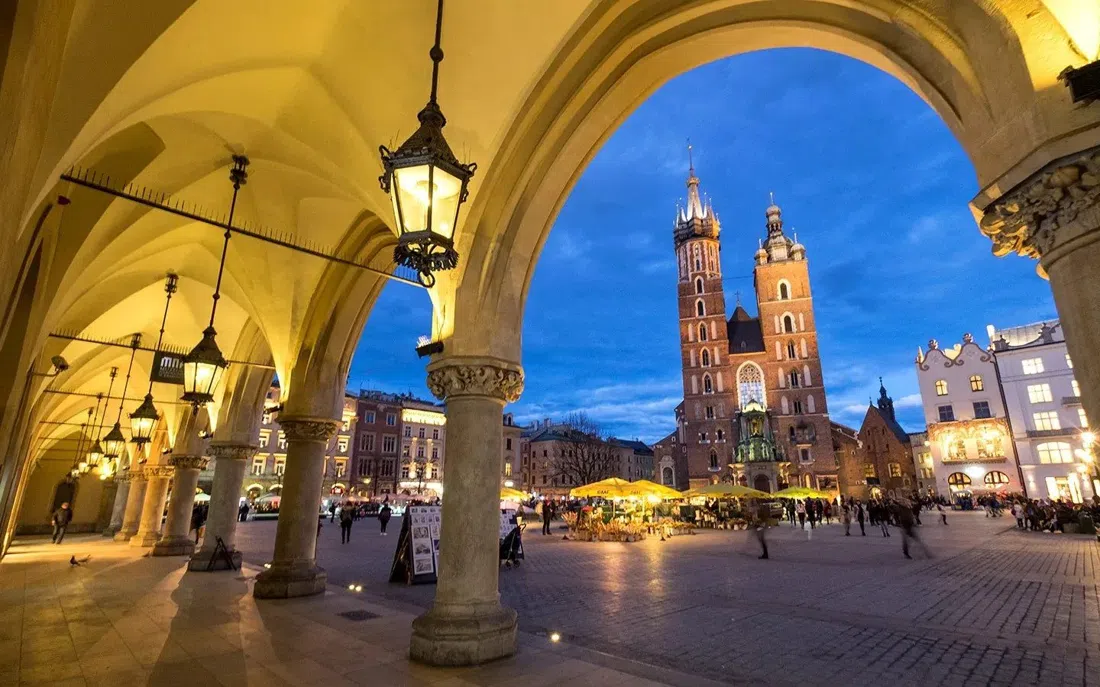
Window tables on the square
Eating within earshot is the simplest luxury in Krakow, and it depends entirely on which table you get. Szara (Rynek Główny 6) is in the 2026 Michelin Guide and close enough to the tower that the call cuts clean through dinner service. Mains run 80-150 PLN and dinner for two with wine lands at roughly 400-600 PLN. The square-facing window tables are the whole point, so ask for one explicitly when you book, and book well ahead; the vaulted rooms behind take groups and private dining, but they are acoustically sealed off from the thing you came for.

Restauracja Wentzl (Rynek Główny, east side) has been trading on the square since 1792 and opens 08:00-22:00, which spans the entire day this guide is built around, from breakfast under the 09:00 call through to one of the late ones. It is one house across several floors: a restaurant, a café-bistro and a patisserie, with mains 70-140 PLN and café items 25-45 PLN. Reserve the restaurant floor and ask for the upstairs window seats; the ground-floor café is pleasant, but you are looking at ankles and awnings rather than the tower.
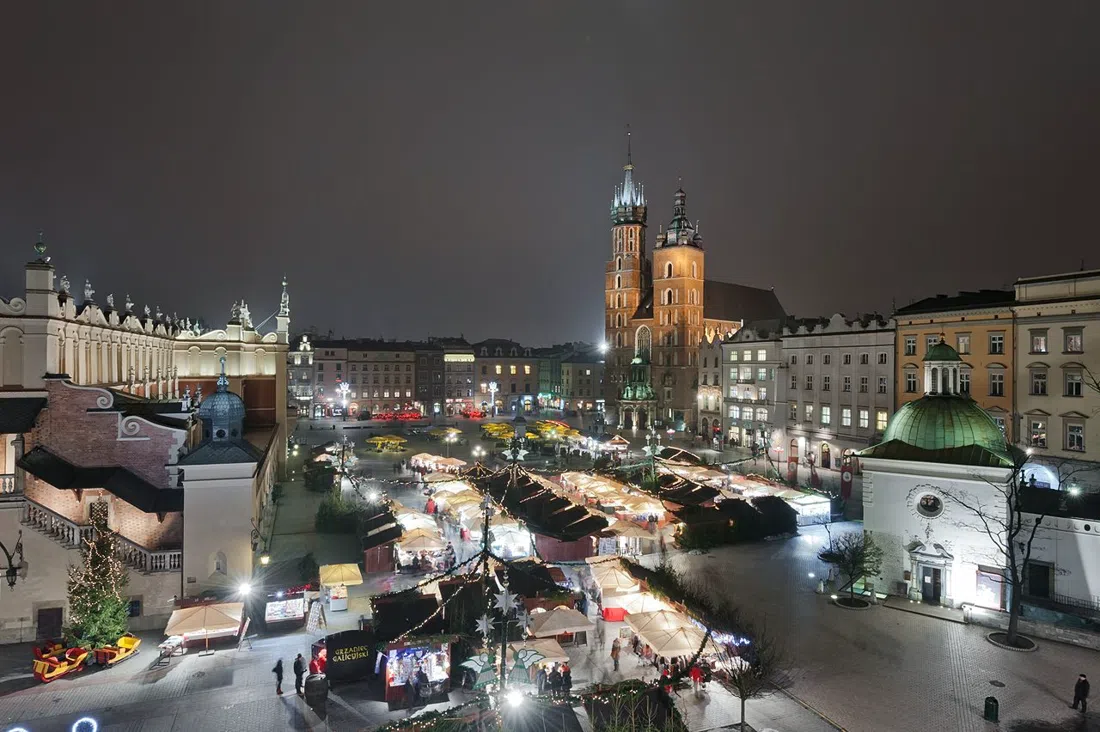
Floriańska, the trumpeter's own approach
The buglers reach the tower door on foot, and their street is Floriańska. Jama Michalika (Floriańska 45) opened in 1895 and became the home of Krakow's first satirical cabaret a decade later; acting and cabaret have returned to the back hall, so it is a working venue again rather than a preserved interior with a cover charge. Coffee and cake run 25-50 PLN, mains 50-90 PLN, and it opens from 09:00 daily. Groups are fine in the front rooms; book if you want the back hall on a performance night.
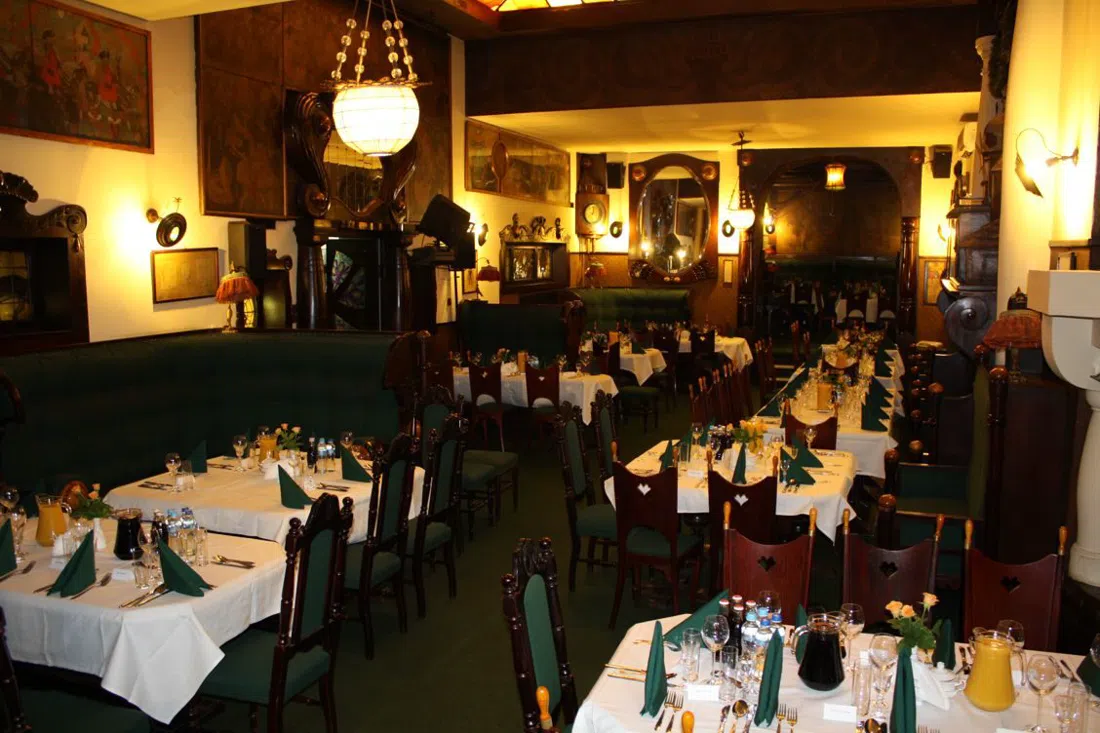
Pod Różą (Floriańska 14) is the other 2026 Michelin Guide entry on this walk, a hotel restaurant under a glazed atrium with mains at 90-170 PLN and a wine list past 300 Italian labels. It opens 12:00-23:00 daily, the atrium seats a sizeable party and private dining is available with notice. Sit here and you are eating on the line the trumpeters themselves walk, between the old firehouse tradition that supplies them and the tower that employs them.
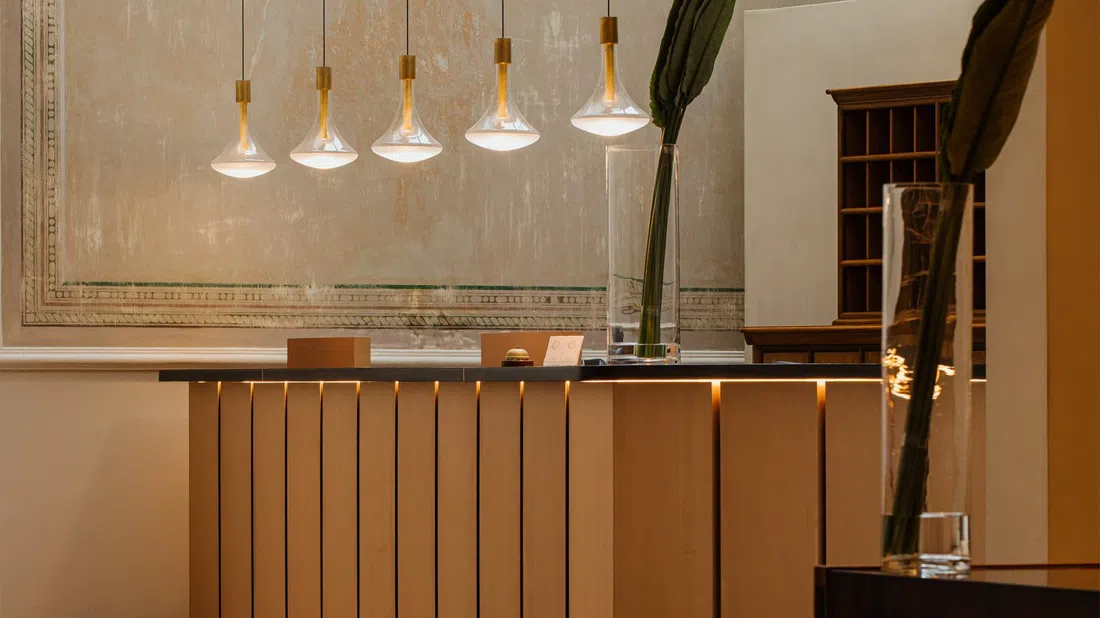
After the tower goes quiet at ten
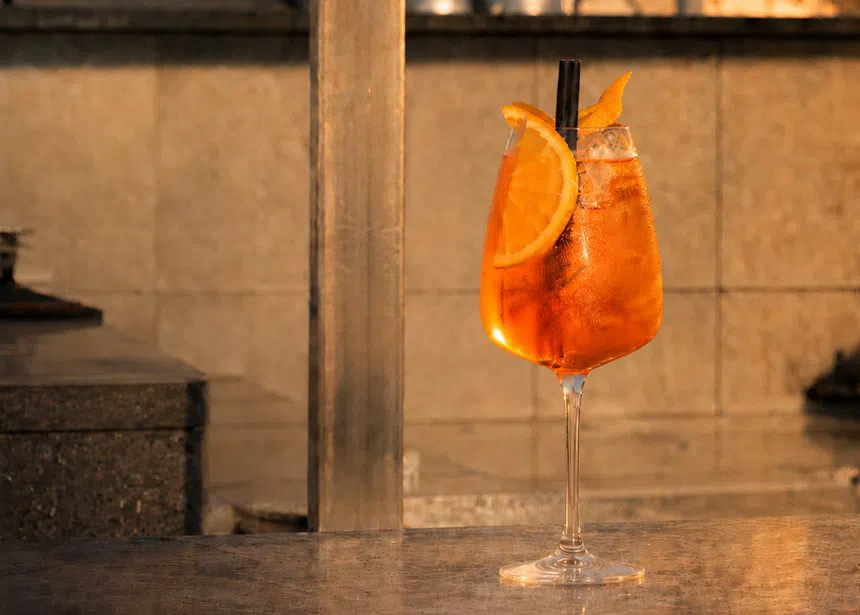
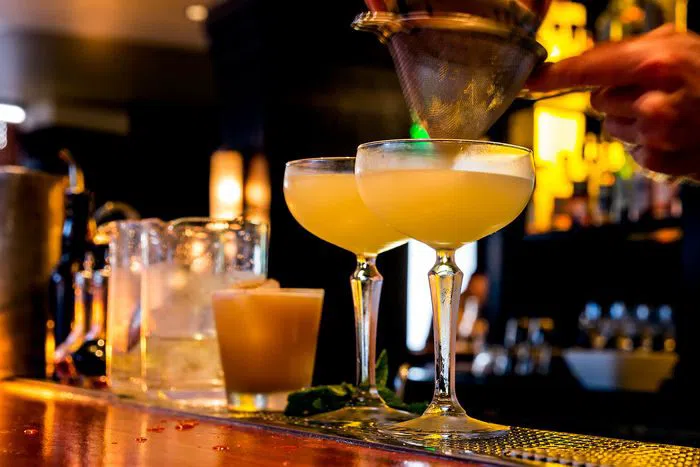
The last climb of the tourist day is long gone by 22:00, and the brass thread of the city is picked up indoors. Sky Bar at Hotel Stary (Szczepańska, a minute west of the square) is the closest you will get to drinking at the trumpeter's altitude, with cocktails at 45-70 PLN, walk-ins welcome and no hard door beyond hotel-bar dress sense. Reserve for parties over six. It is strictly seasonal, since the roof is usually shut through winter except for special nights, so confirm it is open before you plan an evening around the 21:00 call.
Piwnica pod Baranami (Rynek Główny, west side) has been performing since 1956 and still runs Saturday nights at 20:00, directly beneath the square the hejnał crosses. Tickets are roughly 80-150 PLN with the bar separate, seating is limited and shows sell out, so phone or book online well ahead. The performances are in Polish, so an international audience is there for the music, the room and the atmosphere rather than the lyrics.
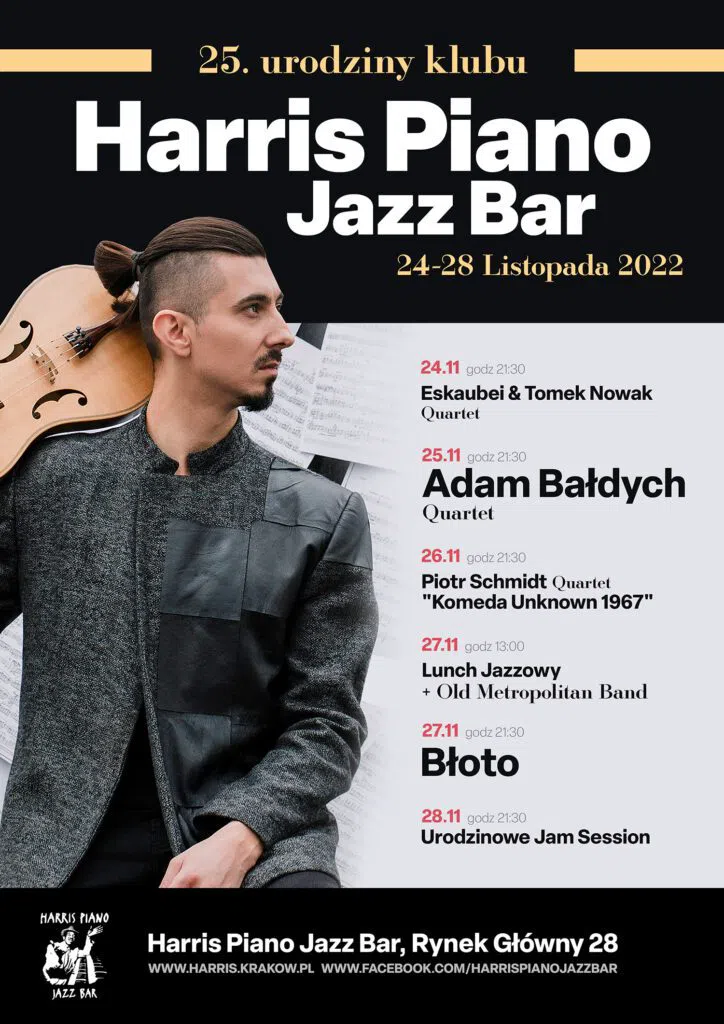
For the rest of the night, two jazz rooms. Harris Piano Jazz Bar (Rynek Główny 28) has live music every single night, free entry or a 20-40 PLN cover depending on the bill, drinks 20-35 PLN. Arrive an hour before the set if you want a table, because standing room fills fast, and reserve for a group. The jam sessions are the best value in the Old Town for live music. Piec'Art Acoustic Jazz Club (Szewska, a minute off the square) has been strictly acoustic since 1999, with a 30-50 PLN cover and drinks at 20-35 PLN. The room is small and comfortable for up to about eight; larger parties should book direct. It is the right closing note for a day spent following an unamplified instrument played to a whole city.
A day shaped by the hour
Start at 08:30 with breakfast upstairs at Wentzl and let the 09:00 call land while you are still on coffee. Join the 10:00 Walkative walk and stay with it until the 11:00 hour, by which time the tower has opened; if you queued at Plac Mariacki 7 first thing, this is your climb. Cross to the Cloth Hall roof for 12:00 and the radio hour, the one time of day you can hear all four directions turn with a full square beneath you. Lunch on the square, then drop into Rynek Underground for a timed afternoon slot and hear the call from beneath the stones. Krzysztofory Palace from 16:00 gives the whole thing context; Town Hall Tower, if it is open, gives you the long-distance version across the square. Dinner at Szara or Pod Różą, the former for the window, the latter for the wine list. Then the roof at 21:00 if the season allows, and Harris or Piec'Art until the brass runs out. Our full Krakow guide covers the districts beyond this one square.
Practical notes
The Old Town is walkable end to end in fifteen minutes and almost entirely closed to cars, so you will not need transport inside it; trams handle everything beyond the ring of the Planty gardens, and the train from the airport reaches Kraków Główny station in about twenty minutes, leaving a short walk to the square. Prices are in złoty and cards work nearly everywhere, but carry a little cash for the 2 PLN Cloth Hall terrace admission, for tips on the free walking tour, and for small covers at the jazz clubs.
On timing: the call plays all year, but the tower climb does not. Plan a tower visit between roughly May and October, on a Tuesday to Saturday, and have a wet-weather alternative ready because it closes in wind. Use the free days deliberately: Rynek Underground is free on Tuesdays, Town Hall Tower on Mondays, and the Cloth Hall terrace on Sundays and Mondays.
Budget, per person, for a full day built around the hour: about 60-80 PLN of museum and tower tickets if you pay full price, 60-80 PLN for a tipped walking tour, 100-150 PLN for lunch and coffee, and 150-250 PLN for dinner at one of the Michelin Guide addresses with a drink after. A leaner version (basilica interior, the free walks, the terrace on a free day and a jam session at Harris) comes in under 150 PLN and loses surprisingly little. For a base inside earshot of the tower, start with Krakow hotel search and filter to the Old Town; anything within the Planty ring will put the hejnał through your window, which is either the finest alarm clock in Europe or a reason to ask for a courtyard room.