
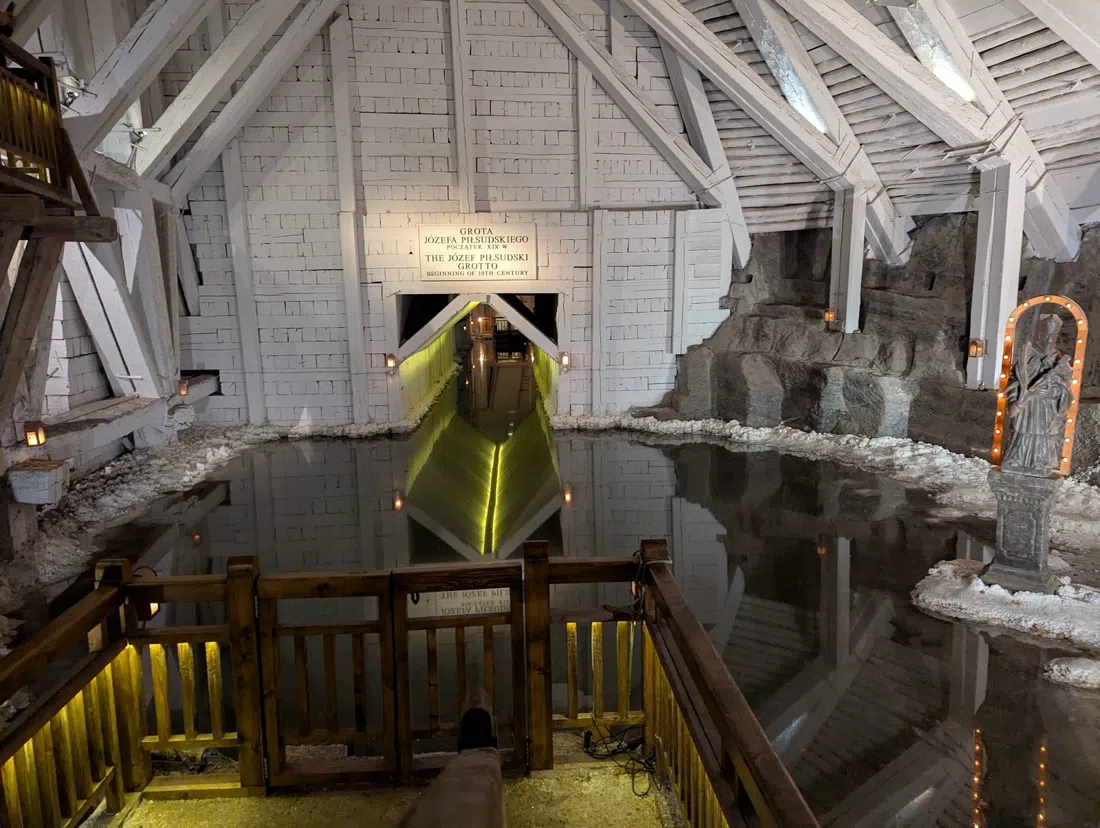
The descent begins in a wooden stairwell that folds back on itself so many times you stop counting, and the air turns cool and faintly saline long before the noise of the surface fades. A few hundred steps down, the walls stop being rock and start being salt: grey, glassy, polished smooth at handrail height by everyone who came before you. What waits below is not a cave but a carved town, with chambers the size of parish churches, standing water the colour of weak tea, timber scaffolding framed like a cathedral roof, and one chapel cut whole out of the seam.
What you actually walk through
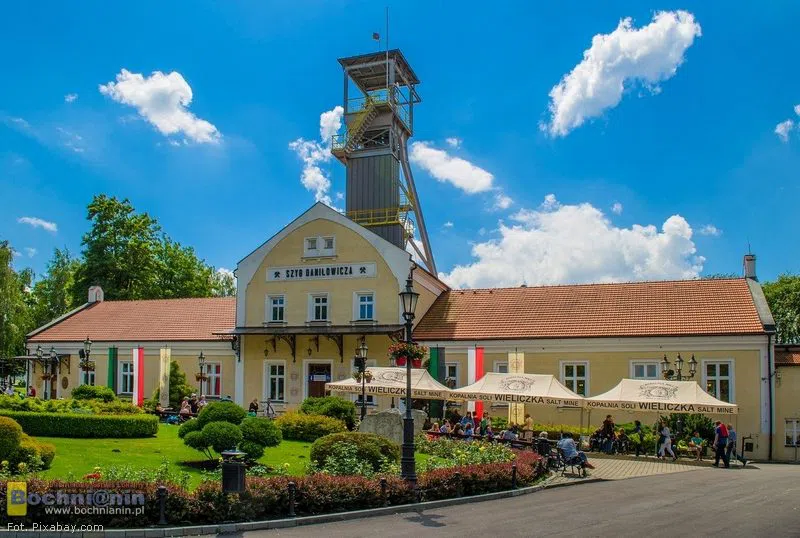
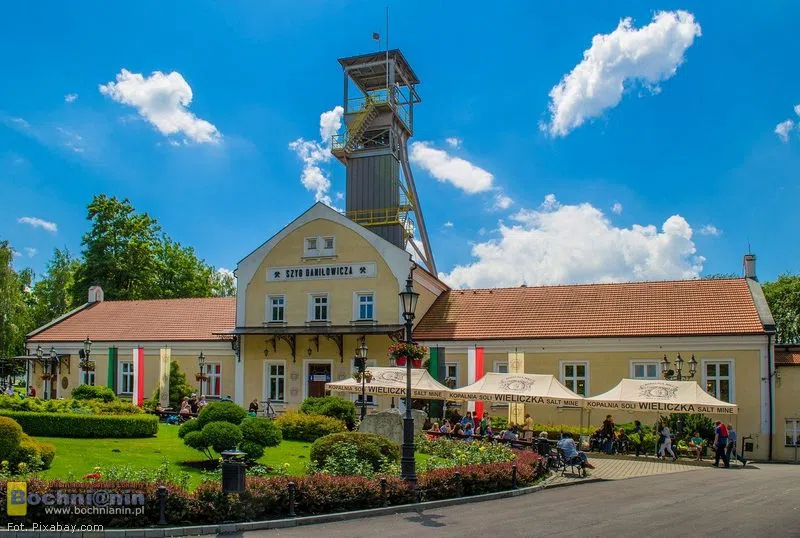
The Wieliczka Salt Mine — Tourist Route (Daniłowicz Shaft), at the foot of the hill below Wieliczka's upper market square, is about 3.5 km of walking across three levels, ending 135 metres below the surface. You go down on foot, more than 800 steps in the first stretch alone, and you come back up in a lift, which is the single most welcome fact in this article. The route is guided throughout, with departures in Polish, English, German, French, Italian, Spanish and Russian, and you move as a batch on a timed schedule. You cannot wander off and find your own way through.
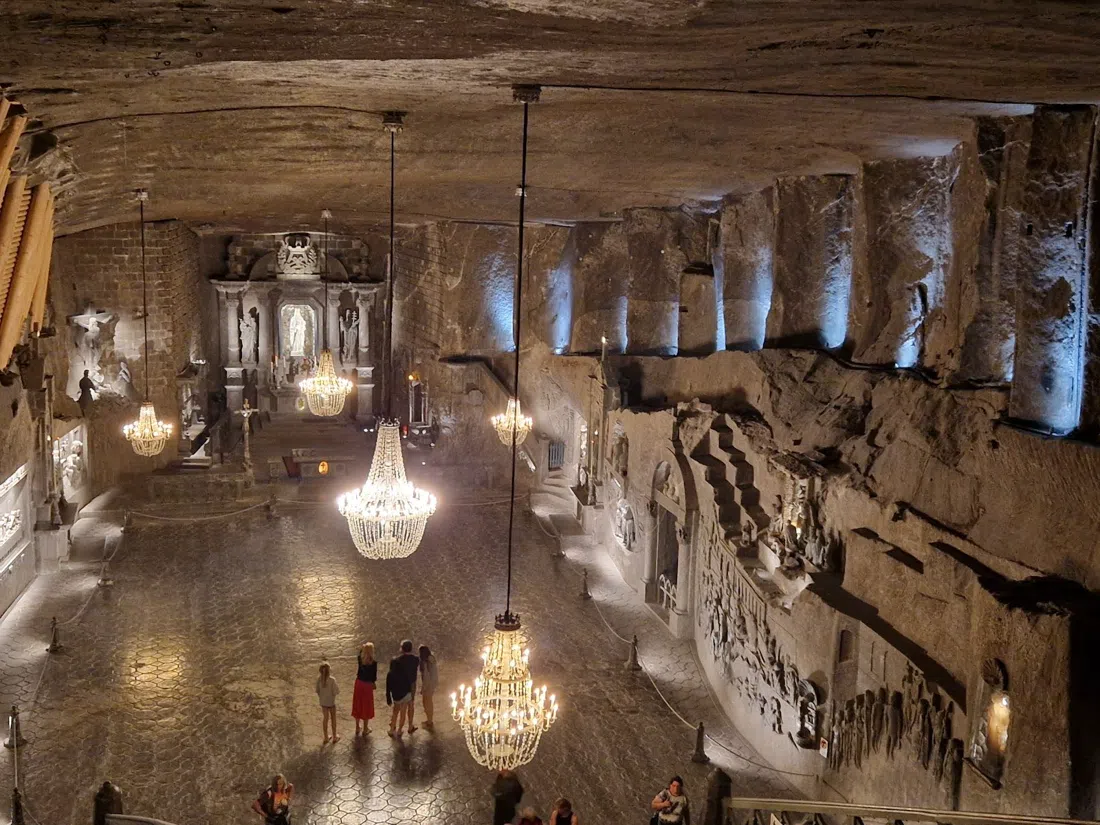
What you see divides about evenly between geology, engineering and devotion. There are chambers where the salt has been left rough and translucent, galleries shored with enormous pine beams that have been down here long enough to crystallise, and brine lakes lit from below. The centrepiece is the Chapel of St Kinga, a hall with a salt floor, salt altarpieces, low reliefs cut along the walls and chandeliers hung with crystal from the seam. Working miners carved it, not commissioned artists, across several decades from the late 1890s, in their own time at the end of their shifts. The mine was among the first sites inscribed on the UNESCO World Heritage list in 1978, and standing in that chamber it is obvious why: this is industrial archaeology that a parish would be proud of.
Be realistic about the crowd. This is one of the most visited attractions in the country and the corridors are narrow. Between roughly eleven and two you will spend a fair amount of the route looking at the back of someone else's head.
The hour most visitors skip
At the bottom of the tourist route, the Cracow Saltworks Museum — underground exposition, Level III occupies a run of chambers that most day-trippers walk straight past on their way to the lift. It is a separate institution from the mine company, but entry sits on the same timed ticket, and guides bring whole groups through as an add-on. It adds roughly an hour and about 1.5 km to your day.
Take it if you want to understand what you have just walked through. The tourist route shows you the spectacle; the museum explains the industry: the tools, the horse gins, the haulage, the fact that the Kraków saltworks were a crown monopoly and, in the fourteenth century, one of the single largest sources of royal income in Poland. Salt was the reason any of this exists, and this is the only place on the visit where that argument gets made properly. Skip it if you have restless children or a train to catch; by then you will have been underground for two hours already.
How long it takes and how much of it is stairs
Budget two to three hours underground for the tourist route alone, three to three and a half if you add the museum, and another half hour for the shaft, the lift queue and getting your bearings at the surface. The temperature sits at a steady 17°C year-round, which in July feels like relief and in January feels like nothing at all. But it is 17°C for three hours with no sun on you, so bring a light layer even in high summer. Shoes matter more than clothes: the steps are wooden, worn and occasionally damp.
If the idea of a shuffling column of visitors puts you off, the same operator runs the Miners' Route from the Regis Shaft as a hands-on alternative: overalls, lamps, tasks, a smaller party, minimum age 10, and a slightly cooler 15°C. It is the same mine approached differently rather than a separate attraction in another part of town, and it suits confident older children and adults who would rather do something than be shown something.
Tickets, doors and the case for booking ahead
At the door or through the mine's own ticketing, the tourist route is 143 PLN for an adult, 121 PLN reduced and 430 PLN for a family of two adults and two children, roughly €33 a head. Combined tickets that include the underground museum run from 82 to 143 PLN depending on category. Ticket desks and last entry work to a 9.00 to 17.00 window, and you are asked to be at the shaft fifteen minutes before your slot.
You can turn up and buy on the day, and out of season you will usually get on a tour within an hour or two. The catch is that everything here is a timed departure with a fixed capacity, so "tickets available" and "tickets available at the time you want, in your language" are different propositions. Organised groups book their own slot and their own guide well in advance, and they are occupying the same schedule you are trying to join. Guided trips out from the city run seven days a week, and the popular full-day options are flagged as likely to sell out; between them, the bookable tours here carry 14,252 traveller reviews, which tells you plainly how much of the mine's daily capacity is spoken for before anyone walks up to a window. Book a slot ahead if your day has any other fixed point in it.
The rules that catch people out
Hand luggage only, to a maximum of 35 × 20 × 20 cm. No cloakroom here will make a cabin-sized wheelie bag work, so do not arrive straight from the station with your luggage. Personal photography is fine throughout; commercial use needs written consent. The mine closes on 1 January, Easter Sunday, 1 November and 24 to 25 December, and those closures are absolute, not reduced hours.
On access: the descent is stairs only, and there are more than 800 of them before the route levels out. The return is by lift. Anyone with knees, hips or a heart condition that makes a long, steady, repetitive descent unwise should treat that honestly rather than optimistically, because three hours underground is a long way from a taxi.
Lunch at the bottom and dinner back on the surface
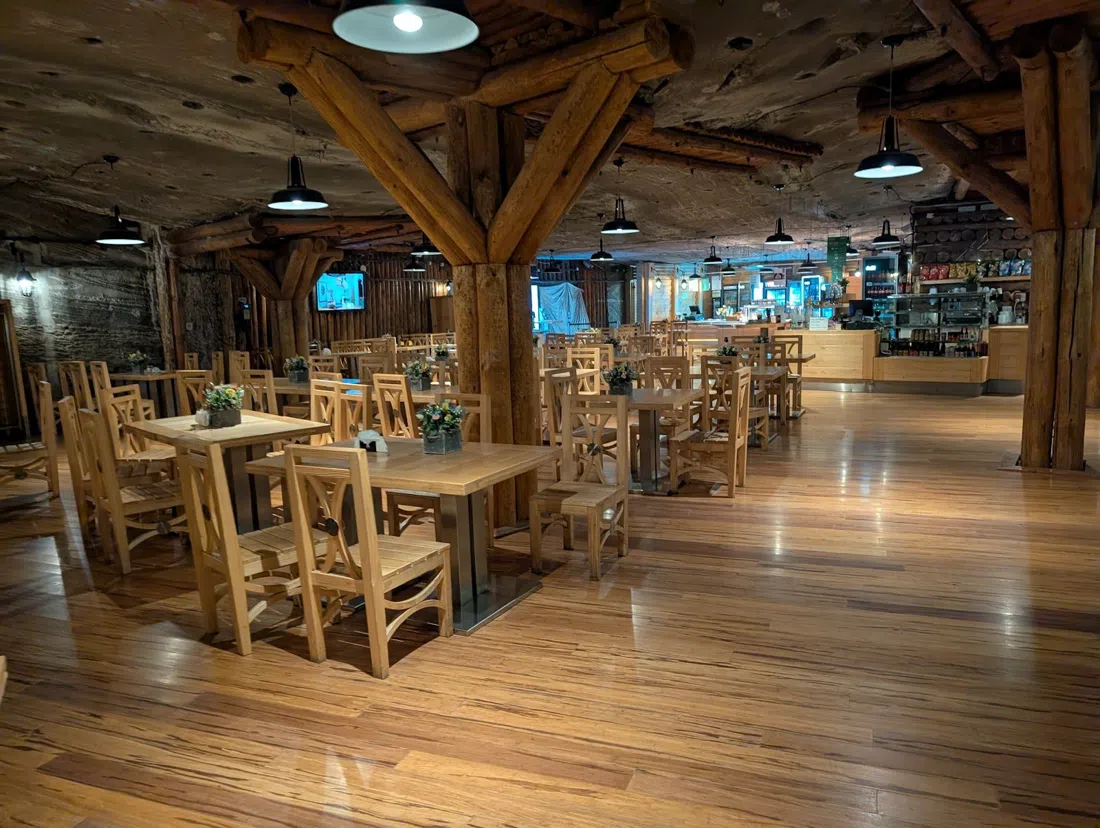
Karczma Górnicza, in the Budryk Chamber near the end of the route, is billed as the deepest restaurant in the world, and whatever you make of that claim it is genuinely 135 metres down and genuinely where everybody eats. Organised groups pre-order through the mine's own form; independent visitors are served from the buffet. Expect roughly 40 to 80 PLN for a main plus soup, and expect honest canteen Polish cooking rather than a meal you will talk about later. Eat here for the novelty and the timing, not the plate.
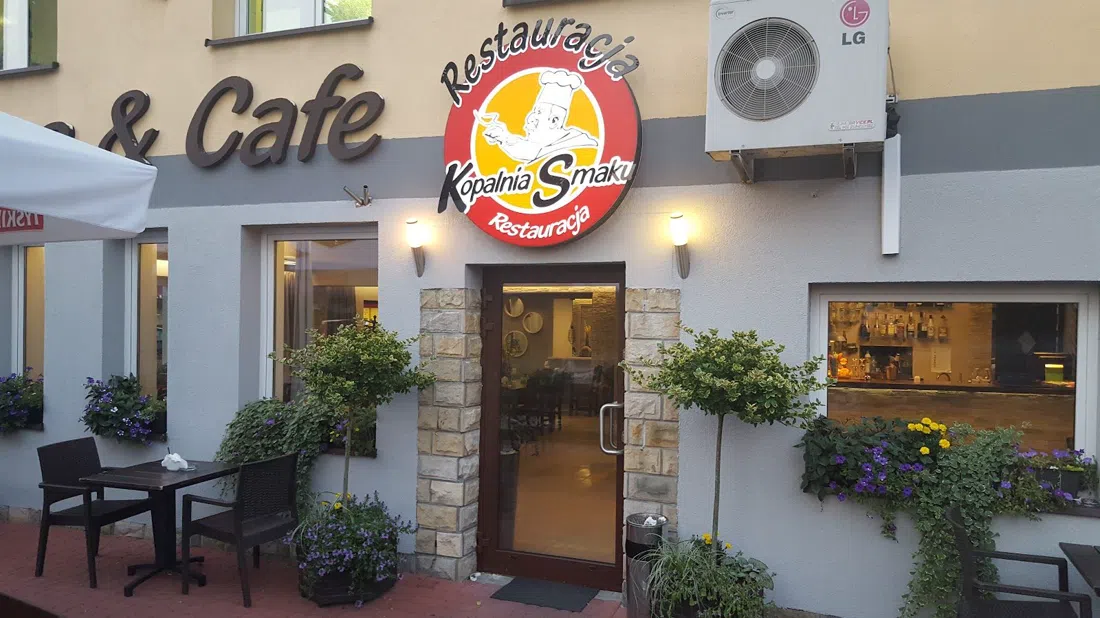
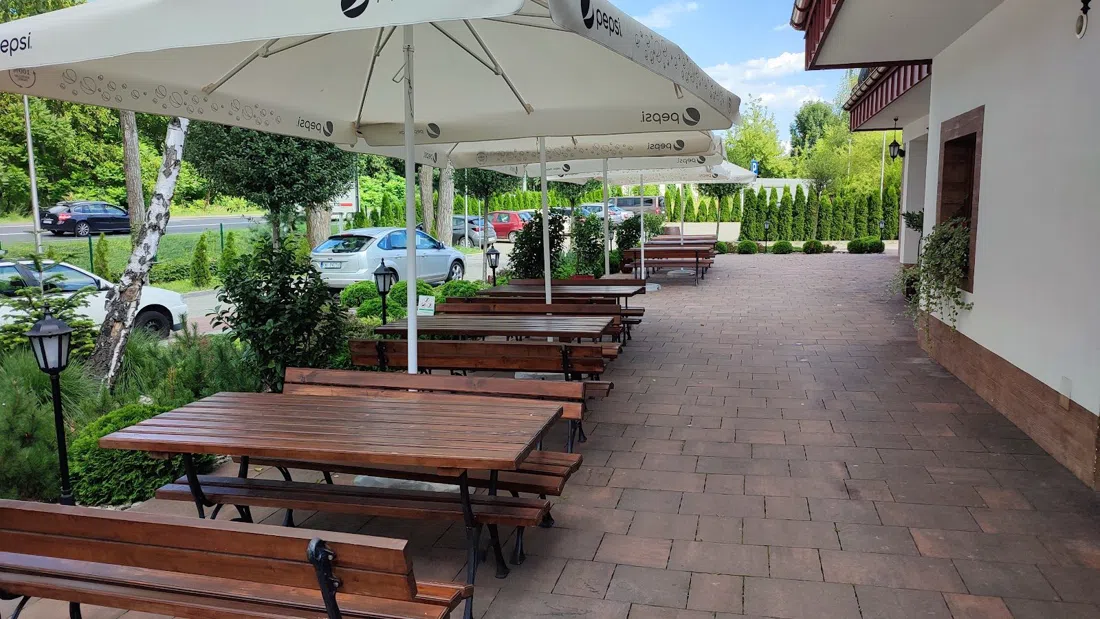
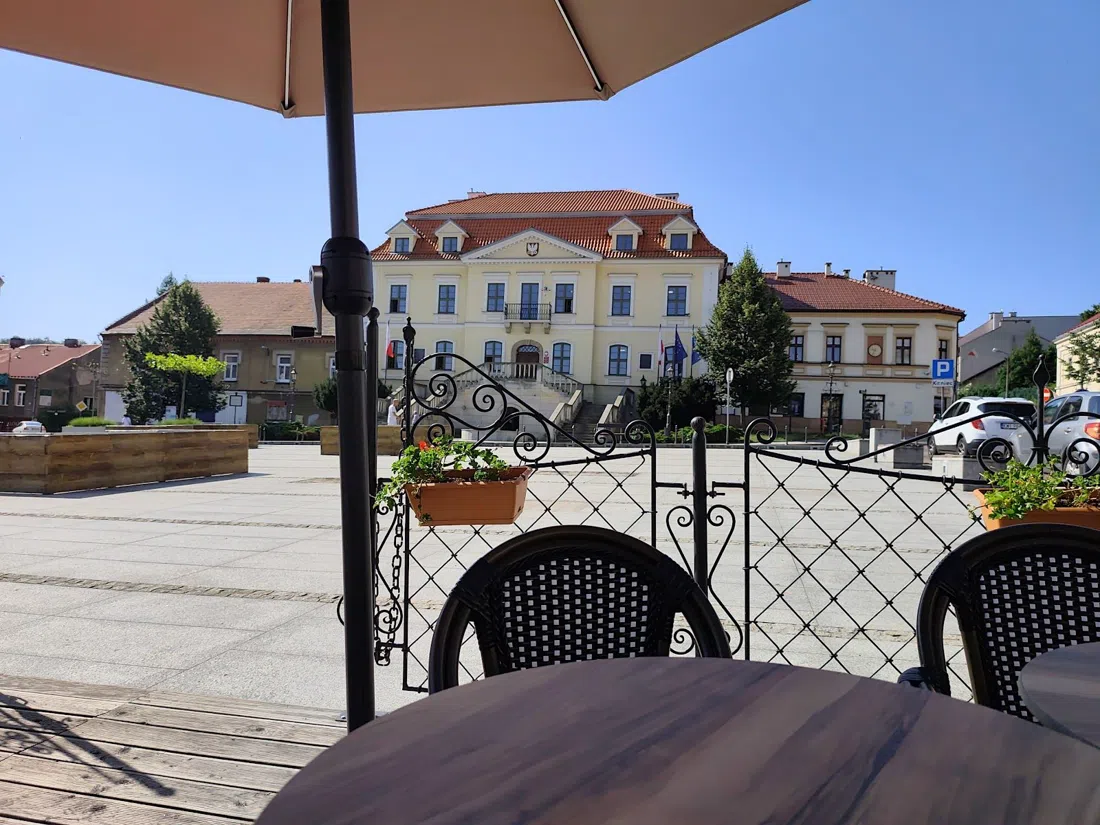
Back at the surface, Karczma Pod Wielką Solą is the town's longest-running restaurant and brews its own beer, with two air-conditioned rooms and a large covered garden. It is the one place near the shaft where twelve people can sit down together without it feeling like a coach stop. Reserve, because the local trade fills it too. Mains run about 45 to 80 PLN. Restauracja Kopalnia Smaku, near the mine bus stop, is the pragmatic fallback: pizza for children who have had enough of żurek, 35 to 70 PLN a main, group bookings taken. Its posted hours vary between sources, so ring ahead if you want a late sitting. For a wait rather than a meal, Rynek Cafe on the upper market square does specialty coffee and cakes baked that morning for well under 40 PLN. It is a small room, a pair or a group of six at most, and it is a recent opening, so confirm hours if you are building a plan around it.
Thirty minutes of salt air while you wait
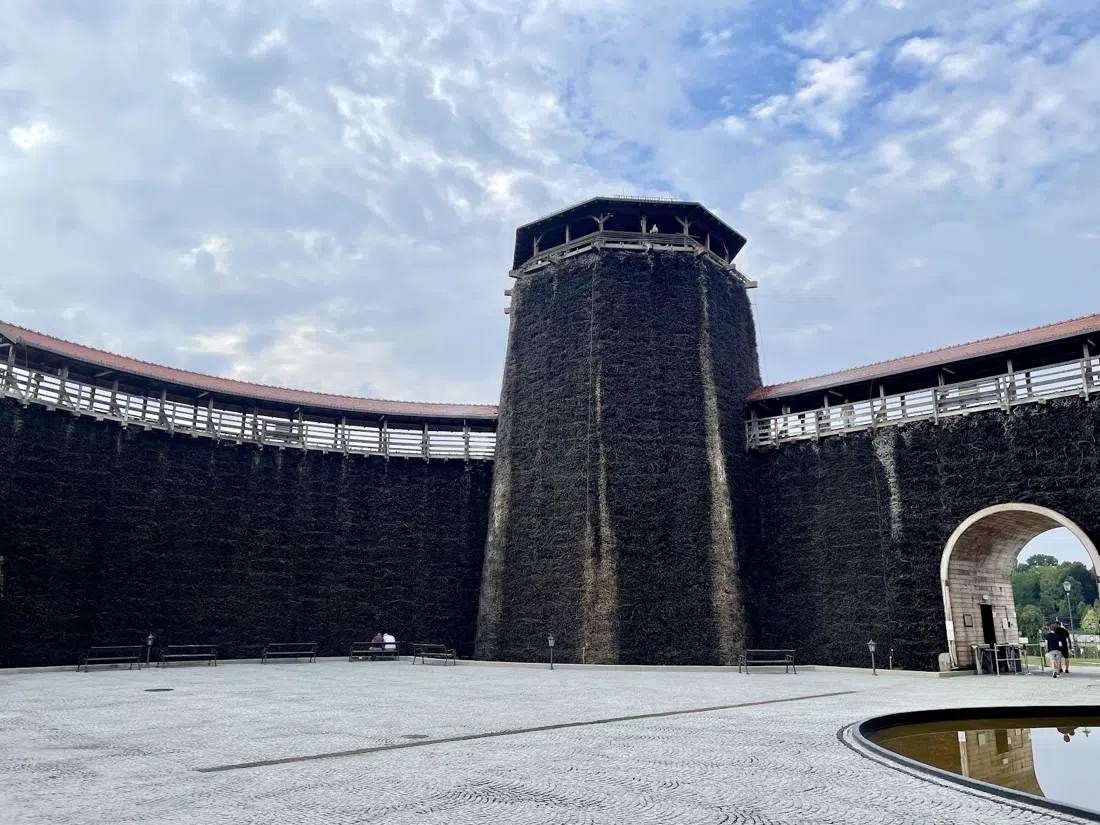
If you arrive early for a slot, walk two minutes to the Brine Graduation Tower (Tężnia Solankowa) in Park św. Kingi, right beside the Daniłowicz Shaft. Brine trickles down walls of brushwood and throws a fine salt mist into the air; you walk the circuit slowly, breathe, and come out feeling like you have been at the coast. Entry starts from 10 PLN, it opens daily from 09:00 with last entry at 19:00, and it holds fifty people at a time, so a full coach gets split into waves. It closes at short notice in storms or hard frost. The park is named for Kinga, the Hungarian-born duchess who became the miners' patron saint and whose legend has her engagement ring turning up in the first block of Wieliczka salt ever cut. Hers is the chapel you will stand in an hour later.
Uphill to the old town
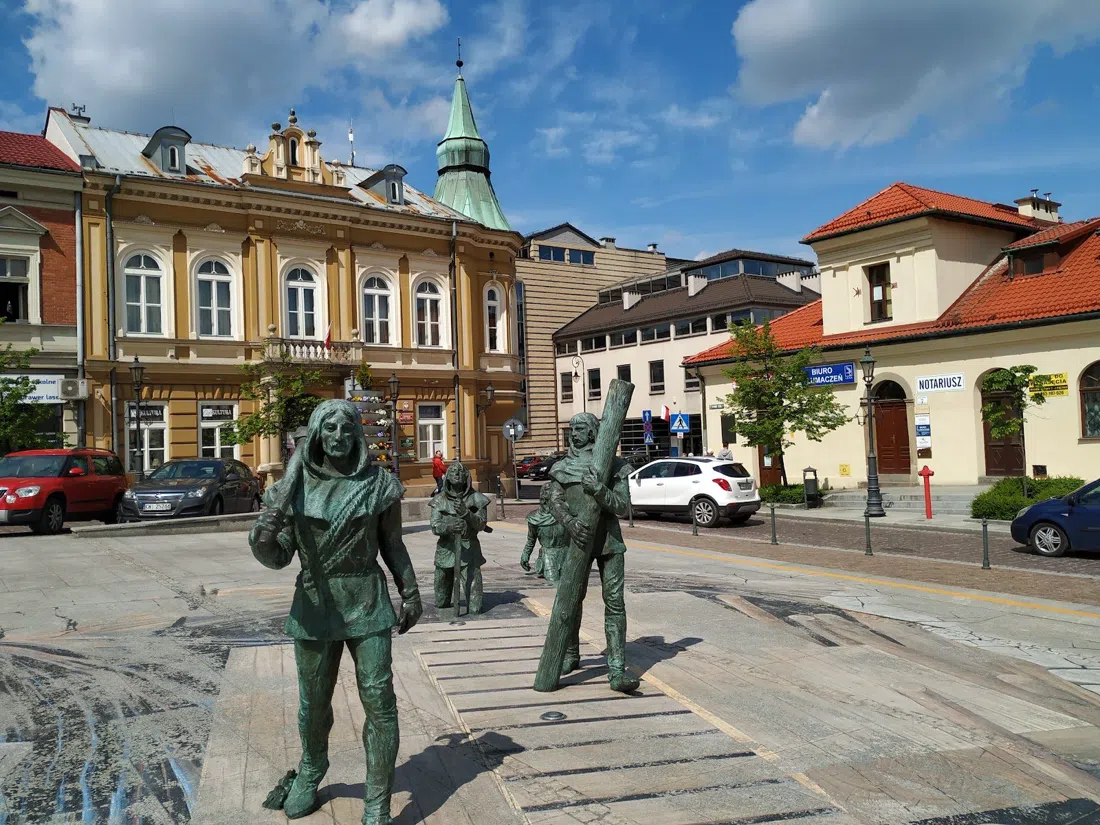
Ten minutes uphill from the shaft, Rynek Górny (Upper Market Square) is an open public square with no door policy and no admission, and it is the obvious way to turn the mine into a half day rather than a two-hour errand. One warning: the Saltworks Castle on its edge, for centuries the administrative seat of the royal salt monopoly, is shut for restoration with reopening planned for the end of 2028, so do not build a visit around it.
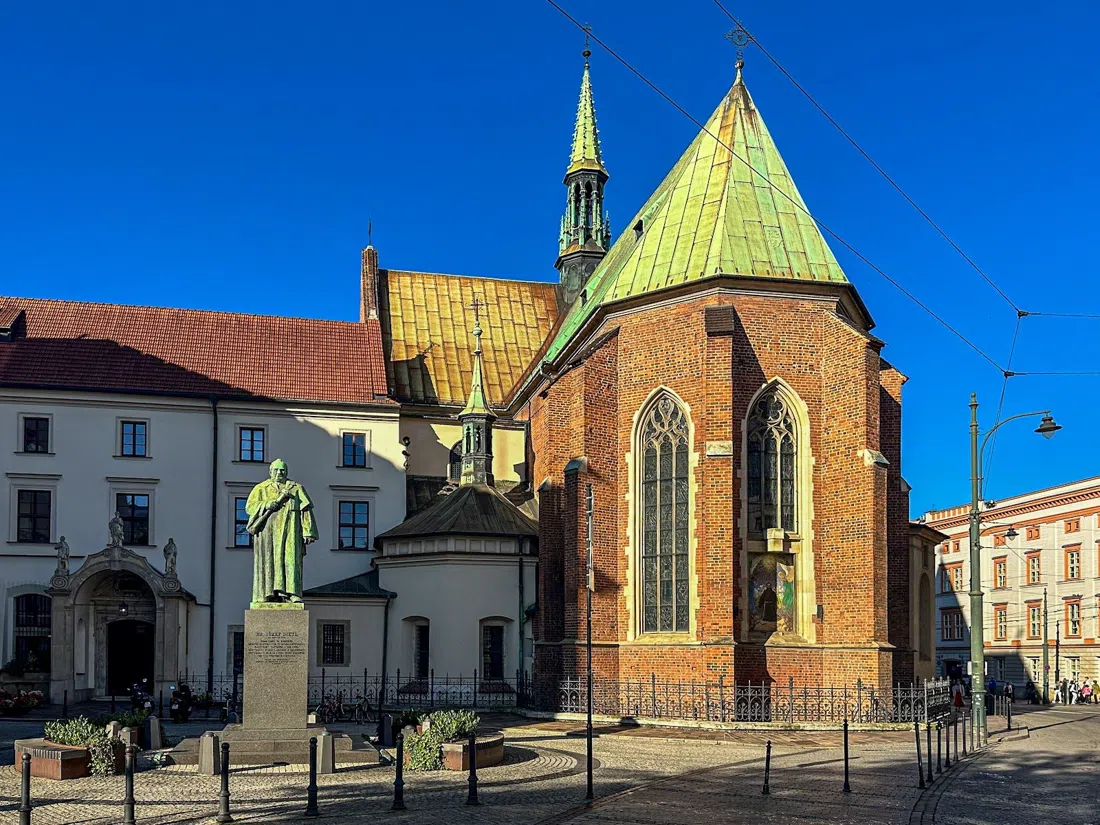
From the square, two churches are worth the detour. St Clement's Church, a working parish just off the centre, is dedicated to the miners' patron saint, which ties it directly to everything you have just seen underground. It is free to enter, with a small charge for the crypt exhibition. Check Mass times before bringing a group, and keep quiet if you arrive during one. A little further out, the Franciscan Reformati Church and Monastery (Sanctuary of Our Lady of Grace) is the quietest thing in town. The Reformati were a stricter branch of the Franciscans whose houses were built plain by rule, and it shows. Pilgrimage groups are its core business and secular visitors are welcome if they behave like guests. Entry is free.
The mine's other job
The Wieliczka Salt Mine Health Resort, on Level III, is not sightseeing and should not be booked as if it were. The mine's air is allergen-free and mineral-rich, and it is sold as timed underground therapeutic sessions and stay packages for people with respiratory conditions, booked separately from the tourist ticket. Capacity is fixed and small groups and families are accommodated; a coach party is not the format. If you or a child has asthma, it is worth knowing this exists. If you are here for the chapel photograph, it is not for you.
A day trip that works with children
The honest problem with Wieliczka and children is that 800 steps and three hours of listening is a lot to ask before lunch. The municipal answer is Solne Miasto Educational and Recreation Centre, a pool and sauna complex built for schools and clubs and entirely used to handling groups. Standard entry is well under 50 PLN, the pool runs 06:00 to 22:00 daily, and the saunarium opens weekday afternoons and all weekend. Mine in the morning, water in the afternoon, and nobody melts down on the train back.
Sleeping at the shaft
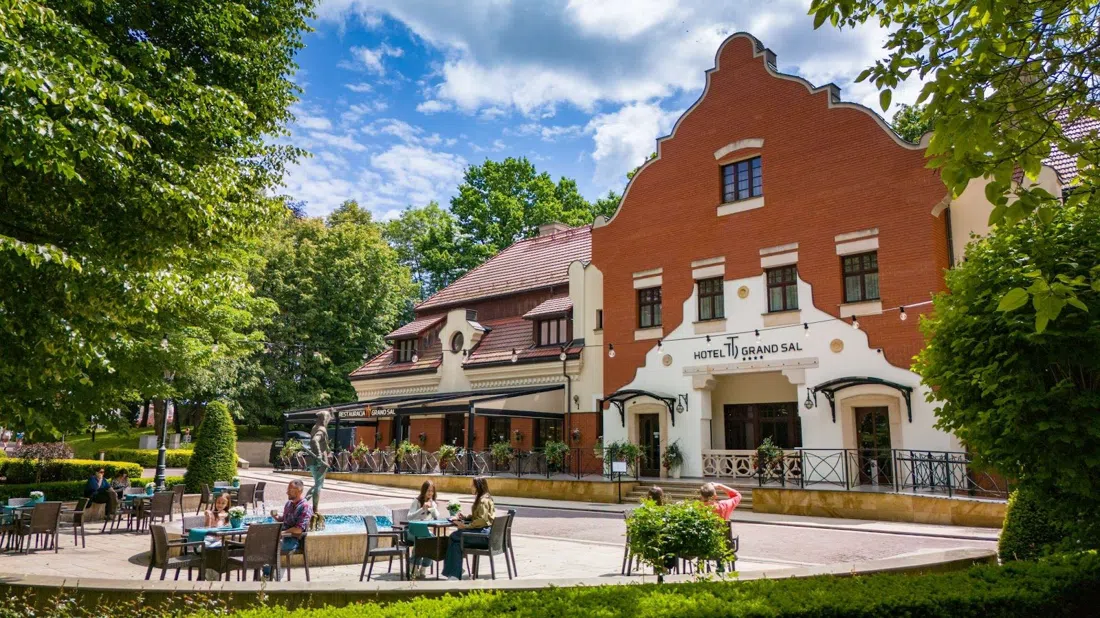
Almost everyone does this as a day trip from the city, and almost everyone is right to. The one real argument for staying out here is the first tour of the day: Hotel Grand Sal sits by the shaft, has two conference rooms and access to the mine's underground chambers for events, and charges four-star rates well below the equivalent in the city centre. If you want the chapel with thirty people in it instead of three hundred, sleeping at the shaft is how you get it. Otherwise base yourself in town and compare rates through the Krakow hotel search, which buys you better evenings and a twenty-minute commute.
Is it worth it
Yes, with conditions. It is worth it if you have any interest in how things were built, if you want one piece of the region's history that is not sombre, or if you are travelling with children old enough for the stairs and young enough to find an underground lake genuinely astonishing. It is worth it in bad weather, when it is the best-value indoor half day in reach of the city.
It is not worth it if you cannot manage a long descent, if being shepherded in a timed column will spoil it for you regardless of what is at the end, or if your trip is already short and you would rather spend the hours in the old town. And it is worth less than it should be if you go at midday in August without a booked slot: the chambers are extraordinary, the crush is not, and the difference between the two is entirely a matter of when you go down.
Best time to go
The first departure of the day is the answer to almost every complaint people have about this place. Take the earliest slot you can get and you walk a route that is quiet, cool and properly lit rather than a corridor of phone screens. The second-best option is the last couple of hours before the 17.00 last entry, when the coaches have gone.
Midweek beats the weekend everywhere and always. Tuesday to Thursday outside the school holidays is the sweet spot; Saturdays, Polish public holidays and the long weekends around 1 May, Corpus Christi and All Saints are the worst of it. Seasonally, late April to mid-June and September into October give you the best combination of availability and a pleasant surface town to walk around afterwards. It is 17°C down there whatever the calendar says, so you are optimising for crowds and for what you do before and after. July and August are the peak, and rain makes it worse rather than better, because everyone in the city has the same weatherproof idea at the same moment. December is quieter than you would expect between the closure dates, and the chapel at low season with a small group is the version of this place people describe when they say it stayed with them.
Practical notes
Regional trains from the main station run to Wieliczka Rynek-Kopalnia in a little over twenty minutes and drop you a short walk uphill from the square and downhill from the shaft; city buses from the centre take longer but run frequently. Driving is possible and parking exists, but it is the least good option on a summer weekend. For the wider trip, the Krakow guide covers where to base yourself.
Prices are in złoty. Cards work at the mine, the restaurants and the pool, but carry a little cash for the crypt exhibition at St Clement's and for the graduation tower. A straightforward adult day comes to about 143 PLN for the route, 40 to 80 PLN for lunch underground and 10 PLN for the salt-air walk; a family of two adults and two children can do the route for 430 PLN.
Allow half a day minimum and a full day if you are adding the museum, the square and the pool. Be at the shaft fifteen minutes before your slot, carry nothing bigger than 35 × 20 × 20 cm, and remember the mine is shut on 1 January, Easter Sunday, 1 November and 24 to 25 December. Everything else here (the tower, the square, the churches) is walk-in, which makes them the right things to schedule around one fixed underground hour.