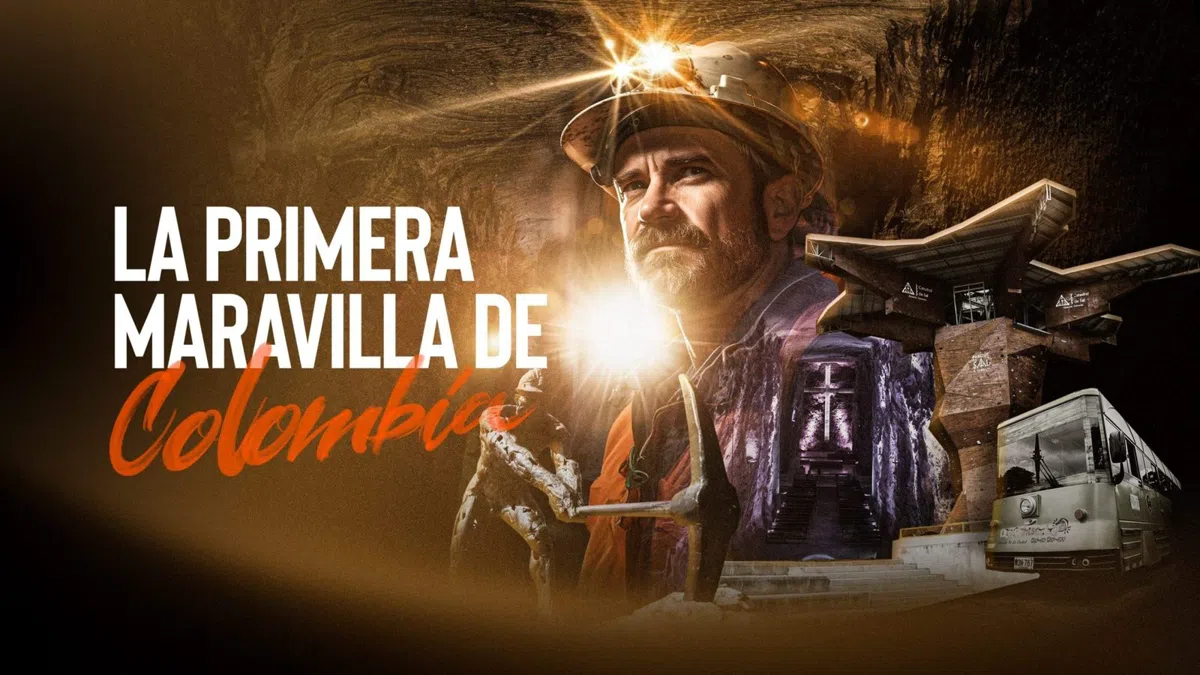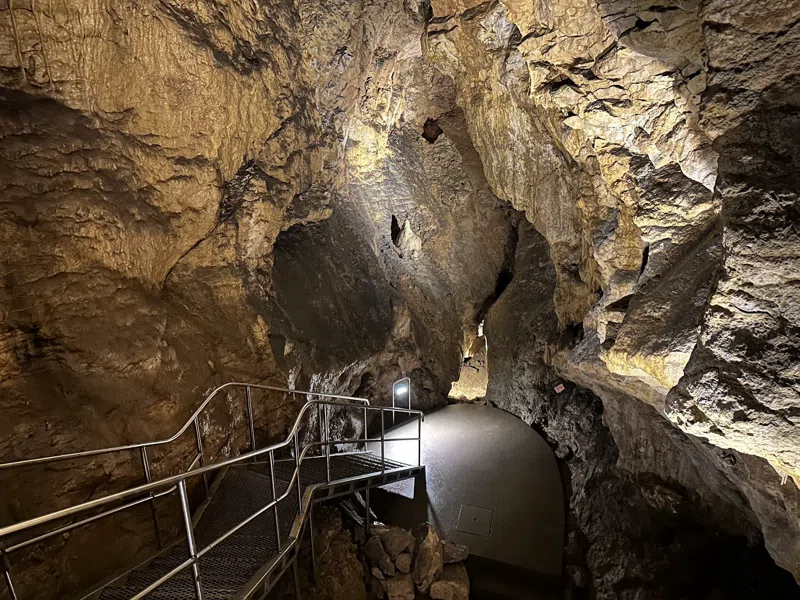

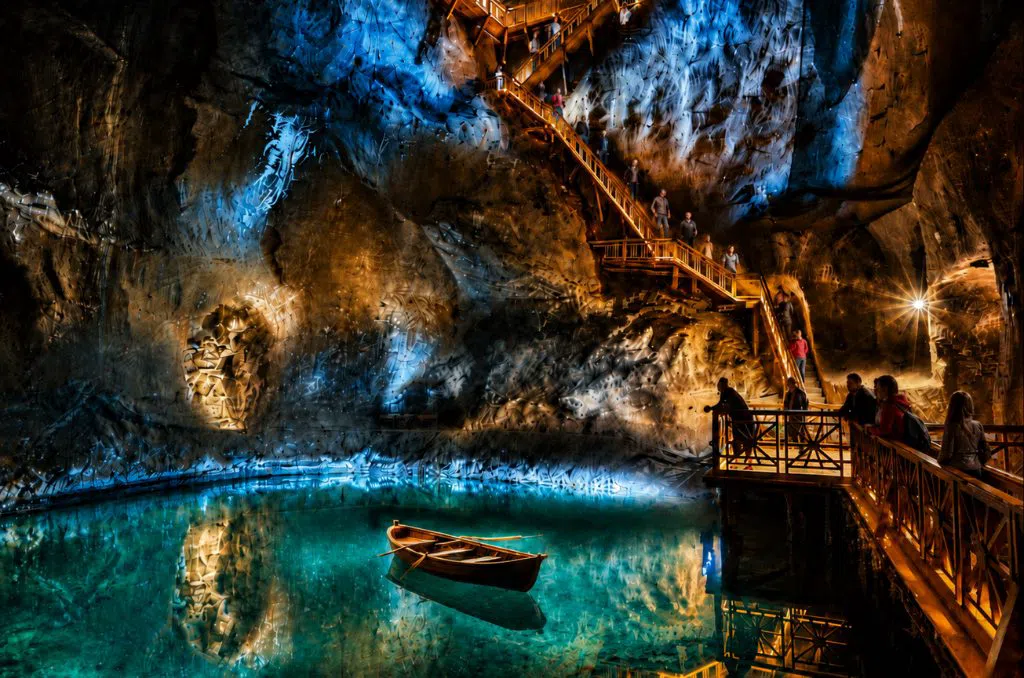
Nine hundred metres is not an extreme depth as mines go, but it takes the better part of an hour of walking to get there, and by the time daylight has receded into memory, the ordinary rules of a city visit stop applying. The chandeliers overhead are salt. The flagstones underfoot are salt. The Madonna in the wayside altar was carved out of the wall she stands in by someone who worked here for a living, not for art's sake. Wieliczka has been mined without interruption since the 13th century, so the galleries a visitor walks today were dug for commerce, and the chapels, sculptures and lake along the way are what generations of miners left behind between shifts. Nowhere else near Kraków gives you this particular sensation of time and depth at once.
Nine centuries of tunnels: the Tourist Route
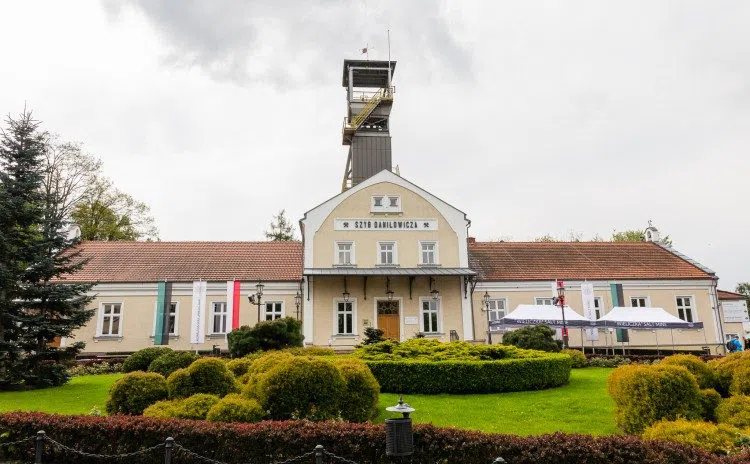
Wieliczka Salt Mine, in the town of Wieliczka itself, ten kilometres southeast of Kraków's Old Town, is the reason most visitors come out this way at all, and it earns the detour on its own terms rather than on Kraków's coattails. The Tourist Route is a single, fixed path through around twenty chambers and roughly three kilometres of the upper levels, reached by 380 wooden steps down the Daniłowicz Shaft (a lift brings you back up, which matters more than it sounds like it should by the end). Along the way is the lake — brackish, still, lit just enough to show its edges — and a run of galleries that function as an accidental museum of mining technique, horse-powered winding gear included, since the pit ponies that hauled salt underground sometimes never saw daylight again once they were lowered in.
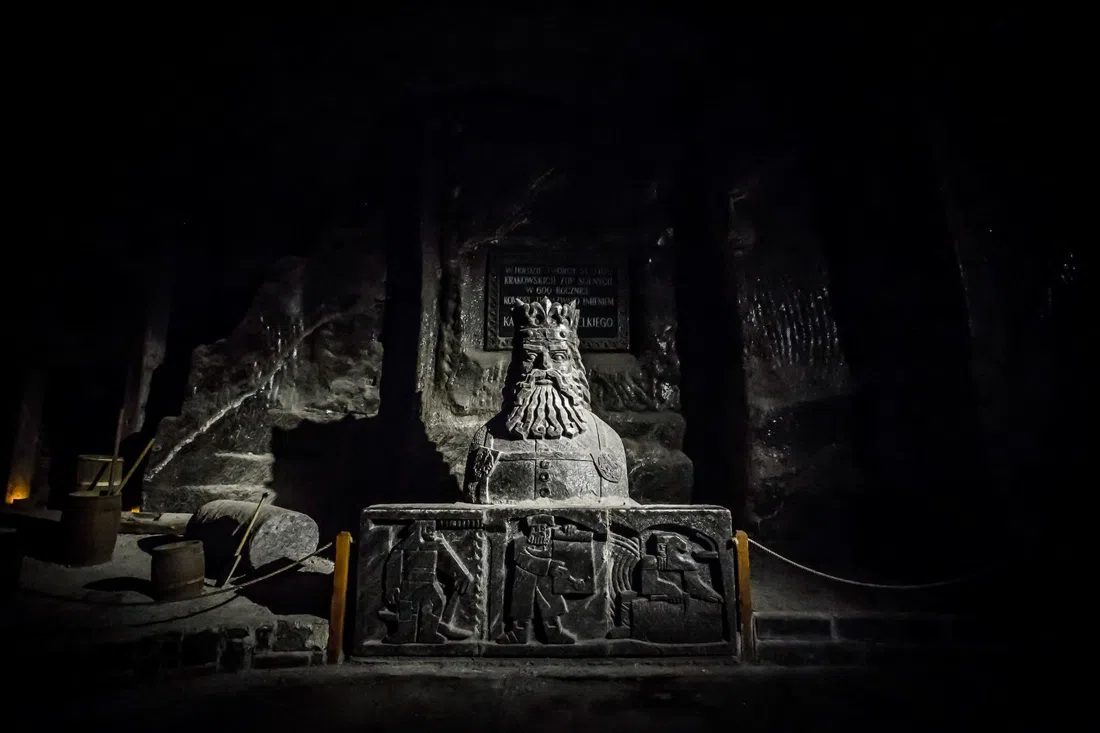
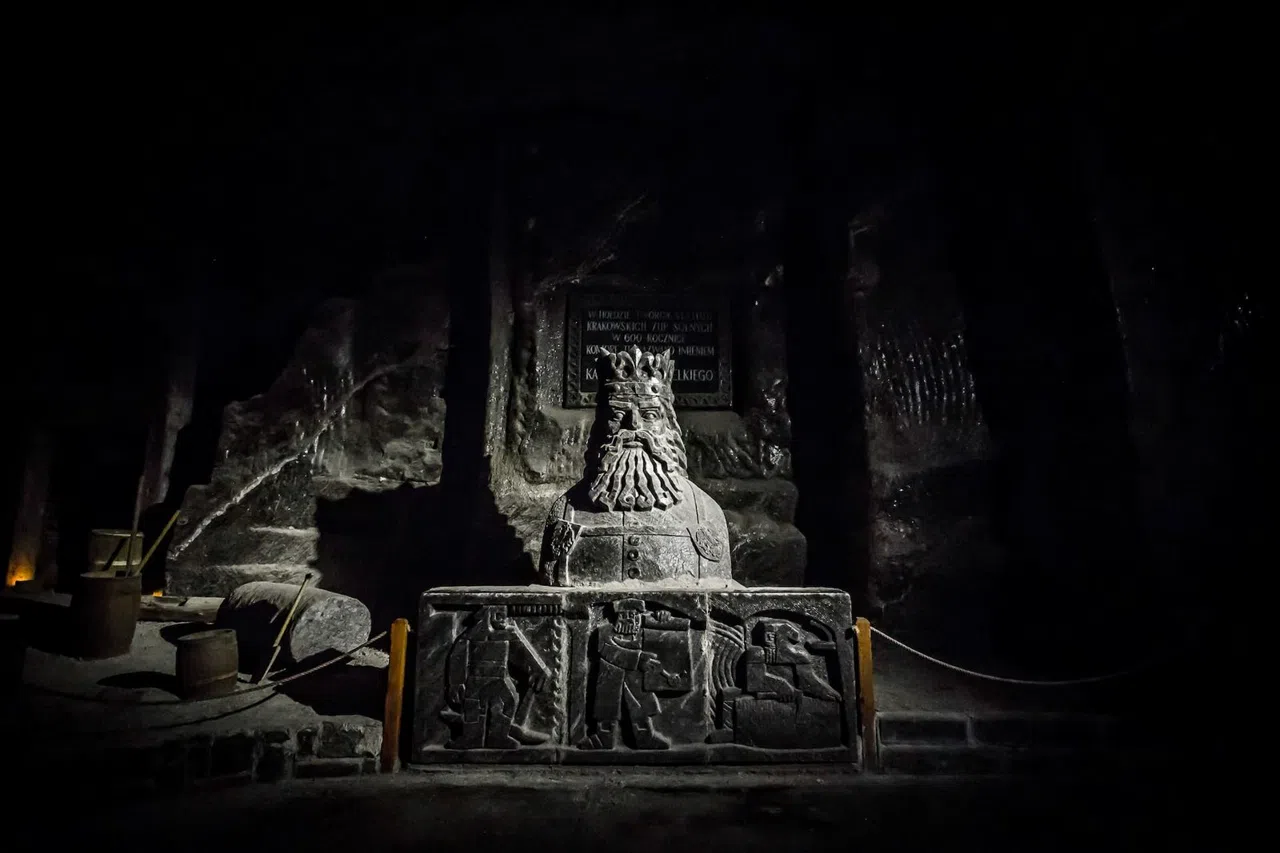
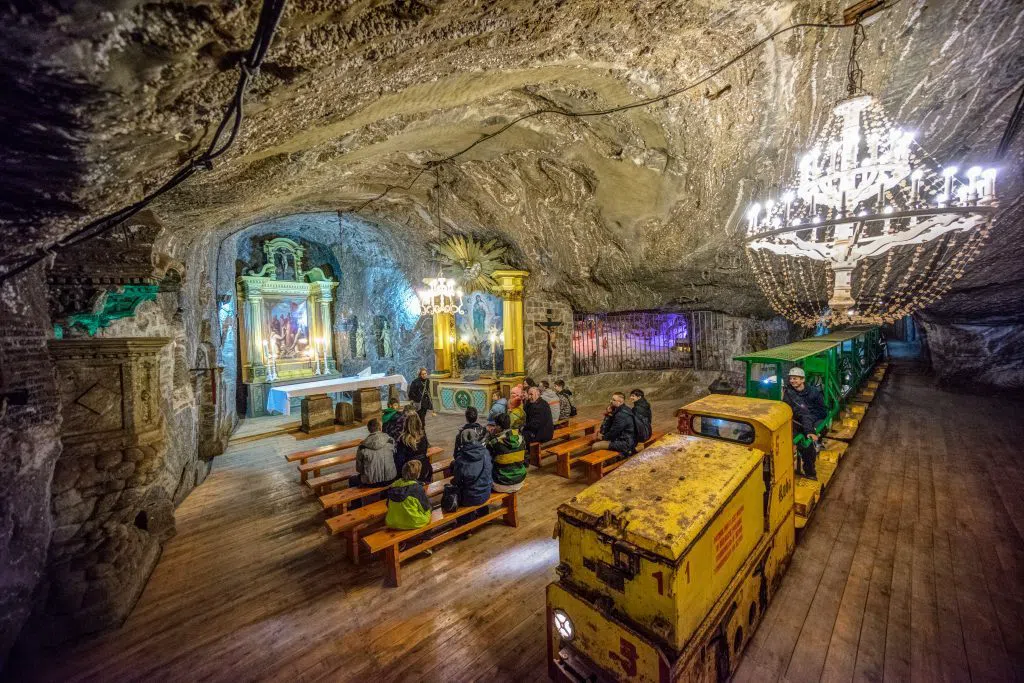
The chapel is the reason people who've never been to Poland have still seen a photograph of this place. St Kinga's Chapel took three miner-sculptors, working mostly the Markowski brothers, from 1896 to 1963 to complete, and every relief, chandelier and floor tile in it is salt cut from the mine's own walls, not brought in. The legend attached to the site — that Hungarian princess Kinga threw her engagement ring down a mine shaft before leaving for Poland, and it turned up embedded in the first block of Wieliczka salt ever extracted — is the kind of story a mine tells about itself, but the chapel it inspired is not folklore; it's a working place of worship that still hosts services and, occasionally, weddings.
Book ahead, and book the English-language slot specifically. Tours depart every 30 minutes between 9am and 3pm, standard groups run up to 25 to 30 people, and a ticket is 143 PLN for an adult (roughly €33). In July and August the English tours sell out several days in advance, not because the mine is small but because it only releases so many English-guided departures per day against the volume of visitors who want one; showing up on spec in peak season risks a long wait or a Polish-language tour with an audio guide bolted on. Larger parties, or anyone wanting a private guide and a looser pace through the chapel and lake, can book that directly with the mine or through any of the operators covering this route.
Getting to Wieliczka without wasting the morning
The mine is easy to reach and mildly annoying to reach well. Public bus 304 runs from central Kraków, but it's a bus like any other — no reserved seats, a walk at the far end, and no flexibility if your tour slot is earlier than you'd like. KrakowDirect – Wieliczka Salt Mine Tours solves the actual friction point, which isn't the mine but the getting there: private and shared pickup options, door to door, with free cancellation up to 24 hours out, so a change of plan the night before doesn't cost anything. A private vehicle costs more than the shared option, unsurprisingly, but for a couple wanting to walk straight from hotel lobby to mine entrance without checking a bus timetable, it's the difference between a morning that starts well and one that starts with a run for a stop.
Discover Cracow – Wieliczka Shuttle & Tours is the better call for bigger groups — coach-style transport that comfortably handles larger parties and works on a fixed departure time, so nobody's queuing at a stop wondering if the next 304 has room. If you're coordinating six or more people, or you'd rather book one thing and have everyone show up at one point at one time, this is the less stressful option of the two. Either way, allow the full day: mine entry, the walk down and through, lunch, and the return trip add up to more than most people expect from what sounds like a single attraction. For anywhere to sleep off the day afterwards, the Krakow hotel search covers the Old Town and the districts within easy reach of Wieliczka transfers.
Lunch, including one that's carved into the mine itself
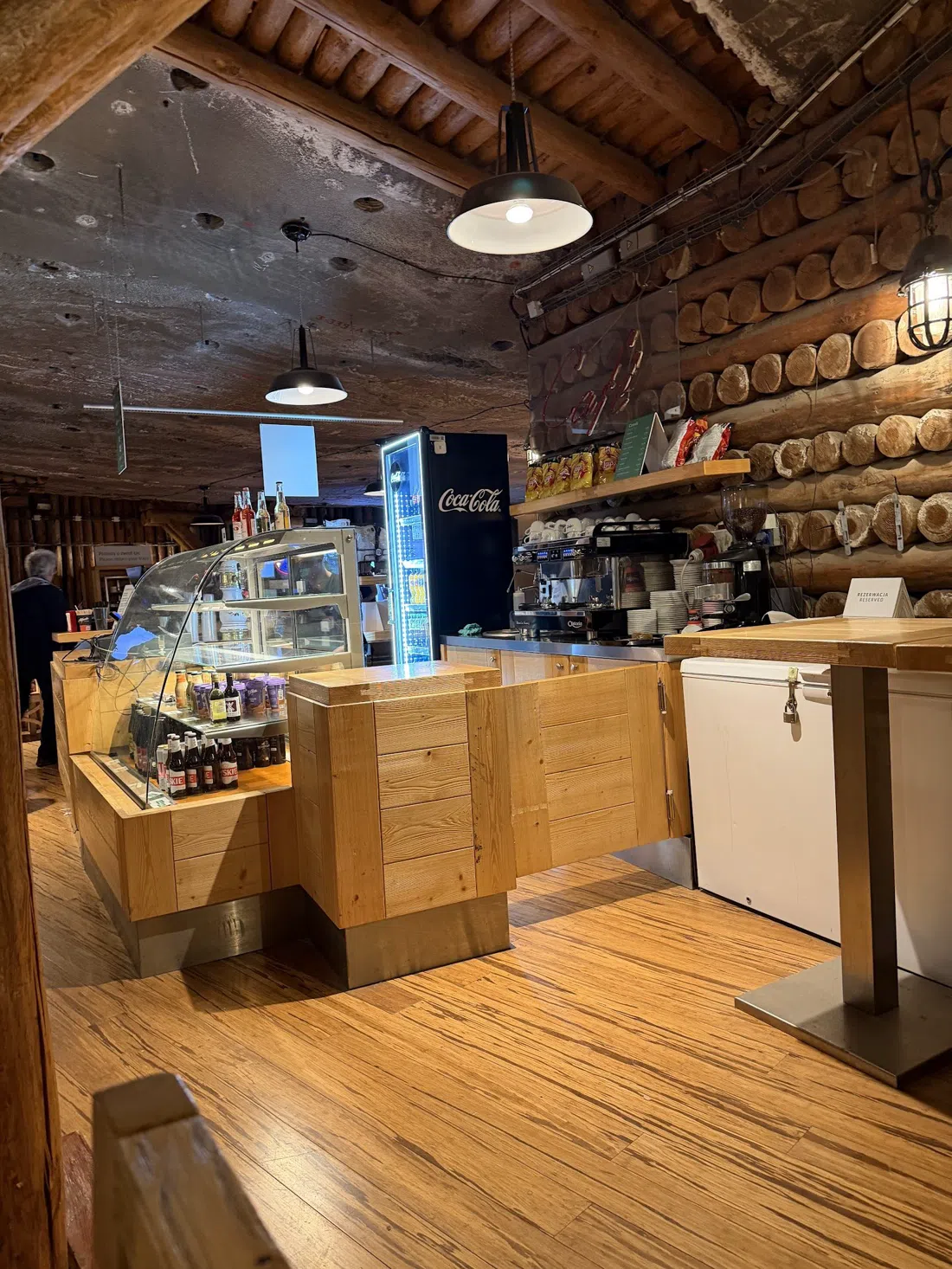
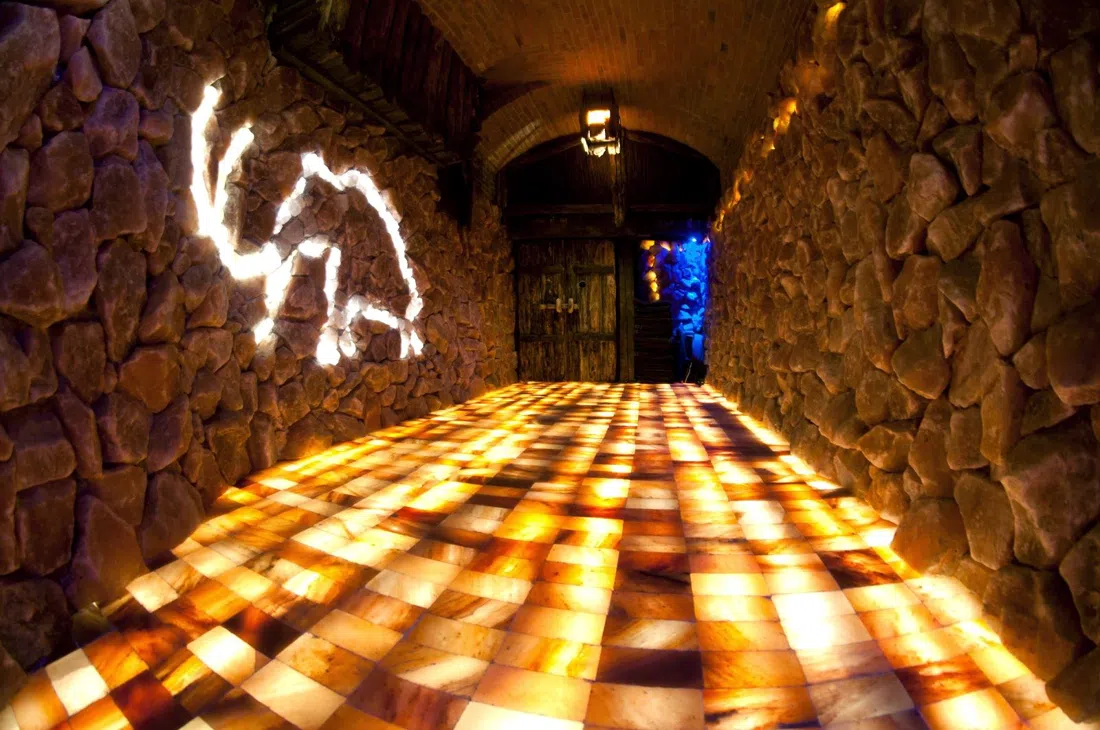
Karczma Górnicza, the mine's own underground restaurant, is the rarest thing on this list: a genuine, functioning restaurant built into the rock, part of the Group Adventure route rather than the standard Tourist Route, and used for receptions and banquets rather than casual walk-in meals. It isn't themed to look like a mine — it is one, with vaulted salt-hewn ceilings and long tables meant for parties, not couples. Set banquet menus are priced on request and it needs pre-booking as part of a group visit; there's no queuing at the door hoping for a table, and no visiting it in isolation from the Group Adventure route it belongs to. For a milestone celebration or a big family group willing to book the fuller mine experience, it's worth building the day around.
For everyone else, Karczma Halit is the practical answer to lunch, and the more useful one for most itineraries: a traditional Polish restaurant within walking distance of the mine entrance, no taxi required, with a dedicated "Feasts for Groups" menu and function space for parties who've just spent three hours underground and want pierogi and a beer without another transfer first. It's the kind of place built for exactly this rhythm — tour groups surfacing at similar times of day — rather than a destination restaurant in its own right, and it's better for that; nobody wants a fussy tasting menu after 380 steps.
Coming back up: salt air, no stairs required
Not every underground appetite needs to stay underground. The Brine Graduation Tower, also in Wieliczka, is an open-air salt-therapy structure about a 20-minute walk from the Daniłowicz Shaft — no booking needed, no group size limit worth worrying about, just a small fee at an on-site ticket machine. Graduation towers work by trickling saline brine over stacked blackthorn branches, and the air around them carries enough salt to be genuinely therapeutic for breathing, which is the same principle the mine itself is built on at a much larger scale (parts of Wieliczka have operated a subterranean health resort for respiratory conditions since the 1960s, a use that postdates the commercial mining by decades and outlasted it). It's the gentle, above-ground coda for anyone who's had their fill of stairs and salt-lit corridors and wants to end the day breathing rather than descending.
Back in central Kraków, Tarita Salt Spa & Wellness offers the same idea without the trip out to Wieliczka at all — small-group and couples halotherapy sessions, bookable online, at roughly €€ per treatment. It's not a substitute for the mine (nothing replicates walking past a lake nine hundred metres down), but it's a fair alternative for a traveller who wants the salt-air benefit without committing to a half-day excursion, or a good pairing the evening after the mine for anyone whose legs have had enough.
Two more underground worlds, if the mine isn't enough
Wieliczka's fame sometimes obscures the fact that it isn't the only thing worth going underground for near Kraków. Bochnia Salt Mine, another 40 minutes further out from the city, is Wieliczka's quieter UNESCO sibling and offers a genuinely different experience rather than a repeat of it — an underground boat ride and a slide feature that make it a stronger pick for families with children who'd rather not do another hour and a half of walking and standing in chapels. It takes standard groups up to 30, private group tours from Kraków are widely available, and pricing runs 110 PLN for an adult or around 290 PLN for a family ticket covering two adults and two children. Bochnia has been mined for even longer than Wieliczka — extraction here dates to the 1240s, making it one of the oldest continuously worked salt deposits in Europe — but it receives a fraction of the visitors, which for some travellers is the whole appeal.
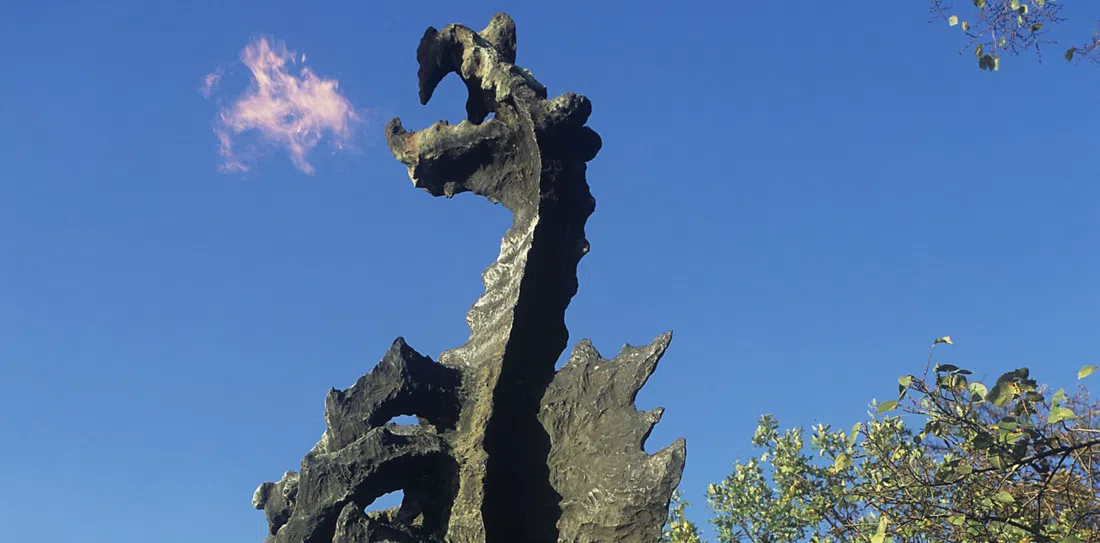
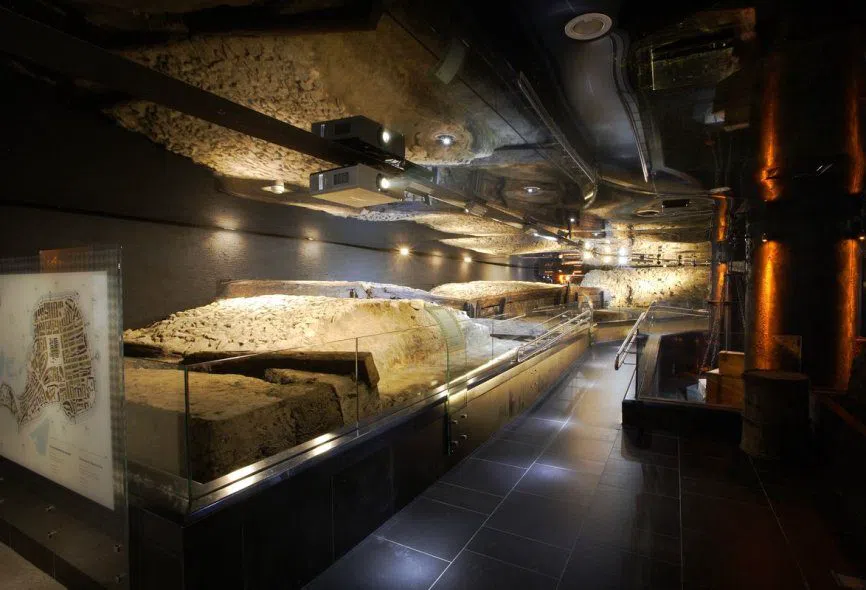
Back in the city centre, the Rynek Underground Museum sits beneath the Main Market Square itself and has nothing to do with salt — it's an archaeological site, the excavated medieval trade routes and foundations under the square, presented as a museum rather than a working mine. Adult entry is 36 zł, group guided tours can be booked at 145 zł, and there's free entry on Tuesdays through a limited timed-ticket allocation, worth chasing if your schedule is flexible and your budget isn't. It pairs naturally with a Wieliczka day as a second, completely different underground stop, ideally on a separate day given how much walking the mine itself demands. For travellers who want one more brief detour into the theme without another half-day commitment, the Wawel Dragon's Den (Smocza Jama), the cave beneath Wawel Hill, is worth fifteen minutes: a high-throughput single-file route with a ticket machine on site, 7 PLN for an adult, open April through November. It's tied to Kraków's founding dragon legend rather than any real mining history, and it's a note, not a rival to the salt mine — nobody should mistake a quarter-hour cave walk for the main event.
The practical bit
Getting there: bus 304 from central Kraków is the cheapest option but the least flexible; a private or shared transfer through KrakowDirect solves the door-to-door problem for smaller groups, and Discover Cracow's shuttle is the better fit for larger parties who want one fixed departure time. Either transfer option takes roughly 30–40 minutes each way depending on traffic.
Cash and cards: ticket machines at the smaller sites (the Brine Graduation Tower, the Dragon's Den) favour small change or card; the mine itself and the restaurants take cards without issue, but it's worth carrying a little cash for the graduation tower's machine specifically.
Timing: allow a full day for Wieliczka, not a morning. The Tourist Route alone runs two to three hours of walking, English slots are limited and sell out days ahead in July and August, and most visitors add lunch and either the graduation tower or the return transfer time on top. If you're combining it with the Rynek Underground Museum or the Dragon's Den, do that on a separate day — three hours of stairs and salt corridors is enough underground for one day for most people.
Budget: figure on roughly 143 PLN for mine entry, 15–40 PLN for transport if going by public bus (more for a private or shared transfer), and 60–120 PLN a head for a sit-down lunch at Karczma Halit. A family adding Bochnia's boat and slide should budget the 290 PLN family ticket separately, since it's a different site and a different day. For a fuller sense of what else the city offers around this excursion, the Krakow guide covers the Old Town, Kazimierz and the rest of what's worth building a longer stay around.