Most visitors arrive having slept badly and read nothing, which is roughly the wrong way round. The memorial stages nothing for you. There is no soundtrack and no reconstruction, only brick blocks in rows, a fixed one-way route, and three kilometres of road between the camp you have seen in photographs and the camp where most of the killing was done. What a day here asks of you is attention, and a plan that does not work against it.
What you actually see
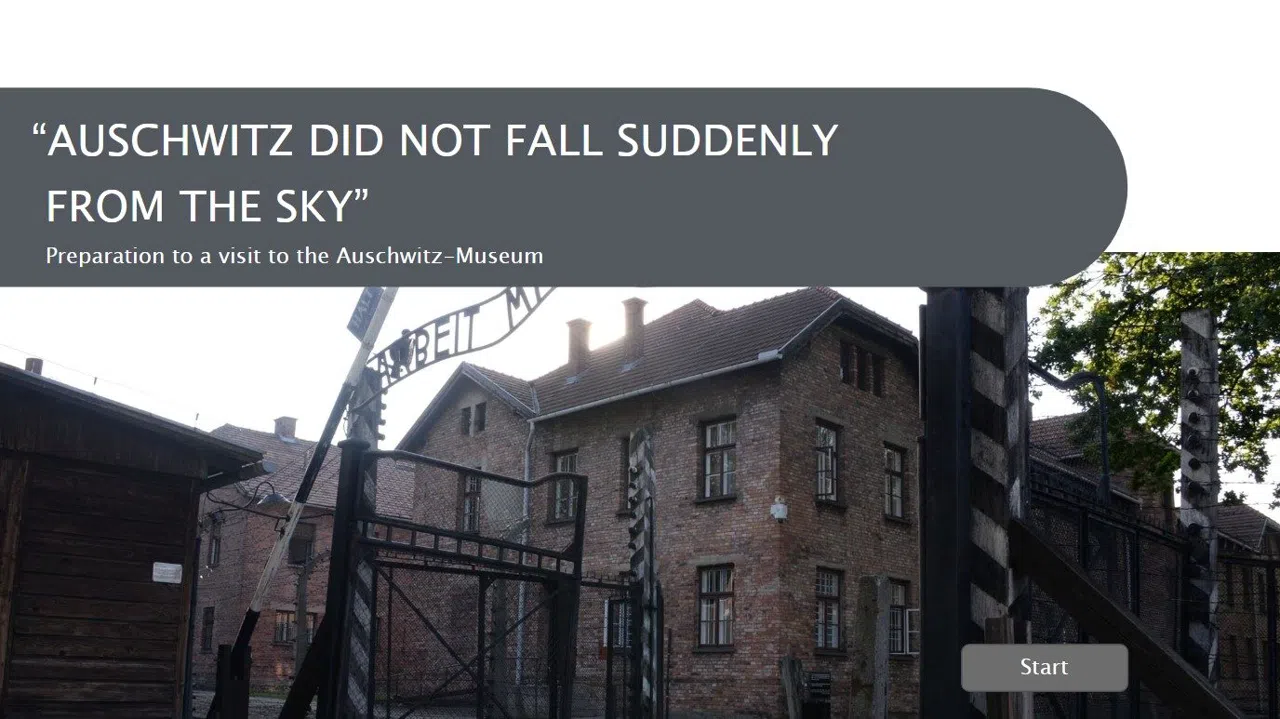
Auschwitz I (the main camp, Oświęcim, about 70 km west of Krakow) is the part everyone recognises: two-storey brick barracks on a grid, laid out as a Polish army post long before 1940 and requisitioned rather than purpose-built, which is why it reads more like a garrison than a camp. The core of the visit is the national exhibitions in Blocks 4, 5 and 11, the Death Wall in the enclosed yard beside Block 11, and the preserved gas chamber and crematorium at the edge of the site. You walk it one way, at the pace of whoever is ahead of you, and the rooms holding the densest exhibits are also the narrowest. The first hour has a shuffle-and-stop rhythm to it, which is easier to accept if you know it is coming.
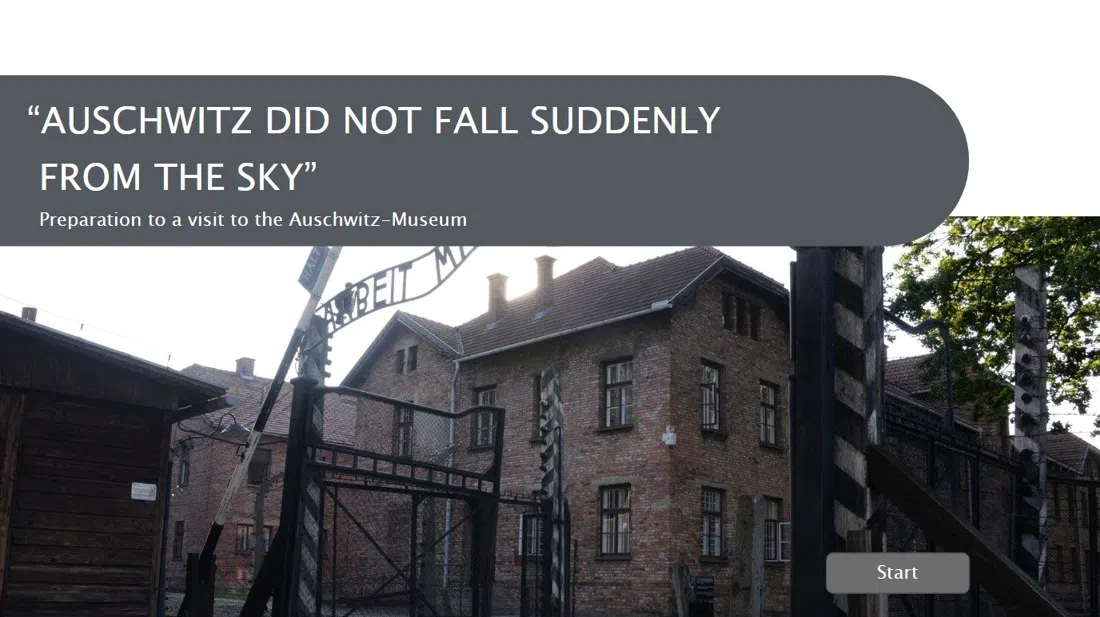
What surprises people is how little of the day is walking. The distances inside the main camp are a few hundred metres end to end; the weight is in the display cases, in the volume of what was taken from people, set out without commentary, and in the documents. A Museum educator earns their fee here by telling you what you are looking at, and, more usefully, when to stop looking and move on.
Three kilometres that change the scale
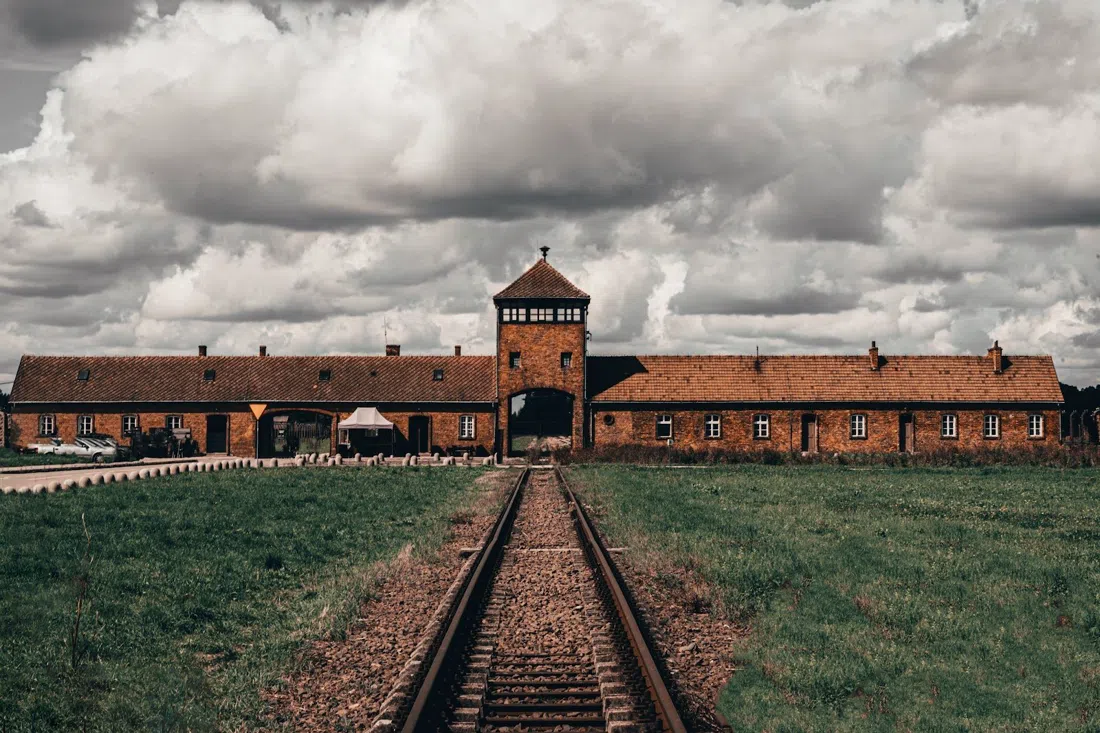
Auschwitz II-Birkenau (three kilometres from the main camp, reached by the Museum shuttle) is a different place in every sense, and the scale is the entire point. Where the main camp is dense and enclosed, Birkenau is a field with a railway running into it, the chimneys of demolished wooden barracks standing in rows to the treeline, and ruins at the far end that take a quarter of an hour to reach on foot. Nothing in the main camp prepares you for how long it takes to walk from the gatehouse to the end of the spur. The length of that walk is what tells you the size of the place.
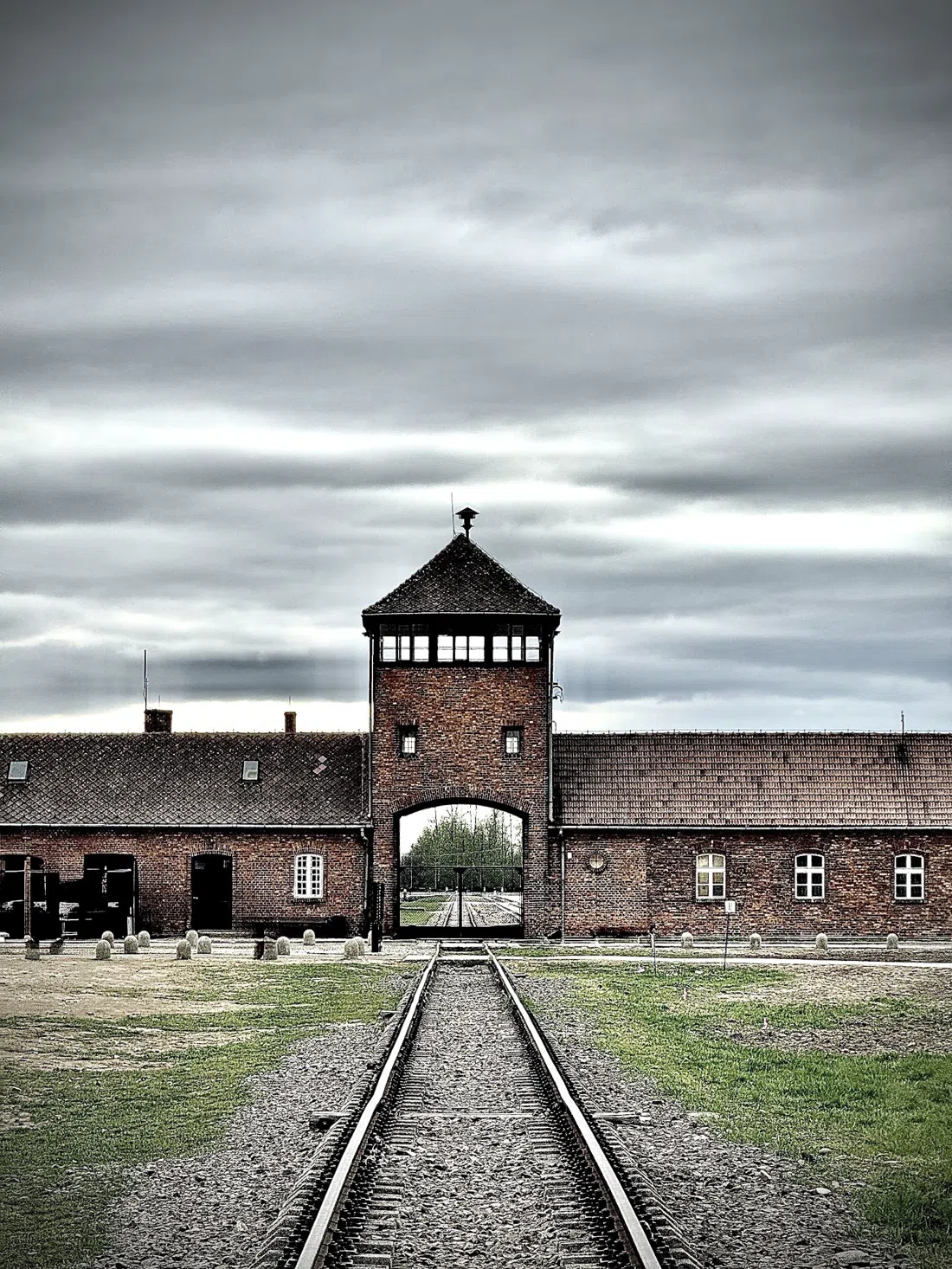
It is also the half that rushed itineraries drop when they are running late. Skipping it leaves the visit done by half. Dress for it too: this is open ground with almost no shelter, so wind and rain arrive undiluted and so does August sun.
How the booking works now
Entry to the grounds is free, but you need a personalised timed entry card, and since 1 March 2026 there are no on-site ticket sales at all. Arriving without a booked card means no entry, however early you set off. Cards are issued through the Museum's own booking site, visit.auschwitz.org. The standard educator-led tour runs about three and a half hours and covers both sites, with the shuttle between them included; it is reported at around 150 PLN in English or 140 PLN in Polish, though the official price list only becomes visible once you are inside the booking system.
Groups have no informal option at all. A group may only enter with a Museum educator booked in advance, educator-led groups are capped, and because the route is one-way there is no slack in the schedule to absorb a party that turns up hoping. Walk-up groups are turned away.
The simpler route from Krakow is a guided day trip with the coach, the educator and the entry card arranged as one booking. Those run seven days a week and start from around 35 USD per person, and slots fill steadily, so a fortnight's notice is sensible if you want a specific date and a specific language. Booking directly with the Museum costs less and asks more of you: your own transport, your own timings, and no margin if the road is slow.
The bag rule that turns people away
Auschwitz Memorial Visitor Services Centre (55 Więźniów Oświęcimia Street, a short walk from the Auschwitz I gate) has been the arrival point since June 2023, and it exists because coach traffic had outgrown the old entrance. Everyone passes through security here, which is where the rule that catches people out applies: bags larger than 35 × 25 × 15 cm cannot come in. The lockers on site cost a few PLN and are, flatly, the difference between entering and not. A day pack bought for the flight will not pass. Allow thirty minutes before your slot for the queue, the lockers and the walk.
The centre also holds a café and a bookshop. The bookshop is better than it needs to be; the café is functional and loud, which is worth knowing when you decide where to sit down afterwards.
The stops most day trips drive past
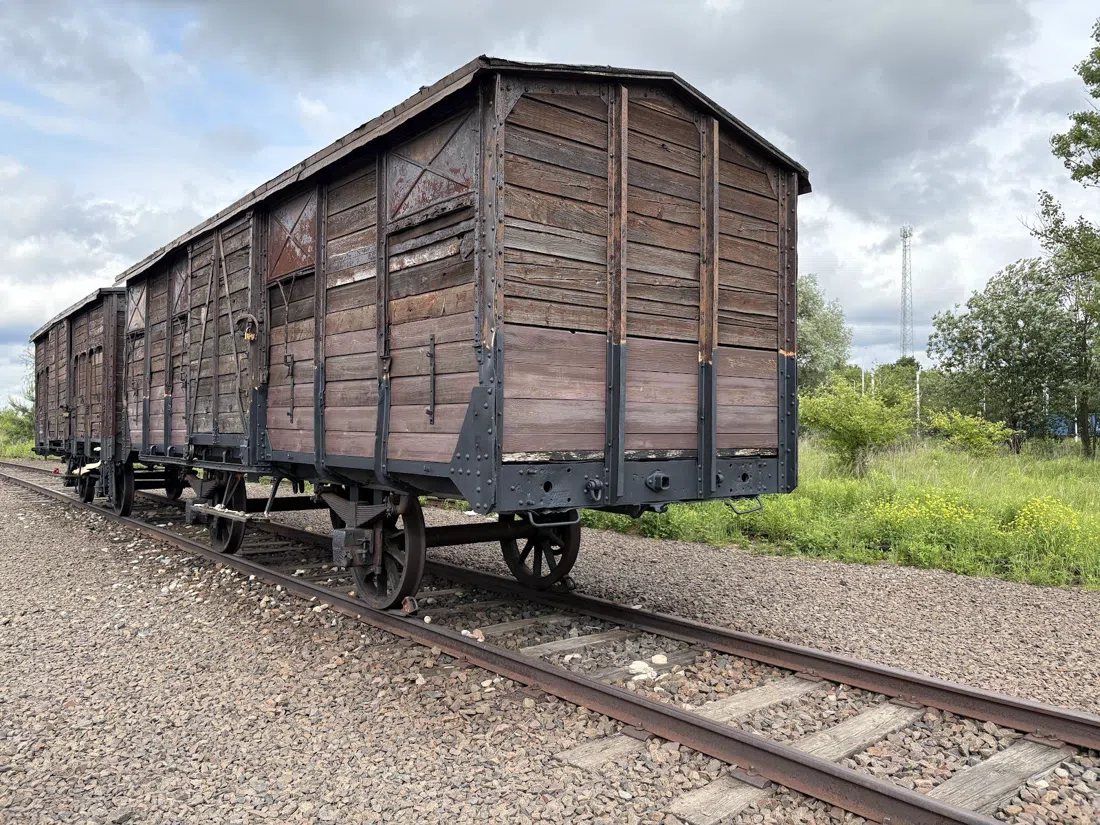
If you have your own car, three short detours change the shape of the day. Judenrampe (the old ramp, on the freight-station ground between the two camps) is an unstaffed roadside site, free and open at any hour. It was opened to visitors in 2005, and it is where transports were actually unloaded until mid-1944: before the spur ran inside Birkenau, this verge was the place. It takes two minutes, and almost every independent visitor drives past it without knowing.
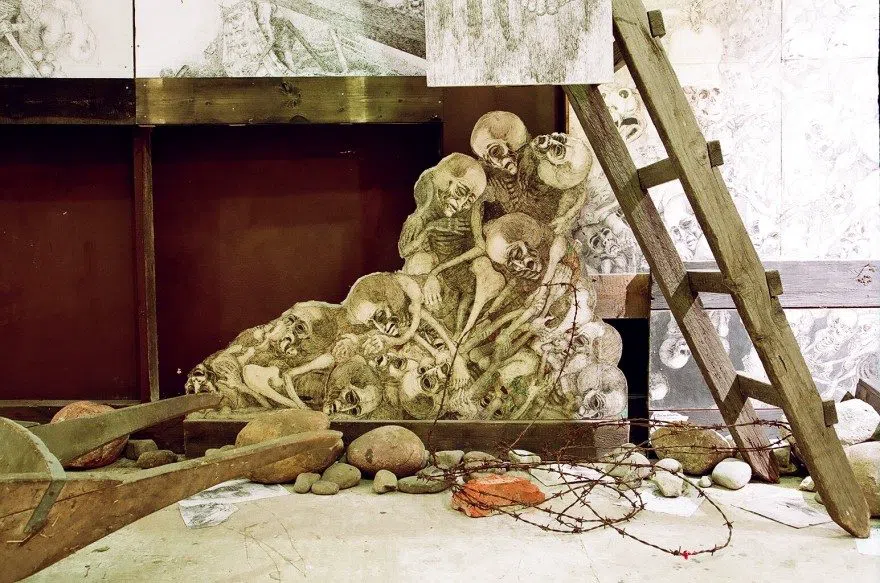
Klisze Pamięci. Labirynty — the Marian Kołodziej exhibition (Harmęże, a few minutes south-west of the camps) is over 250 drawings by prisoner number 432, who was on the first transport, survived, and said nothing about any of it for fifty years before he began to draw. Visits are by prior arrangement only, so phone +48 33 843 07 11 or email [email protected]. No ticket price is published; donations are welcome. Of everything near the memorial, this is the work that tends to stay with people longest, and hardly anyone on a day trip knows it is there.
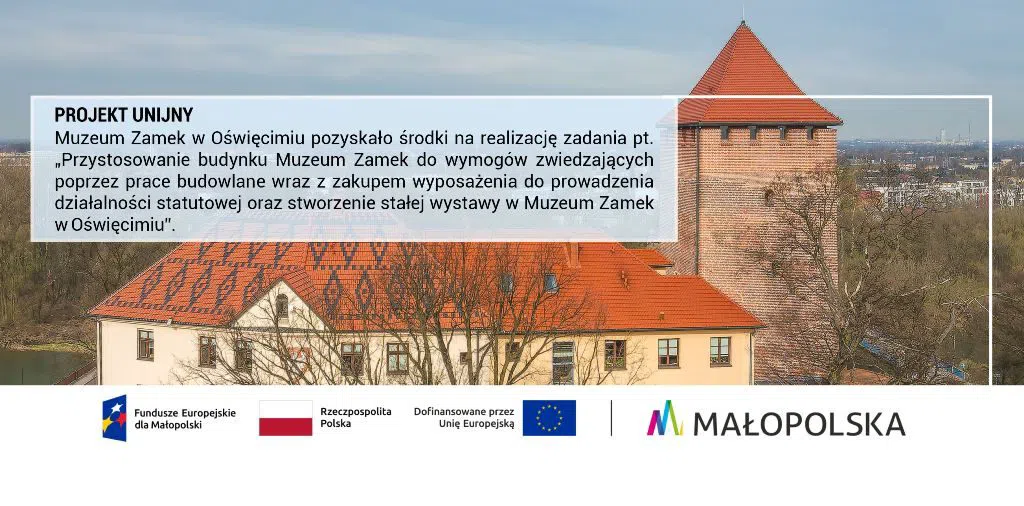
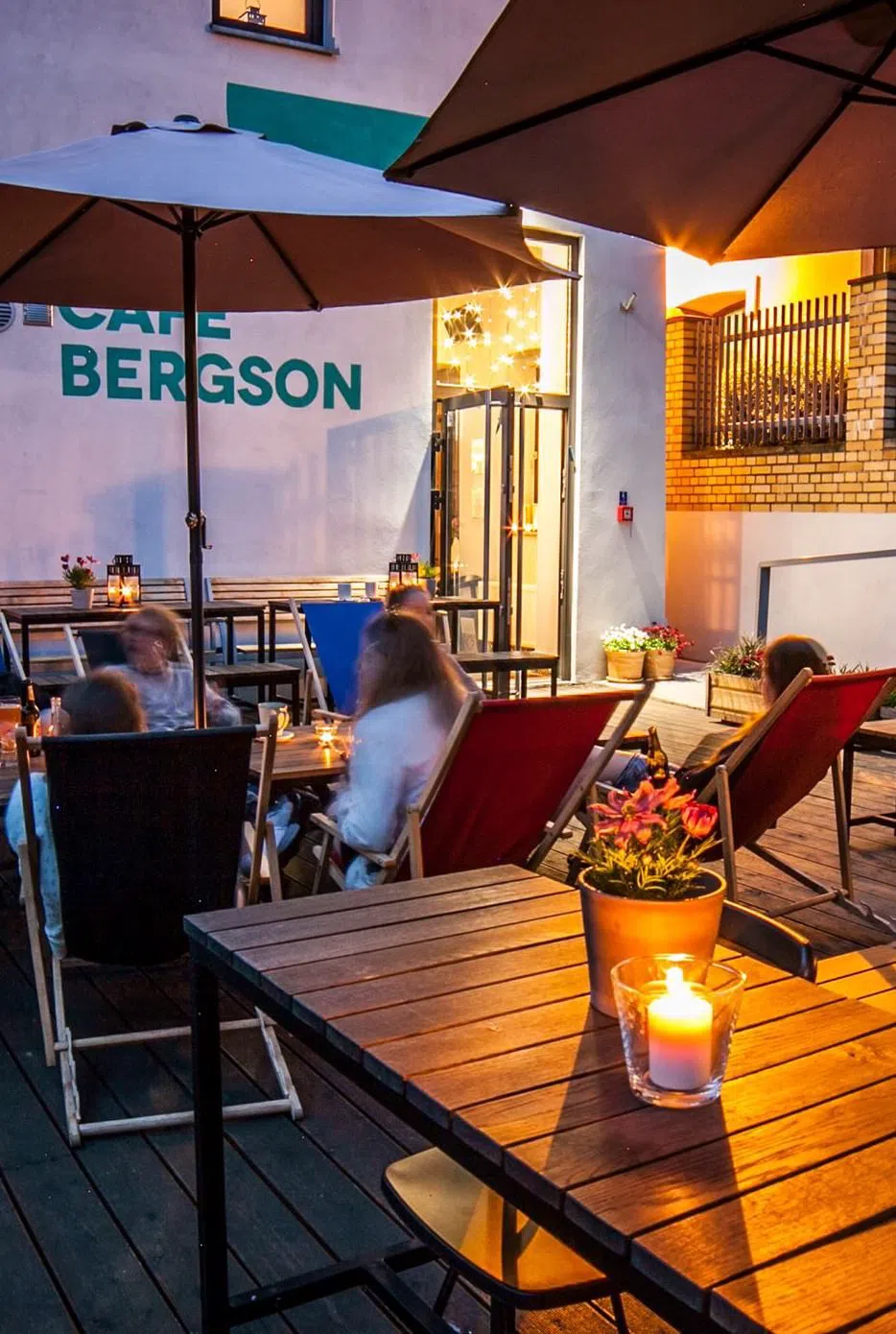
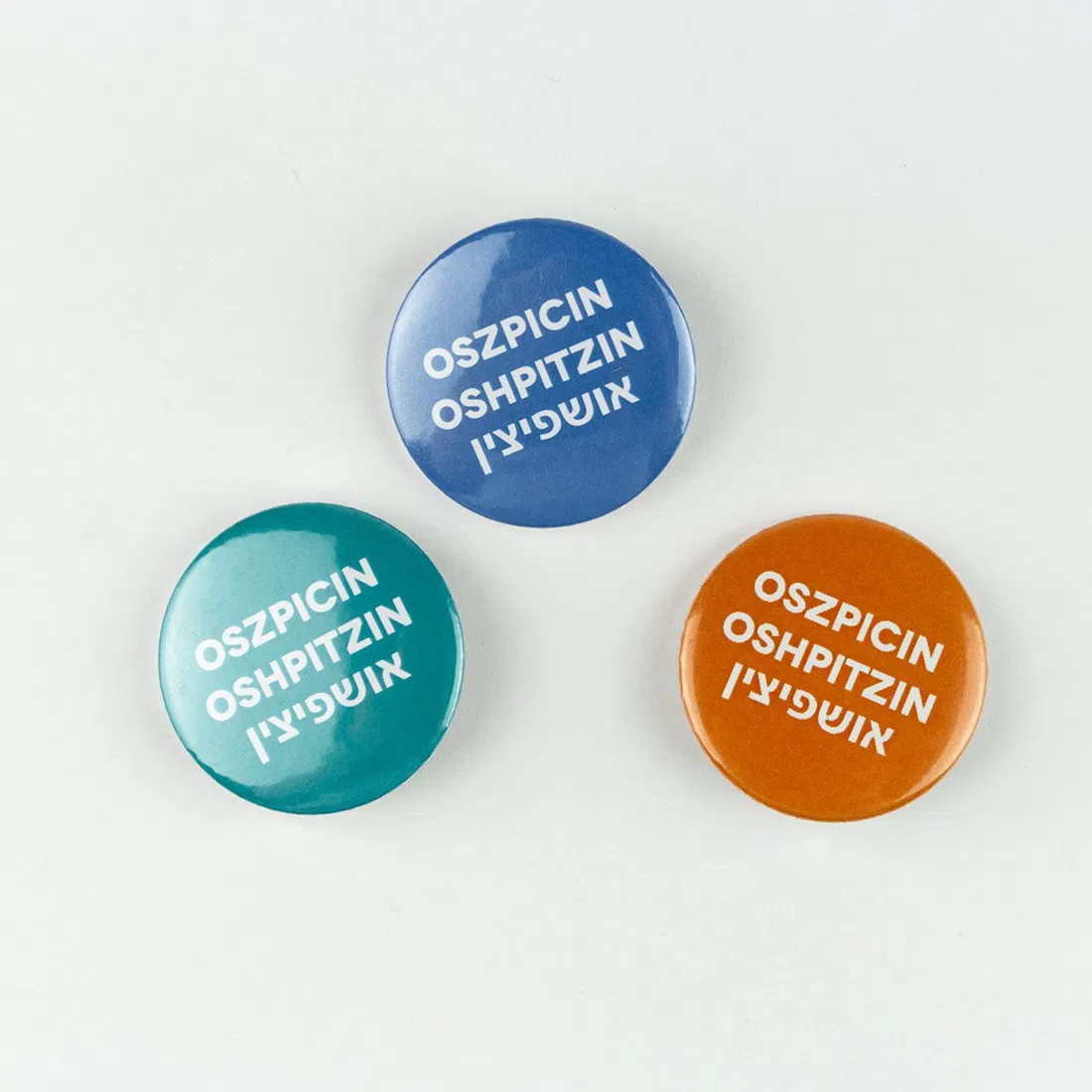
In the old town, three stops sit within a few hundred metres of each other and make a natural half-hour walk. Start at the Oświęcim Castle Museum (old town, above the river). The tower (8 PLN adult, 6 PLN reduced, up a stair narrow enough to admit only a few people at a time) is the one genuine viewpoint in town, and the collection deliberately shows the town's life before 1939. Check the day first: it closes Saturdays from October to May and Mondays from June to September. Walk down to the Oshpitzin Jewish Museum and Oświęcim Synagogue (old town, five minutes from the castle), the only Jewish place of worship left near the camp and the one place that tells you this was a Jewish town for four centuries before 1940. Its free multilingual app lets a larger party self-guide without a second educator. It closes on Jewish holidays, so confirm before you build a day around it; admission is roughly 25-35 PLN. Then finish next door at Café Bergson (attached to the Jewish museum, old town), open daily 10am-6pm, around 15-35 PLN for coffee and cake, with kosher meals and snacks available. It is the sanest place in town to sit down afterwards: quiet, unhurried, attached to the museum rather than to the memorial. It is also small, and a coach party would swamp it, though group meals can be arranged in advance at [email protected].
Staying the night instead of being bussed back
The standard day trip returns you to Krakow within an hour of leaving Birkenau, which suits some people and unsettles others. Staying over is the alternative, and there are three honest options. The Centre for Dialogue and Prayer (1.5 km from the Auschwitz I entrance, 15-20 minutes on foot) charges roughly 150-300 PLN a night with meals extra, and has a conference room for 160 and an oratory for 250. It is used to hosting institutional study visits, and to people who want somewhere quiet to be afterwards.
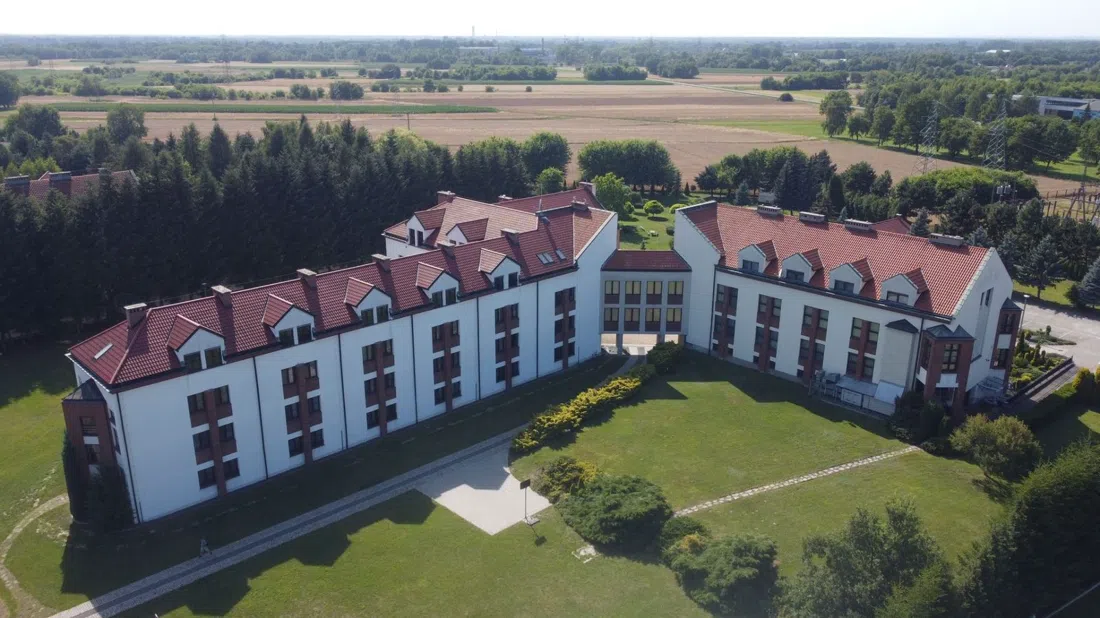
The International Youth Meeting Centre (MDSM/IJBS, Oświęcim) was founded in 1986 by Action Reconciliation Service for Peace together with the city, and preparing and hosting study groups is its entire reason for existing: it rents minibuses with drivers and runs simultaneous translation. Beds are budget to mid-range, with meals and programme priced separately. It is not a tourist hotel and should not be treated as one.

Hotel Galicja Wellness & SPA (with Trattoria Galicja attached, Oświęcim) is the most comfortable base in town, around €70-90 a night for a double, with two conference rooms and a banquet hall for 100 that take coach parties regularly. It is the practical answer if you want an early memorial slot without a 5am start. The spa sits oddly close to the subject, which some visitors will want to think about before they book it.
If you would rather keep your base in the city and travel out for the day, the Krakow hotel search covers the districts within walking distance of the coach pick-up points.
The Krakow half of the same story
The memorial answers almost nothing about the years leading up to it, which is why the city's own sites work best on the day before or the day after rather than crammed alongside. Oskar Schindler's Enamel Factory (Podgórze, across the river from Kazimierz) tells the occupation, ghetto and deportation story from inside the city: 32 PLN adult, 64 PLN family, 28 PLN each for groups of 10-30, with a guide around 175 PLN and about four days' notice needed for a guided booking. Mondays are free with a limited allocation of tickets and short hours, 10am-2pm, and it closes the first Tuesday of each month.
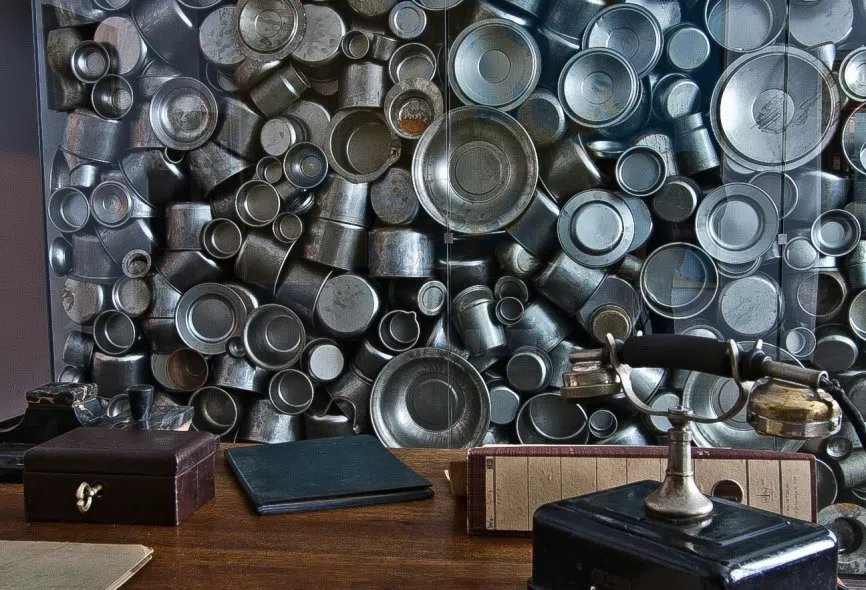
Galicia Jewish Museum (Dajwór Street, Kazimierz) is open daily 10am-6pm, 35 PLN adult, 25 PLN student or senior, 55 PLN family. Its standing photographic exhibition, Traces of Memory, records what was left behind across the region: ruined synagogues, overgrown cemeteries, buildings with no one left to claim them. It poses the question the memorial leaves you with rather than answering it, and its single open hall absorbs a full coach party better than most sites in the district.
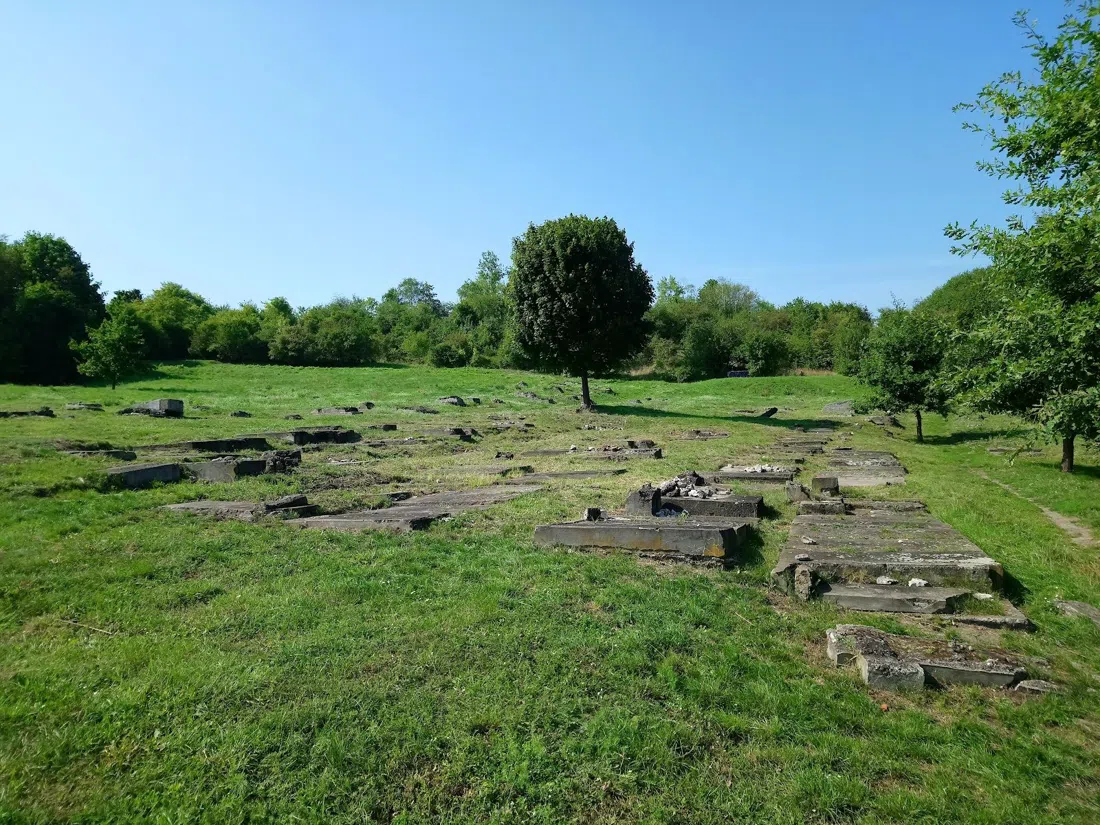
KL Plaszow Museum — Memorial Site (Płaszów, within the tram network) is the camp from Schindler's List, and the open-air exhibition is permanently open, unenclosed and free, so groups can walk it without booking. The indoor Grey House exhibition is still under construction, with the wider project due to finish in late 2027, and the outdoor boards are unlit, so go before dusk. For how these fit around the rest of a city stay, see the Krakow guide.
Best time to go
Take the earliest slot you can get. The visitor centre was built for coach traffic, and coach traffic concentrates through the middle of the morning; an early card means you are inside Blocks 4 and 5 before the corridors fill, and at Birkenau while it is still nearly empty. A late-afternoon slot is the other quiet window, with the caveat that you will be walking the Birkenau spur as the light goes.
Midweek beats the weekend for the same reason. Across the year, spring and autumn are the kindest, because the site is largely outdoors and the walking at Birkenau is exposed. Summer brings both heat and the heaviest visitor numbers. Winter is cold in a way that is hard to argue with at Birkenau, and the site is quieter then; people who have gone in January describe it as the visit that made the most sense to them, though it asks more of you physically. Guided day trips run seven days a week year-round, so the date is a matter of choosing, not of availability.
Whether it is worth your day
Yes, with conditions. It is worth it if you are prepared to give it the whole day rather than half of one, to see Birkenau as well as the main camp, and to accept that you will be part of a moving group rather than alone with it. It is not worth it as the second stop on a combined itinerary that also promises you something cheerful before dinner. The site does not survive that treatment, and neither does the traveller.
It suits solo visitors and couples straightforwardly. Groups need to plan properly: the educator must be booked in advance, the route is fixed, and there is no improvising at the gate. Anyone with mobility limits should know that the main camp is compact but Birkenau is not, and that the Birkenau ground is uneven. Families with young children should think hard; the exhibitions are unsparing by design.
Practical notes
Getting there. Roughly an hour and a half each way by road from Krakow. Guided trips handle transport and the entry card together and run seven days a week; driving yourself means booking the card separately and building in the thirty minutes at the visitor centre.
Money. Prices are in złoty. Cards work at the museums and the café, but keep small notes for the lockers, the castle tower at 8 PLN and the donation box at Harmęże.
Timing. The educator-led tour covering both sites runs about three and a half hours; a full day trip from the city is closer to seven, door to door. Add an hour if you want the Judenrampe and the old town.
Budget. The entry card itself is free; the educator tour is around 150 PLN in English. A guided trip with transport starts from about 35 USD per person. Add 25-35 PLN for Oshpitzin, 8 PLN for the tower, 15-35 PLN at Café Bergson, and 150-300 PLN if you stay the night rather than ride back.
Food. Eat before you go. The day is longer than it looks on paper, and nobody who has just walked the Birkenau spur wants to queue for a sandwich.